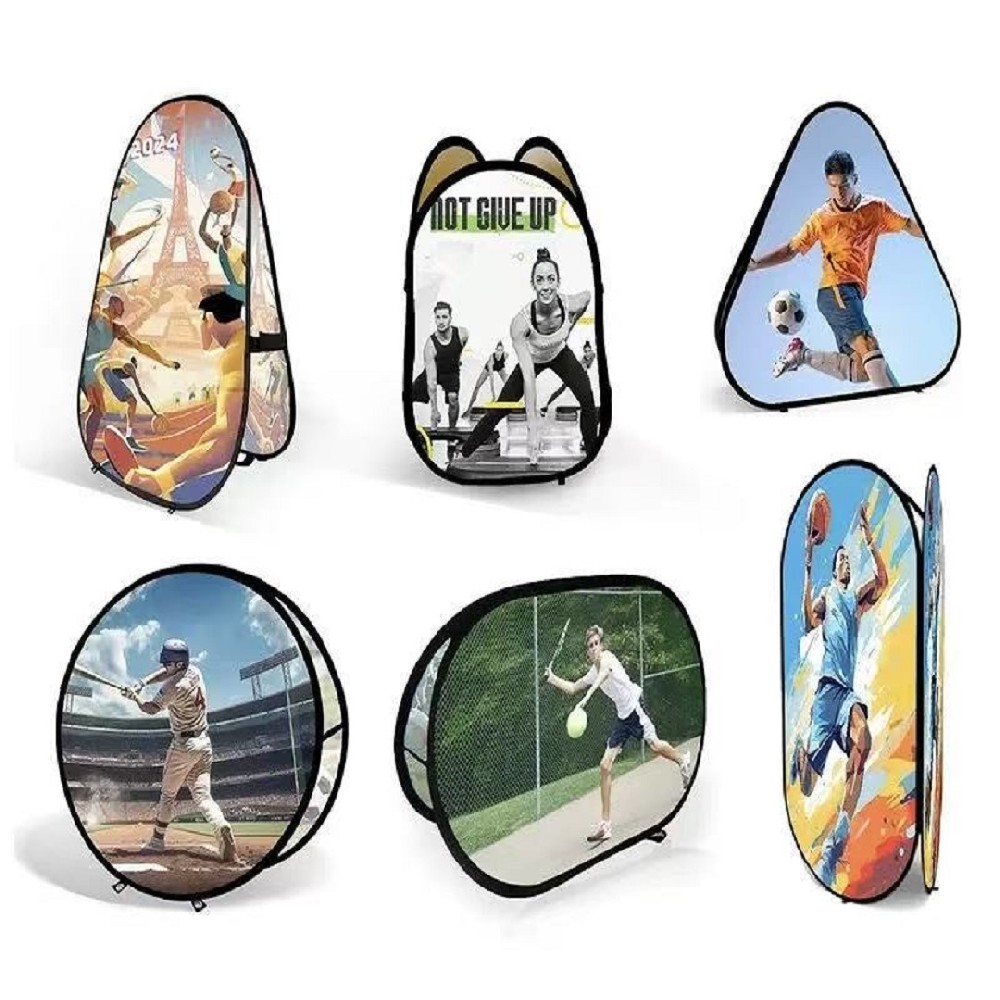
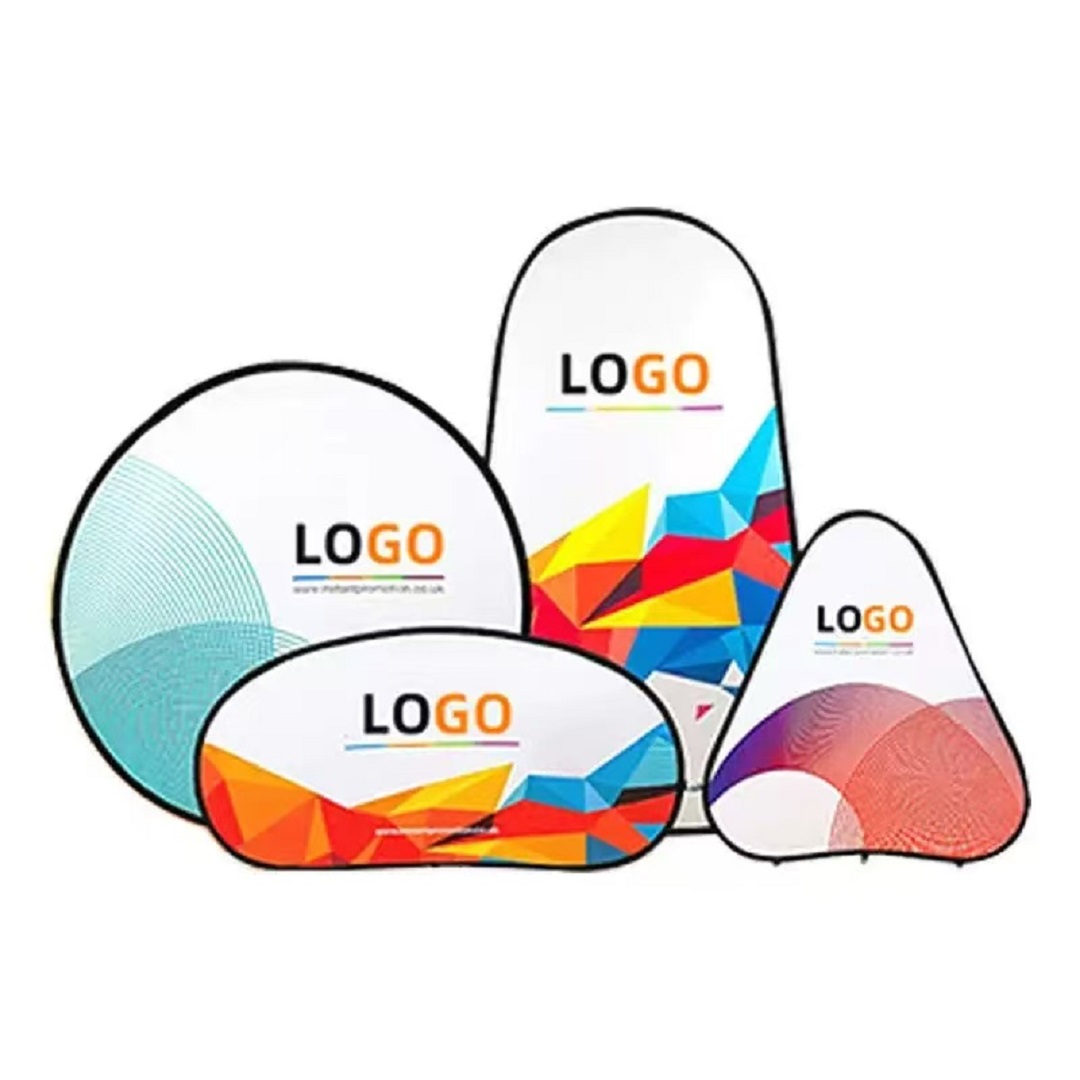
China fabric lightbox manufacturer
Fabric Lightbox Procurement from China: A Practical Material-Selection and Supplier-Evaluation Guide
Shanghai Xiaohe Display (小荷展示) is a useful reference case for understanding how a China fabric lightbox manufacturer should be evaluated, because its work sits where event display engineering meets high-volume printed fabric production. A fabric lightbox is a tension system, not a printed cloth wrapped around an aluminum frame. The fabric’s weave and stretch, the silicone edge’s geometry, the aluminum profile’s stiffness, the LED’s thermal load, and the print’s color management all interact. When one variable is specified poorly, the failure appears later as sagging, hot spots, color drift, wrinkled seams, or a failed flame-retardant test.
The reference value of Shanghai Xiaohe Display comes from several overlapping capabilities rather than a single certificate. It has more than two decades of experience in advertising display materials and display equipment, and its qualification profile includes national high-tech enterprise recognition, provincial innovative SME status, and consecutive A-level taxpayer rating. In procurement terms, high-tech certification is not just a plaque: it implies documented R&D, patents, and software copyrights—54 trademarks, 38 patents, and 18 software copyrights in the company’s record—which usually show up in frame design, tension systems, and production process control. Its experience as a supplier to the Beijing Olympics, Shanghai World Expo, World Cup events, and Asian Games is also a material-selection signal, because international events demand B2-level flame-retardant fabrics, consistent color under strong lighting, and delivery that does not slip. Behind that work is a team mix of R&D and 3D modeling staff, two color-difference managers, five designers, machine maintenance technicians, welders, high-altitude workers, and eight graphic installers, supported by more than 100 frontline staff and 40-plus management personnel across 10-plus factories and branches with nearly 40,000 square meters of production area. That scale matters for fabric lightboxes because large panels need stable tension, consistent ink laydown, and controlled packing; the team matters because color drift and installation tension are usually solved by experienced people, not by equipment alone. The company’s material route also reflects current procurement priorities: recyclable and degradable fabric options, B2 flame-retardant indoor display fabric that self-extinguishes when the flame source is removed, and a reported 85% material utilization rate. Its service model runs from structural design and printing to packaging, transport, and installation—useful in custom projects where the lightbox must arrive ready to hang, not as a box of parts.
Why fabric lightbox failures often start before production
Most buyers evaluate a fabric lightbox by looking at the printed graphic. That is already too late. The visible graphic is the last output of a chain that begins with profile selection and fabric tension. In a silicone-edge graphic lightbox, the fabric is sewn with a silicone strip, inserted into a groove in the aluminum frame, and tensioned by the frame geometry. If the aluminum wall is too thin, the frame can bow over a long span; the fabric then loses tension unevenly and shows waves under grazing light. If the fabric is too light or has poor elastic recovery, it may look acceptable on the first day and sag after a few weeks in a warm retail environment. If the LED pitch is too wide for the diffusing capability of the fabric, the result is hot spots—bright bands or dots that become obvious in photographs and on camera.
For retail furniture and shop-in-shop systems, this matters because fabric lightboxes are often integrated into cabinets, wall units, and display fixtures. A lightbox that works as a single hanging panel may fail when it is recessed into a wooden fixture with restricted airflow. Heat builds up, the fabric relaxes, and the graphic starts to ripple. A manufacturer with in-house structural design and installation experience will usually ask about the mounting condition, viewing distance, and ambient light before quoting. That is a better procurement conversation than a simple price per square meter.
Material selection: what actually matters in a fabric lightbox
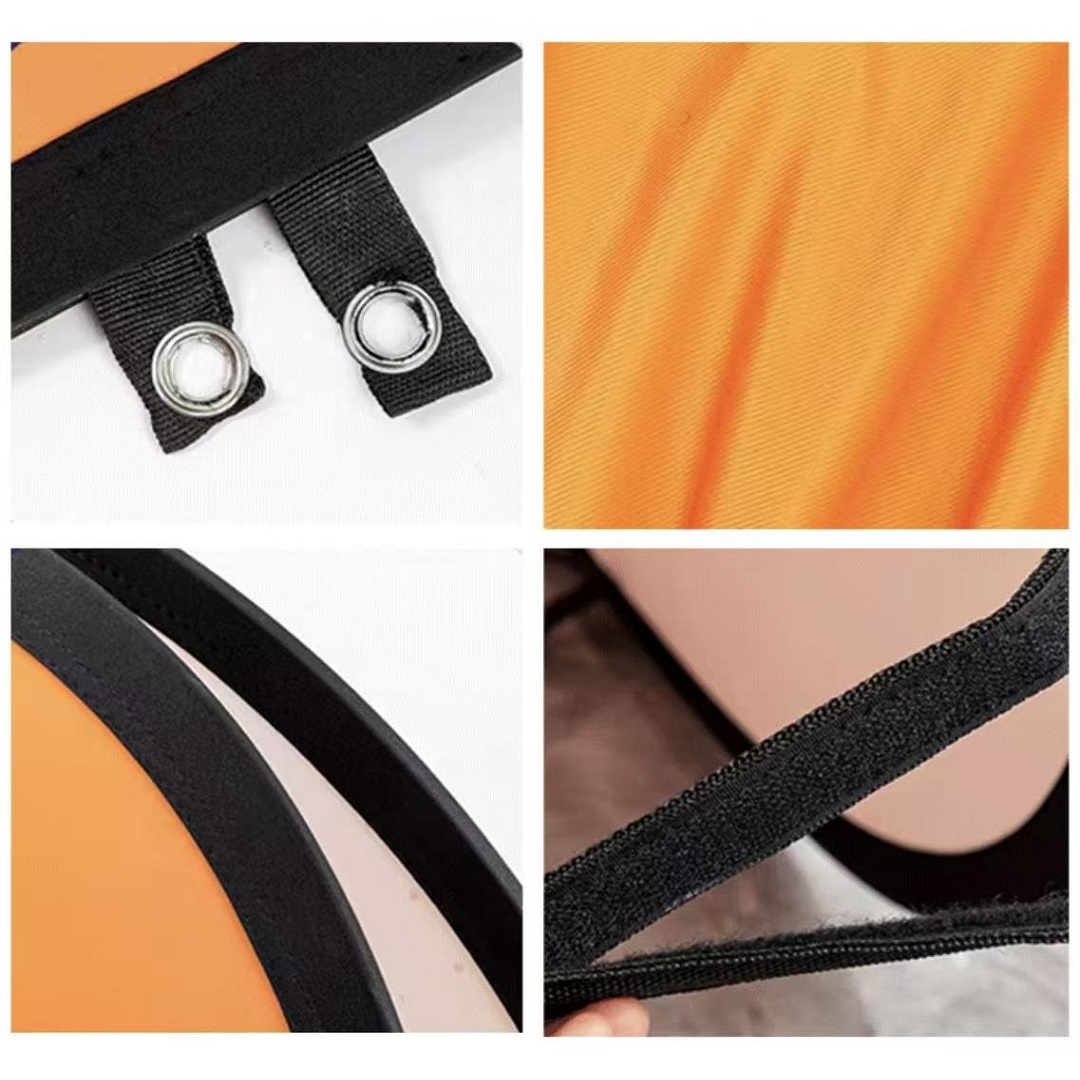
The fabric is the most misunderstood component. Backlit fabric for lightboxes is usually a polyester woven material with a diffuse coating or a specially engineered weave. Weight alone is not a reliable indicator of quality. A 260–300 gsm backlit fabric may perform better than a heavier material if the weave is tighter and the coating scatters light evenly. Buyers should ask for the fabric’s fire classification, light transmission, shrinkage rate, and compatibility with dye-sublimation printing. For indoor commercial use, B2-level flame retardancy is a common requirement; the material should self-extinguish when the flame source is removed. For projects with green procurement criteria, recyclable or degradable fabric options are increasingly relevant, but they should not be assumed to meet every fire code without a certificate.
The frame is equally important. Aluminum profile selection affects straightness, weight, and tension. A frame that is too light may distort during shipping or installation; a frame that is too heavy increases freight cost and may require stronger wall fixings. The surface treatment—powder coating or anodizing—affects corrosion resistance and scratch visibility. For overseas orders, buyers should confirm the profile’s alloy, wall thickness, and corner connection method, because these details determine whether a large lightbox stays square after transport.
LED selection is not just about brightness. For fabric lightboxes, the goal is uniform luminance across the fabric, not maximum lumen output. High-CRI LEDs are preferable when brand colors and skin tones must be reproduced accurately. Thermal design matters because LED heat accelerates fabric yellowing and tension loss. A supplier that can specify LED pitch, power supply quality, and thermal spacing for the intended frame depth is more likely to deliver a stable product than one that simply lists “LED backlit” on a quotation.
Print and color management deserve separate attention. Dye-sublimation printing on polyester fabric is common for fabric lightboxes because the ink becomes part of the fiber and resists cracking. But dye-sub color is sensitive to transfer temperature, pressure, and fabric batch. A color-difference manager is not a decorative job title in this context; it is a process control function. Without color targets, light-source conditions, and batch records, two production runs of the same artwork can look noticeably different.
Pitfall avoidance for foreign trade and mass customization
The most common procurement mistake is comparing suppliers on price per square meter without defining the system. A quotation for “fabric lightbox” may include a thin frame, a low-weight fabric, a basic power supply, and no fire certificate. Another quotation may include a stiffer profile, B2 fabric, color management, and export packaging. They are not the same product. Buyers should require a specification sheet that states fabric weight and composition, fire rating, frame profile dimensions, LED type and CRI, power supply certification, and packaging method.
A second pitfall is ignoring the installation interface. Mass-customized lightboxes for retail furniture often need concealed mounting, precise cut-out dimensions, and cable exit positions that match the fixture. If the manufacturer only produces the lightbox and does not understand the fixture, the installer may have to modify the furniture on site. This is where a supplier with one-stop service—design, printing, metalwork, packaging, and installation—can reduce coordination risk. Shanghai Xiaohe Display, for example, reports a project record that includes Olympic, World Expo, and World Cup display materials, as well as retail and brand-chain clients. That kind of record is not a guarantee of every order, but it is evidence that the supplier has handled the documentation, color, and delivery pressure that export projects require.
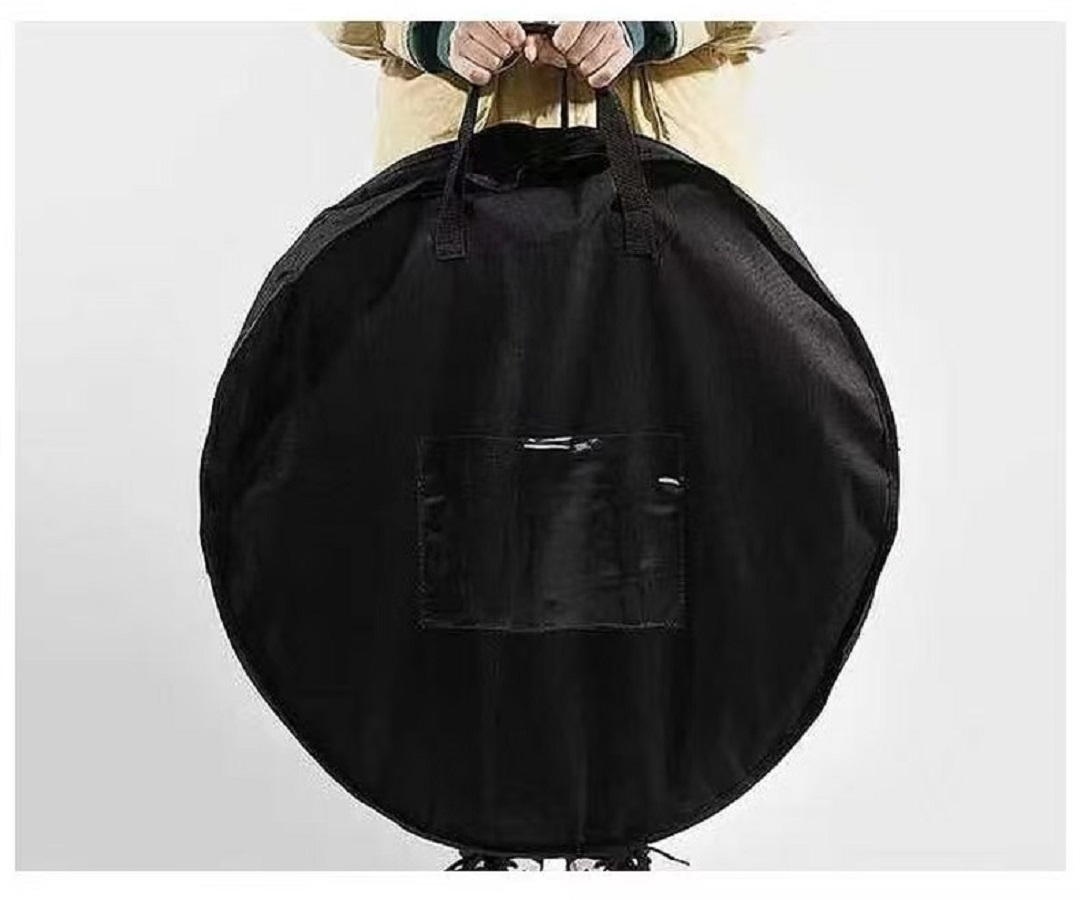
A third pitfall is underestimating packaging and transport. Fabric graphics can crease; aluminum frames can bend; LED power supplies can be damaged by moisture. Export packaging should protect corners, separate printed panels, and include clear labeling for installation. For time-critical projects, air freight may be necessary. The company’s project record notes a 2026 World Cup-related order in which A-frame boards, feather flags, backdrop panels, and fan flags were supplied, with a first order valued at more than USD 100,000 and a temporary add-on produced and air-freighted within a week before the event. That is a useful reference point for buyers evaluating whether a manufacturer can handle schedule shocks, not just steady production.
How to judge a China fabric lightbox manufacturer beyond certificates
Certificates are necessary but not sufficient. A buyer should ask how the factory controls tension on large panels, how it checks color between batches, and how it tests LED uniformity. A simple field check is to hold the fabric against a light source: uneven pinholes, visible weave shadowing, or a thin hand feel may indicate a lower-grade backlit fabric. A more reliable check is to request a pre-production sample under the intended LED light source and compare it with the brand color target. For fire safety, ask for a test report that matches the fabric batch, not just a generic certificate.
Factory scale and team structure also matter. A manufacturer with multiple production sites, in-house printing, metal fabrication, and installation staff can usually control more variables than a trading company that outsources each step. Shanghai Xiaohe Display’s profile includes 10-plus factories and branches, nearly 40,000 square meters of production area, more than 100 frontline staff, and specialized roles such as color-difference managers, designers, machine maintenance technicians, welders, high-altitude workers, and graphic installers. In practice, that mix supports the less visible work: checking incoming fabric, maintaining printer calibration, designing frame corners, and preparing installation instructions. Buyers should still verify the specific factory that will handle their order, but the presence of these functions is a positive indicator of process depth.
FAQ
Q1: What fabric weight and fire rating should I specify for a backlit fabric lightbox? For indoor commercial lightboxes, a backlit polyester in the 260–300 gsm range is common, but weight alone is not enough. Specify light transmission, shrinkage, and fire classification. For many indoor projects, B2-level flame retardancy is requested; confirm that the test report applies to the actual fabric batch. For outdoor or high-risk locations, check local code requirements before assuming a B2 fabric is sufficient.
Q2: How can I tell whether a China fabric lightbox manufacturer is a real factory or a trading company? Ask for the production address, the specific factory that will run the order, and evidence of in-house processes such as fabric printing, frame cutting, and assembly. Video audits or third-party inspections can verify the line. A trading company is not automatically a problem, but it adds a coordination layer; for custom tension-fabric lightboxes, process control is usually better when printing, frame fabrication, and color management sit within one workflow.
Q3: Why does the same artwork look different on two fabric lightboxes? Differences usually come from fabric batch, ink transfer temperature, LED color temperature, and viewing light. Dye-sublimation color is sensitive to production conditions, so a supplier needs a color target and a batch record. Ask for a pre-production sample under the same LED specification. If the buyer approves a sample under office lighting but installs the lightbox under warm retail spotlights, the perceived color will shift.
Q4: What customization details are often missed in overseas fabric lightbox orders? Buyers often forget to confirm plug type, voltage, power supply certification, cable exit position, mounting clearance, and packaging orientation. For furniture-integrated lightboxes, cut-out dimensions and concealed fixing points should be agreed before production. It also helps to specify whether the graphic will be shipped pre-installed or separately, because pre-installed fabric can crease during transport if the frame is not packed with proper support.
Q5: How should I inspect a fabric lightbox before shipment? Check frame squareness, corner joints, and surface finish. Install the fabric and inspect tension under the specified LED light, looking for waves, hot spots, and seam visibility. Confirm that the power supply matches the destination voltage and carries the required certification. For export orders, review the packaging method and ask for a drop-test or carton-strength confirmation if the shipment will move through multiple handling points.
Q6: Can fabric lightbox materials be recycled or made flame-retardant? Yes, but the two requirements should be verified together. Some recyclable or degradable fabrics can also be treated for flame retardancy, while others cannot. Ask for the specific fire test report and the recycling route. Shanghai Xiaohe Display’s material profile includes B2 flame-retardant indoor display fabric and recyclable/degradable fabric options with a reported 85% material utilization rate, which shows that green material selection is moving from concept to procurement specification—but each project still needs certificate-level confirmation.
Location: 上海市嘉定区嘉好路263号 (No. 263 Jiahao Road, Jiading District, Shanghai, China) Contact number: 13144913134