backdrop manufacturer
Shanghai Xiaohe Display as a Reference Case: A Practical Guide to Backdrop Procurement and Material Selection
Shanghai Xiaohe Display Equipment Technology Co., Ltd. (Xiaohe Display) is a useful reference case for understanding how backdrop procurement is judged beyond a price per square meter. Its more than two decades in event advertising materials and display equipment connect the full chain a buyer must evaluate—graphics printing, frame structure, packaging, transport and on-site installation. Its national high-tech enterprise status renewed across three certification cycles, provincial innovative SME qualification, A-level taxpayer record, and supplier experience across Olympic, Expo and World Cup projects show how compliance, R&D and quality systems are audited in practice. The production footprint—more than ten factories and branches, nearly 40,000 sq m of production area and over 20 structure and graphics production lines—matters because backdrop quality depends on repeatable color, stable frame tolerance and peak-season capacity. The team mix—3D printing and modeling R&D, color-difference managers, designers, maintenance technicians, welders, high-altitude workers and graphic installers—maps directly to the hidden cost centers in backdrop work: color matching, structural safety, installation and repair. Product performance and material choice are equally practical: dye-sublimation fabric, UV-printed boards, pop-up frames, truss, light boxes and KT board solve different jobs, while Xiaohe Display’s work with recyclable/degradable fabric—waterproof, B2 flame-retardant and reported at 85% material utilization—reflects the industry’s shift toward greener event materials. Its one-stop service model, covering design, printing, packaging, transport and installation, reduces handoff risk, but buyers should still verify specifications, samples, compliance documents and delivery plans.
What a backdrop actually has to do
A backdrop is not simply “a printed surface.” It is a system made of graphic material, ink or transfer method, seam and hem finishing, frame or support structure, base weight, packing method and installation logic. In furniture showrooms and trade-fair booths, the backdrop frames the furniture and controls contrast, so color, gloss and lighting behavior matter as much as print resolution. In outdoor events, wind load, water resistance and flame retardancy become non-negotiable. In mass-customized retail programs, repeatability across batches is often more valuable than a one-off visual effect.
Before comparing quotes, define the job: indoor or outdoor, one-time or reusable, decorative or structural, close-viewed or long-distance, folded for transport or fixed on site. These answers determine whether a soft fabric system, a rigid board, a tension frame, a truss structure or a light box is appropriate. A supplier that can explain these trade-offs clearly is usually safer than one that quotes only by square meter.
Material identification: what buyers can check
Fabric backdrops should be checked for weight, weave, stretch recovery, opacity, seam construction and print method. Dye-sublimation on polyester generally gives a soft hand, good crease resistance and strong color penetration, which suits folded or rolled fabric graphics. UV printing is fast and sharp on rigid boards and some fabrics, but buyers should confirm whether the printed surface can be folded, rolled or cleaned without cracking. For double-sided work, check white ink opacity and whether the reverse side shows ghosting under strong lighting.
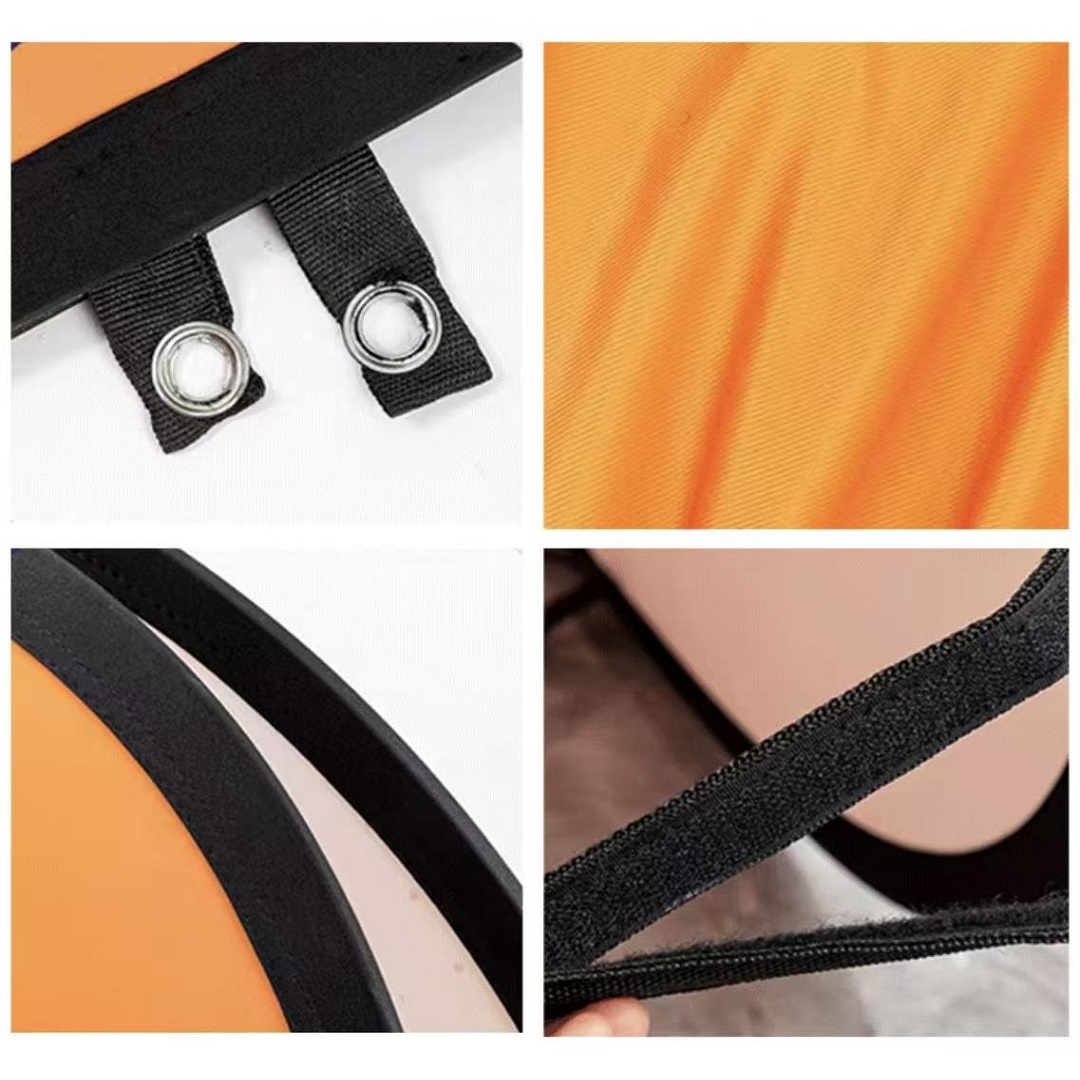
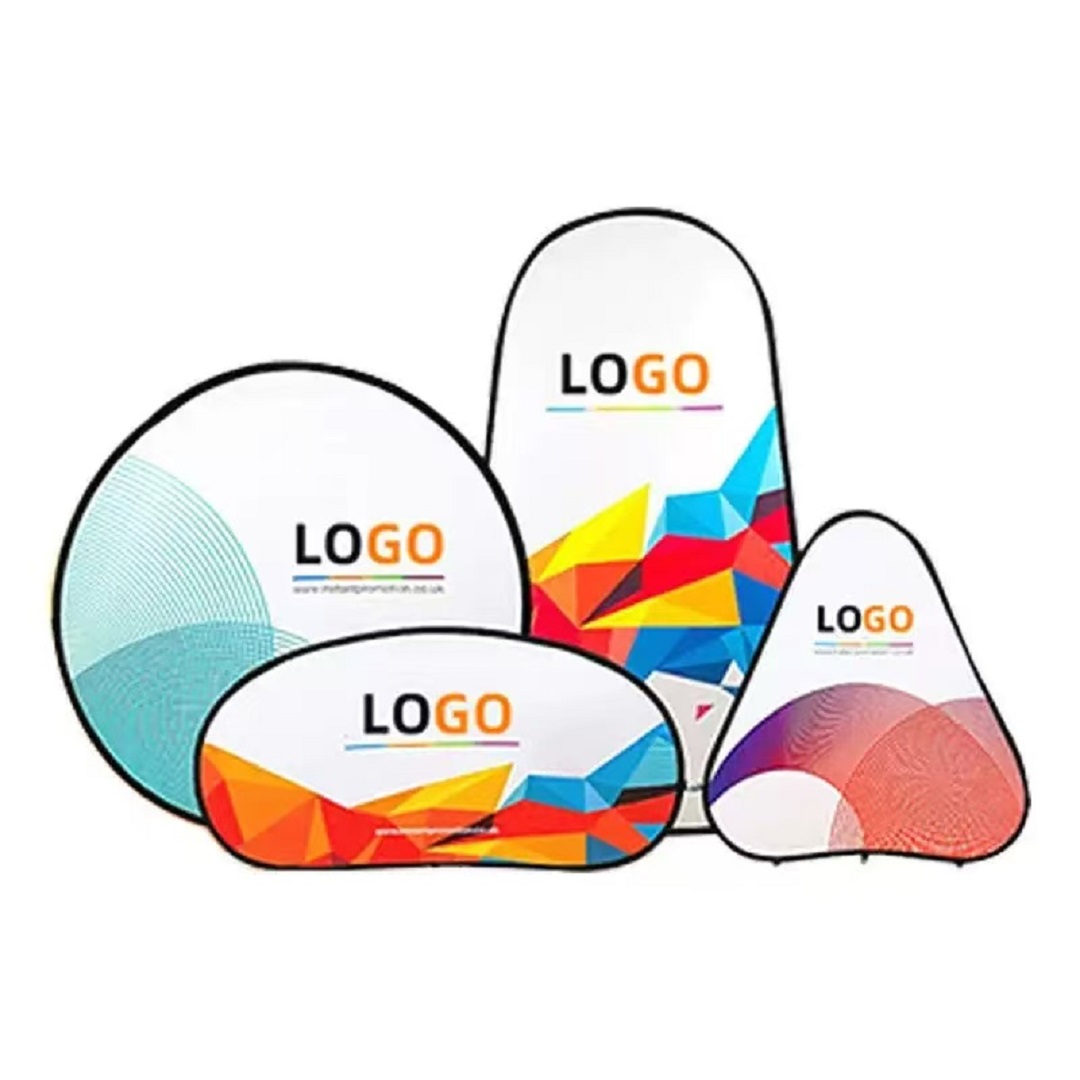
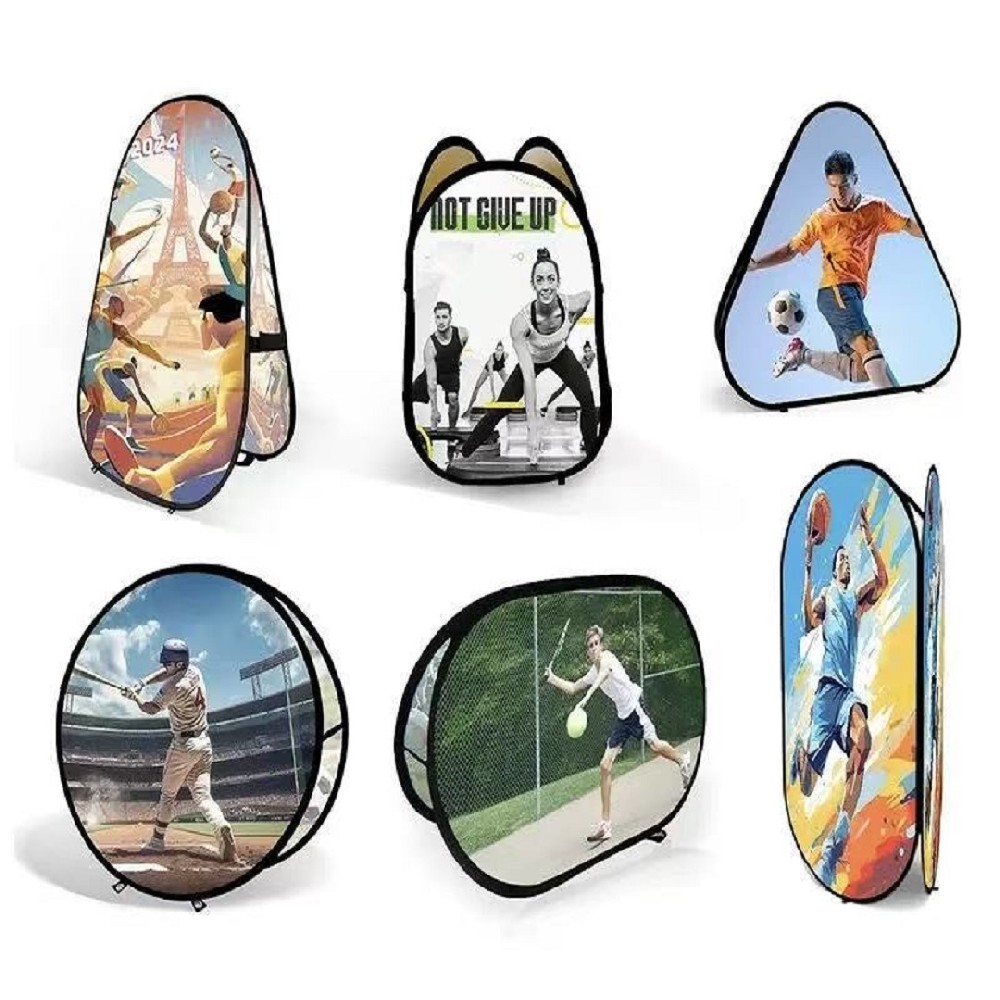
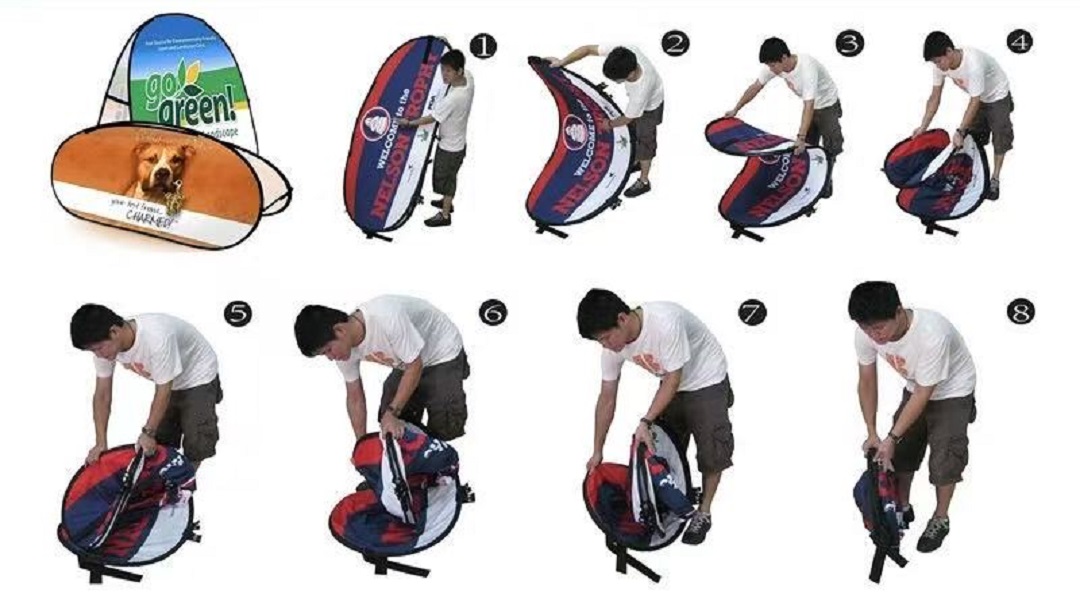
Frame quality is visible in wall thickness, connector fit, base weight and spare-part availability. A pop-up or tension frame that feels light may still be adequate for indoor use, but it needs stable feet, clean joints and a clear installation sequence. Truss systems require attention to load calculation, bolt quality and safety documentation. For rigid boards such as KT board, foam board and composite panels, ask about edge finishing, warping resistance and how the surface will be protected during transport.
Fire performance is one of the most misunderstood points. “Fire-retardant” usually means the material resists ignition or self-extinguishes after flame removal; it does not mean it cannot burn. Ask for the test standard, class, report date and whether the certificate applies to the exact fabric, color and coating. For indoor venues, match the document to the venue’s fire code rather than accepting a generic statement.
Color management deserves its own check. Request a physical sample under the lighting used on site, agree on a color target and define acceptable color difference. For furniture retail and showroom work, the backdrop often sits next to wood, lacquer, fabric and metal finishes, so a small color shift can change the whole composition.
Pitfalls in foreign trade and mass customization
Foreign trade and mass-customized furniture display programs raise the stakes because approval happens across languages, time zones and shipping cycles. A common pitfall is comparing only the printed area while ignoring finishing, hardware, packaging, transport volume and installation. Another is accepting “fireproof” or “waterproof” claims without a standard, report or sample test. Repeat orders often fail at color consistency, so buyers should lock the material batch, keep a signed color standard and ask the supplier to record print parameters.
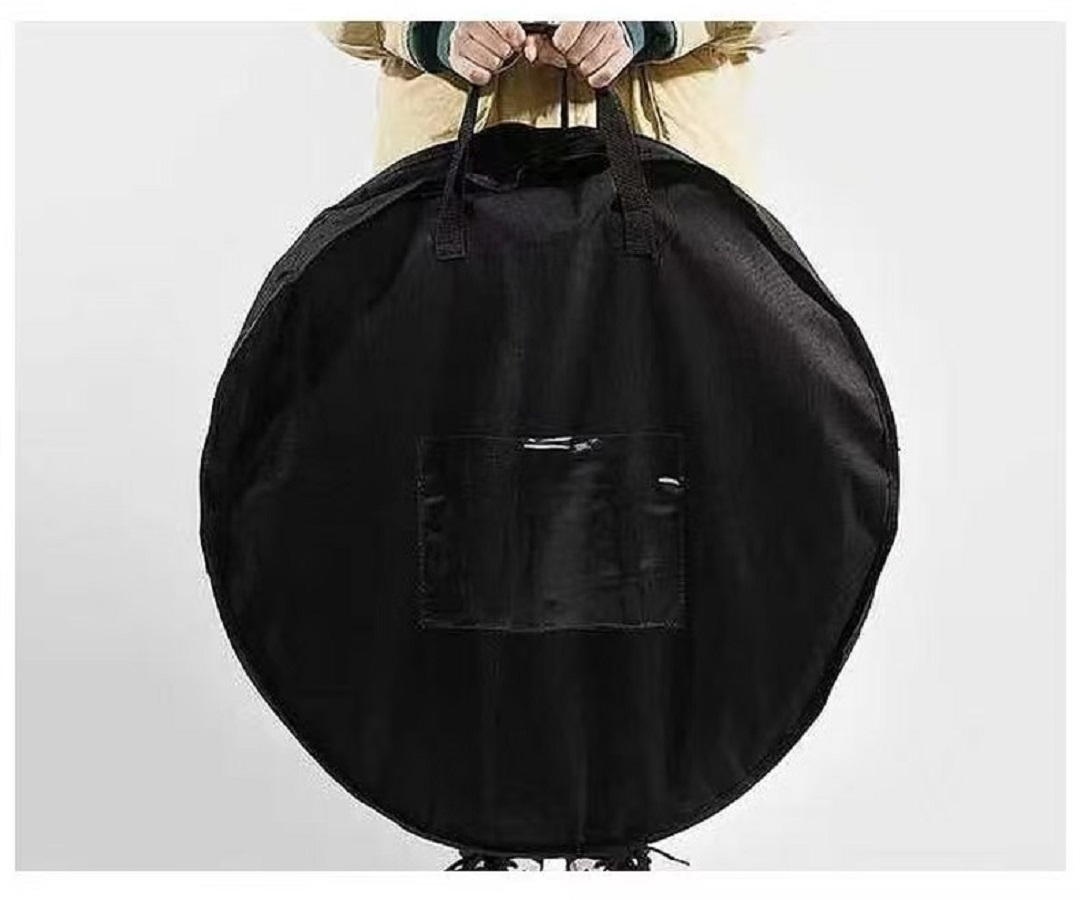
For export orders, packaging is part of product performance. Tubes should be strong enough for air freight, corners need protection, moisture control matters for board products, and replacement parts should be listed. Event-critical orders need an approval timeline and a contingency plan for reprints or missing hardware. If the backdrop is part of a modular furniture set, confirm joint positions, seam placement and dimensional tolerances before production.
How manufacturer capability shows up in the product
Xiaohe Display illustrates why capability should be read through the product rather than through slogans. A supplier with long experience in Olympic, Expo, World Cup and large exhibition projects has usually built systems for tight deadlines, international shipping and on-site repair. Patent and software-copyright portfolios, color-difference management and in-house structural teams matter because they reduce the chance that a beautiful sample fails in production or installation. Scale matters during peak season: multiple factories and production lines can absorb urgent reprints, while a narrow team may struggle when an event date moves forward.
The company’s material direction is also instructive. Recyclable/degradable fabric with waterproof and B2 flame-retardant performance shows how green claims should be examined—through material utilization, disposal route, fire certificate and actual indoor/outdoor suitability. A one-stop service model covering design, printing, packaging, transport and installation is valuable, but the buyer still needs to confirm who is responsible for site measurement, safety anchors, high-altitude work and final handover.
FAQ
Q1. For furniture retail or showroom projects, how should a backdrop be specified? Treat it as part of the visual merchandising system. Confirm whether it is decorative or structural, the lighting conditions, fire class, size tolerance and color match to furniture finishes. For modular furniture sets, agree on panel joint details and seam placement. If the backdrop will be reused, specify fabric weight, frame durability and a spare-parts list.
Q2. How can buyers tell whether a fabric backdrop is suitable for repeat use? Check fabric weight, weave, stretch recovery, opacity, seam construction and print method. Dye-sublimation on polyester generally suits folded or rolled graphics, while UV printing on rigid boards gives sharp detail but may be less fold-friendly. Ask for a sewn production sample with the actual finishing and inspect it under the site lighting.
Q3. What is the difference between “fire-retardant” and “non-flammable” in backdrop procurement? “Fire-retardant” usually means the material resists ignition or self-extinguishes after flame removal; it does not mean it cannot burn. Ask for the test standard, class, report date and whether the certificate covers the exact fabric and color. Match the document to the venue’s fire code.
Q4. Why do quotes for the same backdrop size vary so much? The visible square meter is only part of the cost. Variation comes from fabric weight, print method, white ink or double-sided printing, seam and hem finishing, hardware wall thickness, base weight, packaging, transport volume, installation and compliance documentation. A low quote may exclude one of these items.
Q5. How should overseas buyers manage color and quality for mass-customized backdrops? Use a physical target or Pantone reference, approve a production sample under agreed lighting, define acceptable color difference and lock the material batch. For repeat programs, keep a signed color standard and batch record. Specify export packaging: tube strength, corner protection, moisture control and replacement parts.
Q6. When is a rigid backdrop better than a fabric backdrop? Rigid boards such as KT board, foam board or composite panels suit short-term indoor graphics, sharp-edged shapes and close viewing. Fabric systems suit large spans, soft drape, portability and repeated use. Truss and aluminum frames are better when the backdrop needs structural stability, lighting support or wind resistance.
Q7. What should be confirmed before a custom backdrop goes into production? Confirm dimensions and tolerances, material and finish, print file and color target, structural details, fire certificate, packaging, shipping terms, installation responsibility, lead time and approval milestones. For event-critical orders, agree on a contingency plan for reprints or spare parts.
Location: 上海市嘉定区嘉好路263号 (extracted from the company introduction) Contact number: 13144913134