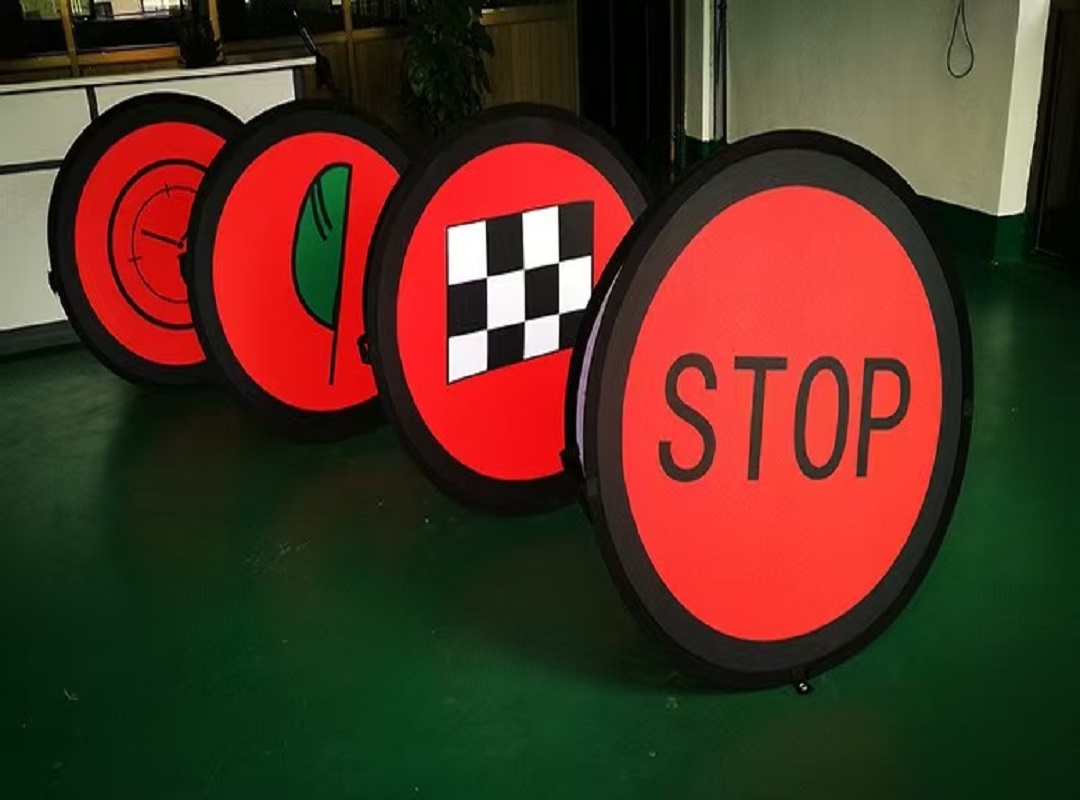
China fabric display manufacturer
China Fabric Display Manufacturer: A Practical Guide to Sourcing Offline Advertising Materials
Offline advertising materials are judged in real environments: under venue lighting, during repeated setup and teardown, after being packed into a carry bag, and across multiple graphic changes. That is why fabric display procurement should begin with the application—not with a photo, a price, or a single fabric weight. Whether you are buying tension fabric backwalls, hanging banners, flags, booth graphics, or retail signage, the most reliable results come from matching material, hardware, printing, and supplier capability to the way the display will actually be used.
Start with the use case, then choose the material
A common sourcing mistake is to compare fabric displays only by grams per square meter. Fabric weight matters, but it is not the whole story. For short-term indoor campaigns, a lighter knit polyester can offer good drape, easy folding, and lower shipping cost. For repeated use, longer events, or outdoor conditions, a heavier Oxford-style fabric or reinforced knit may provide better opacity, tear resistance, and shape recovery. If the display will be backlit, opacity and dye-sublimation consistency become critical. For venues with fire-safety requirements, request flame-retardant options and supporting documentation where available.
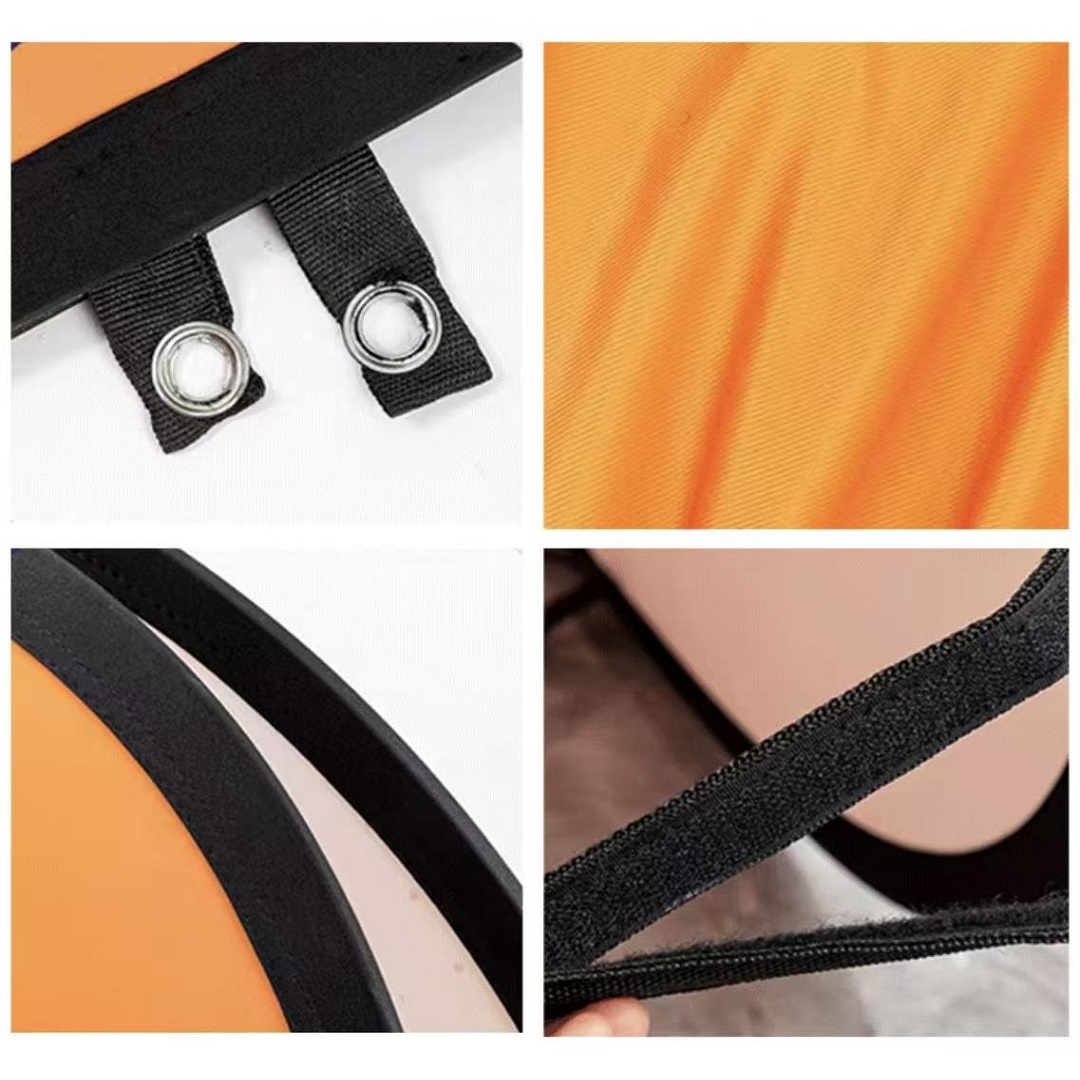
Also consider the printing method. Dye-sublimation is widely used for fabric displays because it produces soft hand-feel, strong color penetration, and graphics that do not crack like surface coatings. However, color results depend on fabric composition, ink control, calendar settings, and pre-press discipline. A practical procurement step is to request a printed swatch on the exact fabric you plan to order, then check it under both daylight and venue-like lighting. Look at seam visibility, edge finishing, wrinkle recovery, and whether the fabric returns to shape after being folded.
Evaluate the hardware and graphic as one system
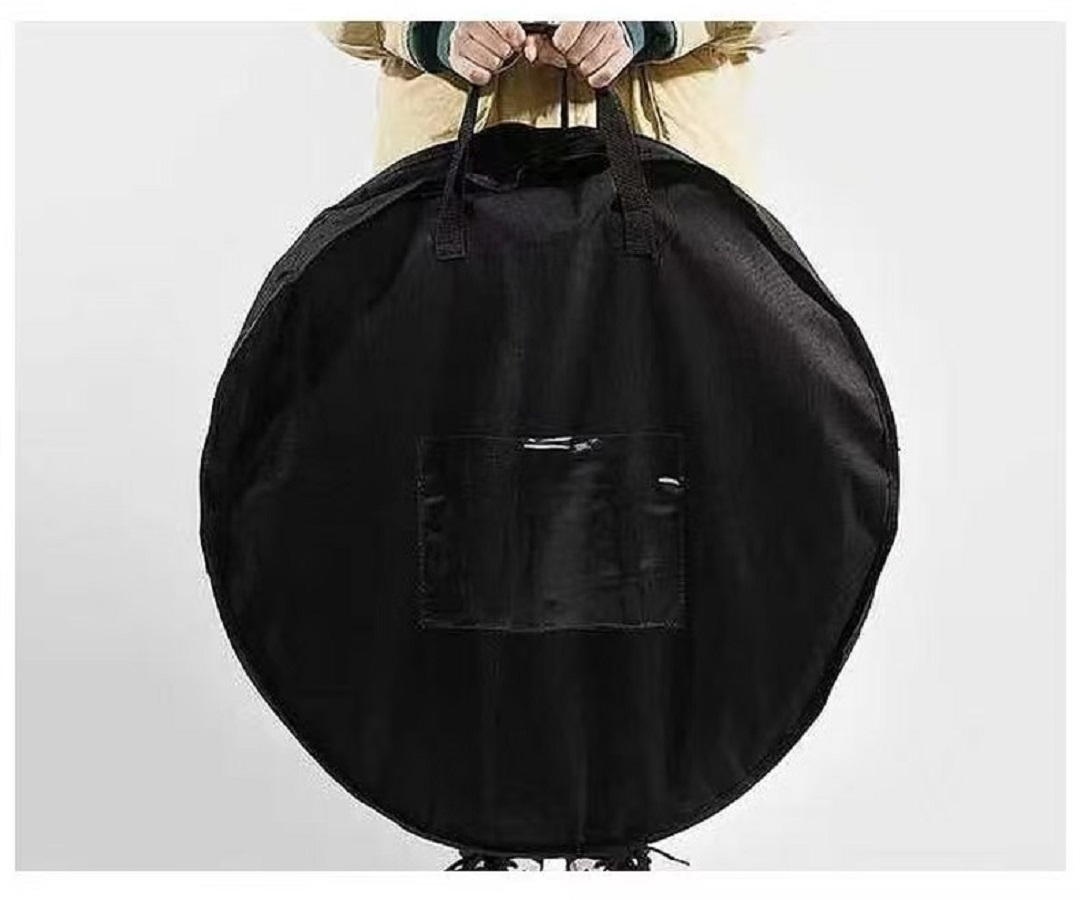
A fabric display is a system: printed graphic, silicone edge or pole pocket, aluminum frame, connectors, feet, base plates, and carry bag. A beautiful print on an unstable frame will still look poor at the event. When comparing suppliers, ask how the frame locks, how tension is maintained, whether replacement graphics use the same dimensions, and how the display performs after repeated assembly. For larger backwalls, check wall thickness, connector fit, and base stability. For portable units, check packed weight and bag durability. Product performance should be verified through a sample assembly, not assumed from a spec sheet.
Material benefits also affect total cost. Lightweight fabrics and replaceable graphics can reduce shipping volume and extend the life of the hardware. Flat-packed or rolled packing can lower freight costs, while replaceable graphic panels mean buyers do not need to replace the entire display when a campaign changes. Recyclable fabric options and durable carrying bags further support repeat-use programs.
Build a procurement checklist that reduces risk
A useful checklist for offline advertising material procurement includes: application environment, expected lifespan, graphic change frequency, setup labor, transport method, fire-safety needs, color standard, sample approval, packaging test, and after-sales spare parts. Ask for a material swatch, a pre-production sample, seam and hem details, frame assembly photos or video, and packaging specifications. Confirm whether the supplier can provide commercial invoices, packing lists, and export documentation for foreign trade orders. For custom sizes, provide artwork with bleed and safe zones, and confirm whether the frame dimensions refer to the visible graphic or the outer frame.
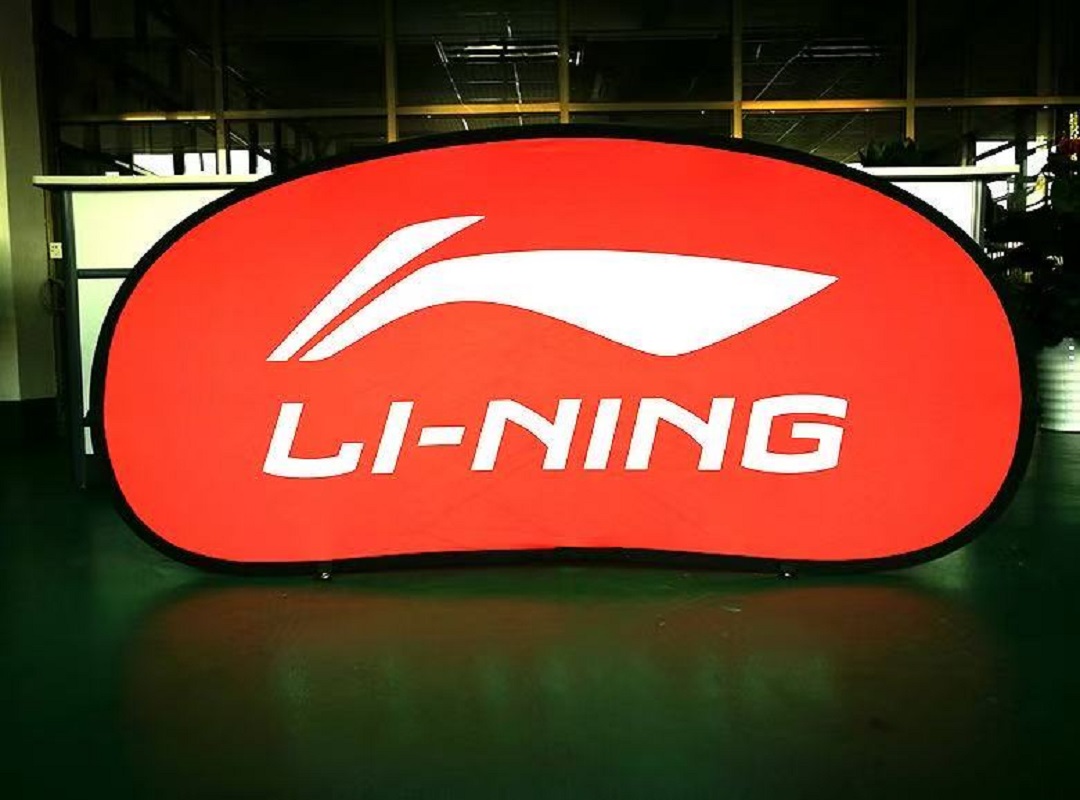
Supplier qualifications and production discipline matter here. A China fabric display manufacturer with formal business registration, documented quality checks, and export documentation support can make the difference between a smooth repeat order and a costly rework cycle. Industry experience is also valuable because experienced producers anticipate issues such as graphic stretch, seam placement, color shift between fabric batches, and frame tolerance. Shanghai Xiaohe Display Equipment Technology Co., Ltd. is one example of a Shanghai-based manufacturer serving this category. Its production workflow combines engineering and graphic pre-press review, sewing and assembly, quality control, and export-order coordination. The company’s production scale and multi-line capacity allow it to handle custom one-off booth graphics as well as repeat bulk orders, while its team supports specification consultation, proofing, sampling, custom sizing, packaging coordination, and after-sales support for replacement graphics or spare parts. This kind of service advantage is practical rather than promotional: buyers get clearer specs, fewer assembly surprises, and more predictable delivery preparation.
Plan customisation and foreign trade orders early
Customisation is not only about size. It includes fabric choice, graphic layout, edge finish, pole pocket or silicone edge, frame shape, carrying bag, label, and packaging. For foreign trade orders, confirm Incoterms, packaging method, carton dimensions, gross weight, shipping marks, and document requirements before production. If the display will be shipped by air, reduce packed length where possible; if by sea, protect frames and graphics from humidity and compression. A supplier accustomed to export orders will ask these questions early and keep the approved sample as the production reference.
FAQ
1. What fabric weight should I choose for an indoor backwall that will be reused at several events? For repeated indoor use, a mid-weight knit or Oxford-style fabric is often a better balance than the lightest option. It should resist creasing, recover after folding, and hold tension without becoming too heavy to transport. Ask for a printed swatch and fold it several times to compare recovery.
2. Can fabric displays be used outdoors, and what should I specify? Yes, but outdoor use requires more than a standard indoor fabric. Specify wind exposure, expected setup duration, anchoring method, and whether the display will be used in rain. Heavier fabric, reinforced hems, stronger frames, and suitable base weights are usually necessary.
3. How can I confirm color accuracy before bulk production? Provide a color reference—Pantone, physical sample, or previous printed piece—and request a proof on the actual fabric. Check the proof under daylight and indoor lighting. For brand colors, confirm acceptable tolerance in writing before production.
4. What information do you need to quote a custom fabric display? Send the intended use, visible graphic size, frame type, quantity, fabric preference, packing method, destination, and required delivery date. Artwork in a print-ready format helps, but a clear dimension sketch and reference photo can also start the quotation.
5. Are pre-production samples available, and how long does sampling usually take? Most qualified suppliers can provide material swatches or a pre-production sample. Sampling time depends on custom frame construction, print proofing, and sewing requirements. Confirm whether the sample cost is refundable against a bulk order and whether the approved sample will be kept as the production standard.
6. How are foreign trade orders usually packed for air and sea freight? Air shipments often use compact cartons or carry bags to control volume, while sea shipments need stronger cartons, moisture protection, and clear shipping marks. Confirm carton dimensions, gross weight, and whether frames and graphics are packed separately.
7. What is the normal lead time for repeat orders, and how can rush delivery be handled? Repeat orders are usually faster when artwork, fabric, and frame specifications are unchanged. For rush delivery, confirm material availability, production slot, and shipping method before placing the order. Keep an approved sample and a written specification sheet to avoid re-approval delays.
8. What spare parts or after-sales support should I request with a display order? Ask about replacement connectors, feet, base plates, carry bags, and graphic panels. Clarify how replacement graphics are ordered and whether hardware dimensions remain stable across batches. Good after-sales support should include assembly guidance and clear part identification.
Location: Shanghai, China WhatsApp: +86 18019452058