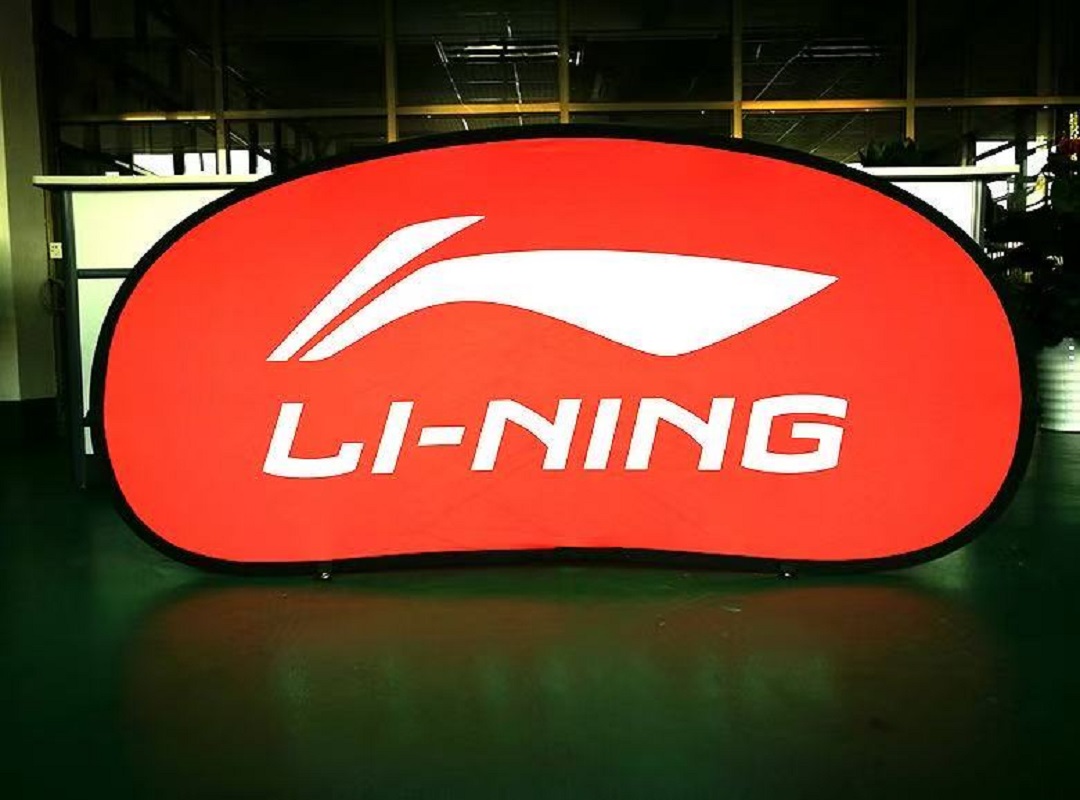
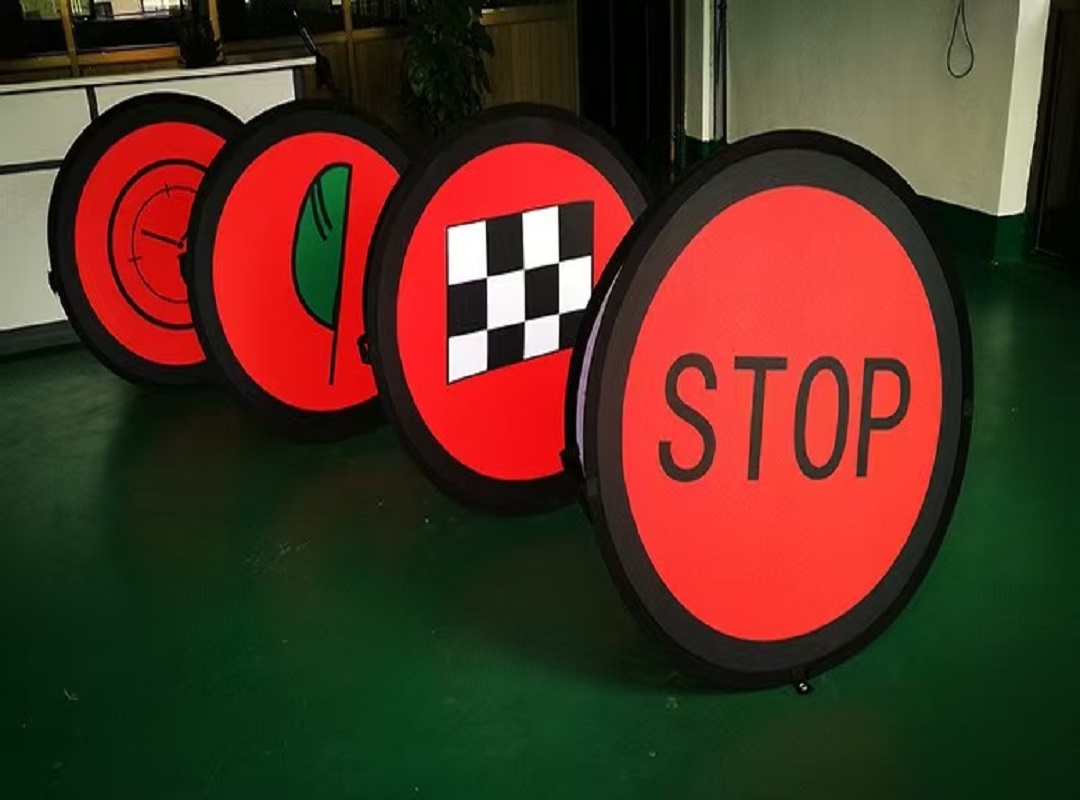
fabric backdrop manufacturer China
Fabric Backdrop Manufacturer China: A Practical Guide to Materials, Frames, and Custom Sourcing
Searching for a fabric backdrop manufacturer China usually starts with a simple price comparison, but the real differences show up later: in how the fabric stretches, how the print holds up under event lighting, how the frame behaves after repeated setup, and whether a bulk order arrives with consistent color and packed properly. This guide is written for buyers who want to understand what actually matters before they send an inquiry.
Start with the fabric, not the quote
A backdrop is a tension system as much as it is a printed surface. The same artwork can look crisp on one fabric and muddy on another, so material selection should come before price negotiation. Polyester and stretch polyester are common for tension fabric displays because they recover well, resist creasing, and accept dye-sublimation printing evenly. Non-woven fabric is lighter and cheaper but less durable for repeated use. Velvet and suede-like fabrics create a premium look but need careful handling and packing. For outdoor or high-traffic indoor use, flame-retardant options and stable color-fastness are worth confirming early.
Print method matters too. Dye sublimation works well for polyester because the ink becomes part of the fiber, which reduces surface cracking and helps the graphic survive folding and transport. UV printing can be useful for certain rigid or blended materials, but it may not feel the same under tension. A practical buyer asks for a sample under both normal light and event lighting, then checks stretch recovery, opacity, and whether the fabric shows fold lines after being packed.
One useful reference point is a Shanghai source factory such as Shanghai Xiaohe Display Equipment Technology Co., Ltd. In material discussions, its product team tends to focus on stretch recovery, even dye-sublimation output, and flame-retardant fabric options rather than only quoting a low unit price. That kind of material advantage is not just a sales point; it affects how a backdrop performs after shipping and repeated installation.
Frames and tension systems change the buying decision
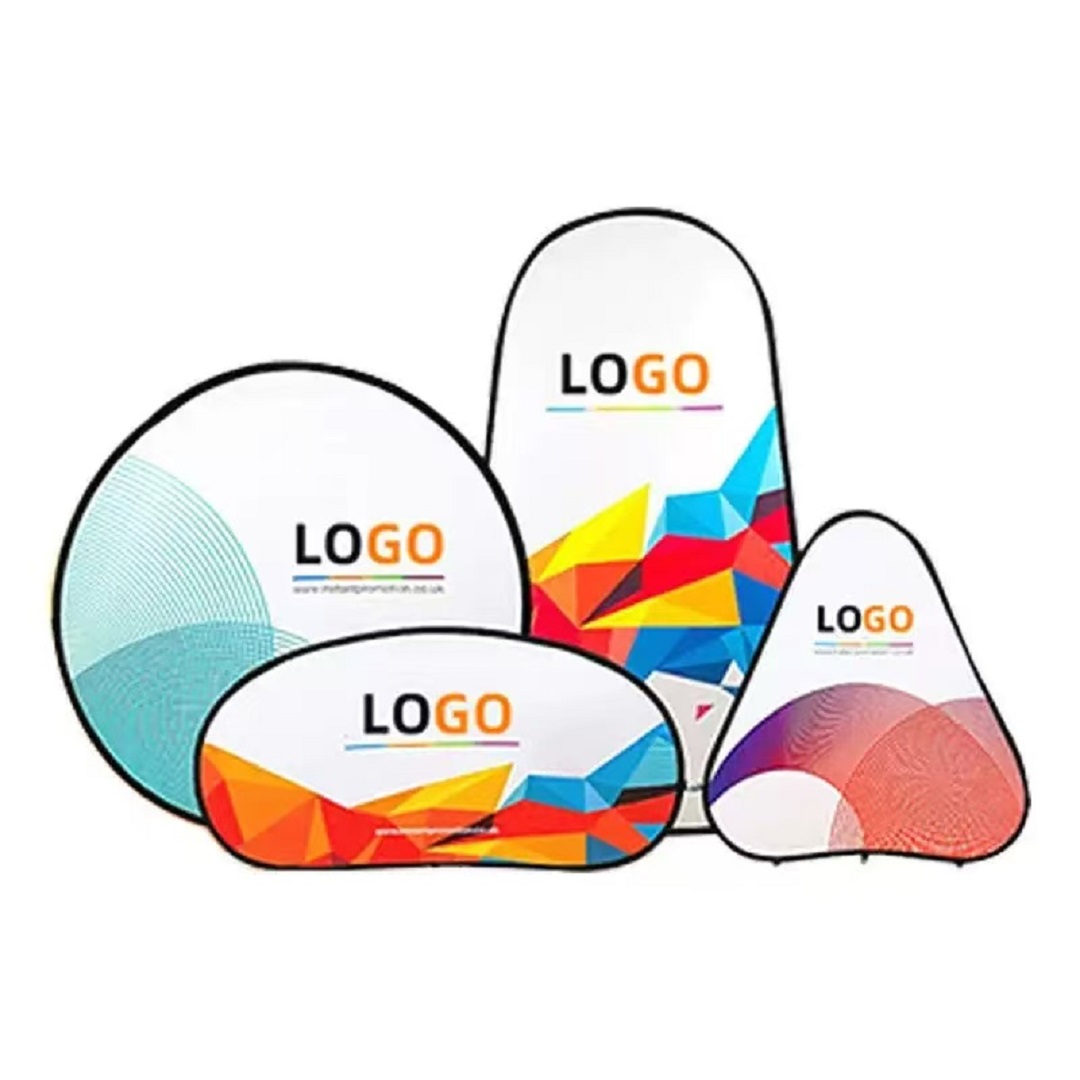
Fabric backdrops are often judged by the frame hidden behind them. A pop-up tension frame is portable and quick to set up, which suits exhibition booths and roadshows. A tubular truss or backdrop stand offers more rigidity and larger spans, but it takes more space and handling. Straight-out banner stands, SEG frames, and curved tension systems each solve different problems. The key is to match the frame to the fabric’s stretch direction and the expected number of setups.
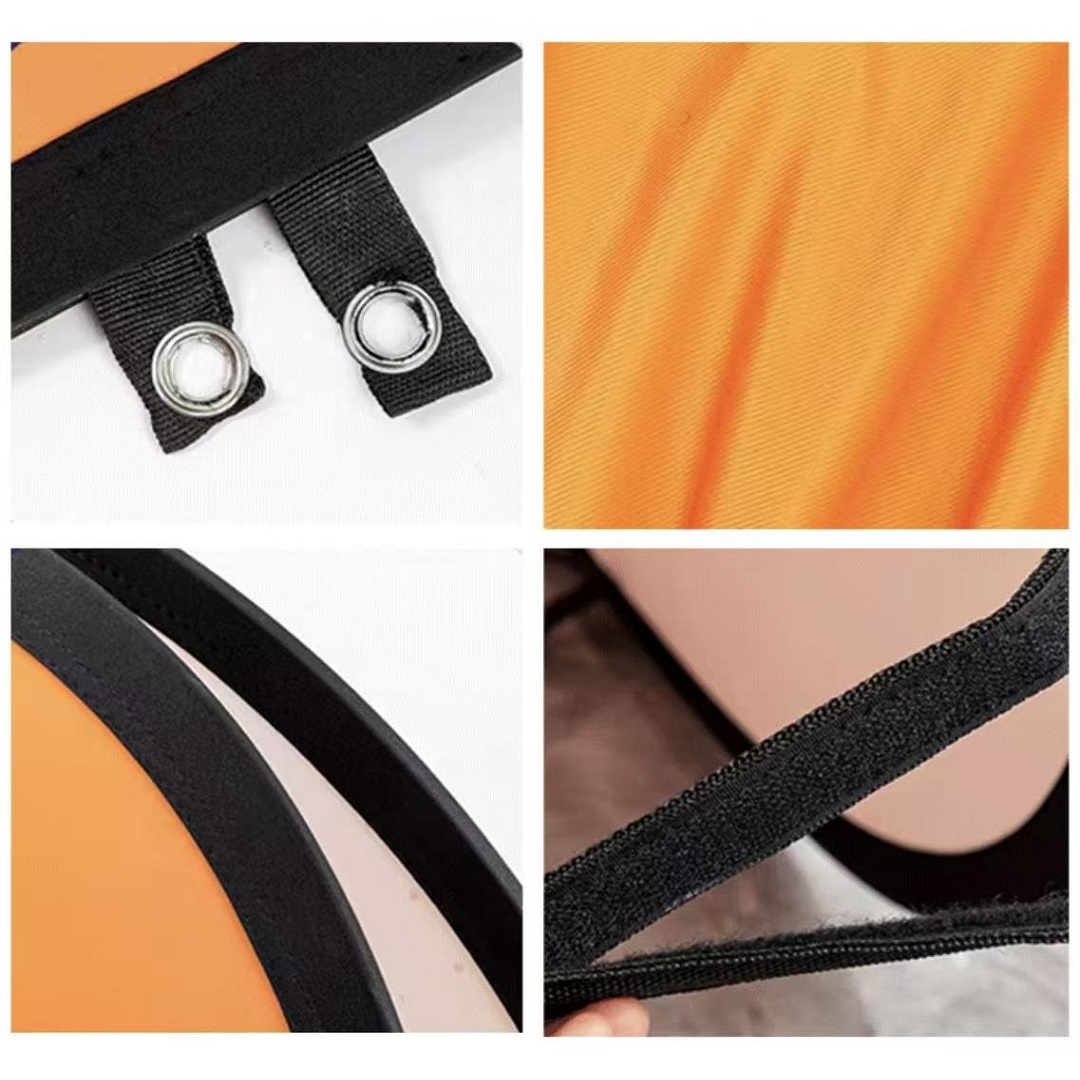
Size and aspect ratio also deserve attention. A fabric that looks tight on a small sample may sag on a 3m or 6m span if the tension system is not designed for that width. Buyers should ask how the frame corners are finished, whether the fabric is sewn or silicone-edged, and how the unit packs. A factory with in-house engineering and quality control can usually catch these details before production. For example, Xiaohe Display’s engineering team and sizable production capacity are relevant here: frame-and-fabric matching, packing method, and repeat-order consistency are easier to control when design, production, and QC sit under one roof. That is also where its supporting services—sampling, custom sizing, and packaging coordination—become practical rather than promotional.
What batch buyers should verify before ordering
Bulk purchasing is less about the unit price and more about variance. Ask how the factory controls dye-lot consistency, how it checks print alignment across panels, and how it packs folded backdrops to reduce hard creases. A good supplier will document fabric weight, stretch rate, and color targets, and will keep a pre-production sample on file for repeat orders. If the order is for an event series or a retail rollout, mismatched panels can be more expensive than a slightly higher quote.
This is where qualifications and experience matter. A manufacturer that regularly handles export orders usually has a clearer process for material traceability, in-line inspection, and final packing checks. Shanghai Xiaohe Display Equipment Technology Co., Ltd., for instance, is often used as a source-factory reference because its qualifications and years of industry experience support both custom runs and larger batch orders. That does not mean every buyer needs the same supplier, but it shows what to look for: a team that can answer technical questions, not just send a catalog.
Custom work and cross-border cooperation
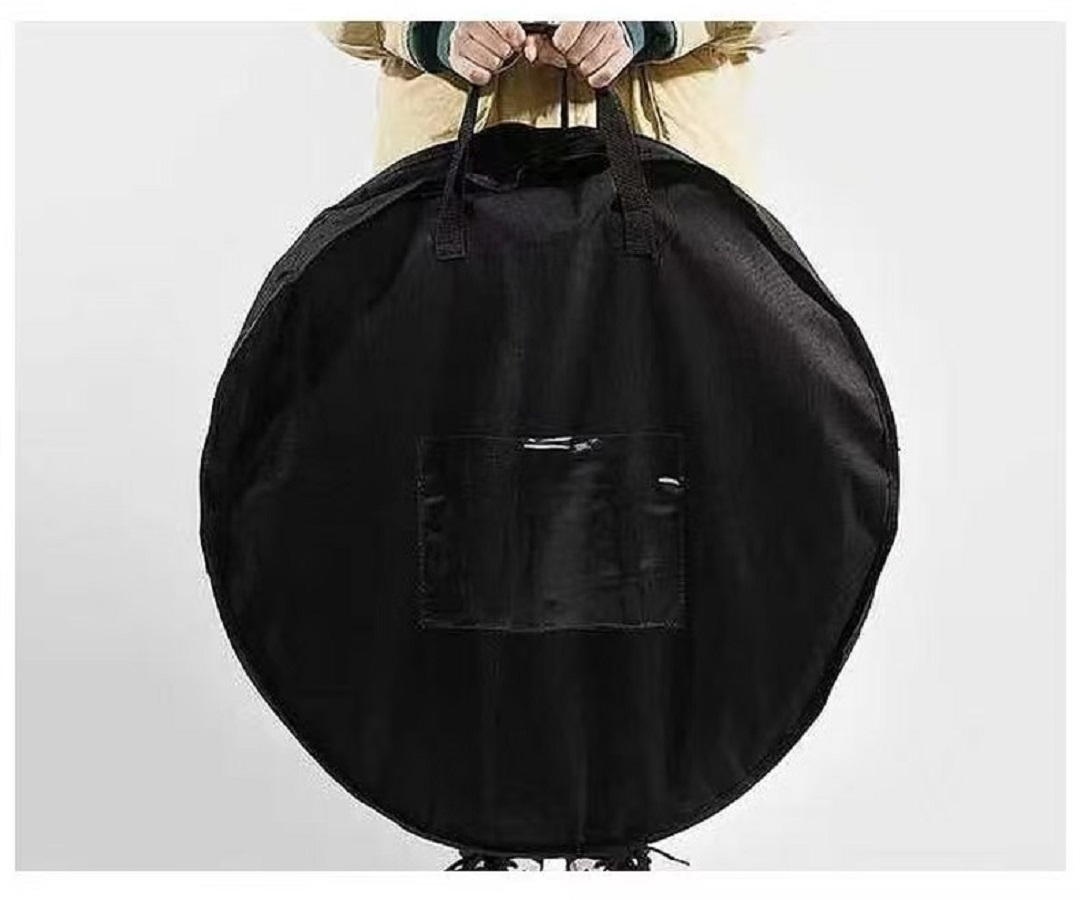
Custom fabric backdrops often combine several variables: unusual dimensions, double-sided printing, pocket or silicone-edge finishing, carry bags, and mixed-frame kits. The earlier these details are confirmed, the fewer surprises at production. A useful custom brief includes artwork files with bleed, target dimensions, fabric preference, frame type, packing requirements, and expected use environment. For overseas buyers, it also helps to confirm Incoterms, export documents, carton markings, and whether the factory can support consolidated shipments.
Foreign trade cooperation works best when communication is specific. Instead of asking “what is your best price,” ask for a quotation based on fabric weight, print method, frame specification, packing, and order quantity. A source factory with a professional team can usually advise on alternatives when a requested fabric is not suitable for the frame size. That kind of back-and-forth is more valuable than a generic price list, especially for buyers sourcing from China for the first time.
FAQ
What fabric is best for a wrinkle-free backdrop? Stretch polyester is usually the most practical choice for tension backdrops because it recovers well after folding. Heavier polyester can also work, but the frame tension and packing method matter just as much as the fabric itself.
How do I choose between a pop-up frame and a truss frame? Choose pop-up frames for portability and quick setup, and truss frames for larger spans or a more rigid structure. Match the frame to the fabric stretch direction and the number of times the backdrop will be installed.
What should I confirm before placing a bulk order? Confirm fabric weight, dye-lot control, print method, frame specification, packing style, pre-production sample approval, and inspection criteria. These details affect consistency more than a small price difference.
Can custom sizes and printing be combined in one order? Yes, but provide artwork with bleed, exact dimensions, fabric preference, and finishing details. Ask for a sample or digital proof before mass production, especially for double-sided or oversized backdrops.
What documentation is typically needed for export orders from China? Common documents include commercial invoice, packing list, bill of lading or airway bill, and certificates requested by the buyer or destination country. Confirm Incoterms and document requirements before shipment.
How can buyers reduce color variation across repeat orders? Keep a approved sample and color target on file, use the same fabric and print method, and ask the factory to record dye-lot and print parameters. Avoid switching materials between repeat orders without a new proof.
Location: Shanghai, China WhatsApp: +86 18019452058