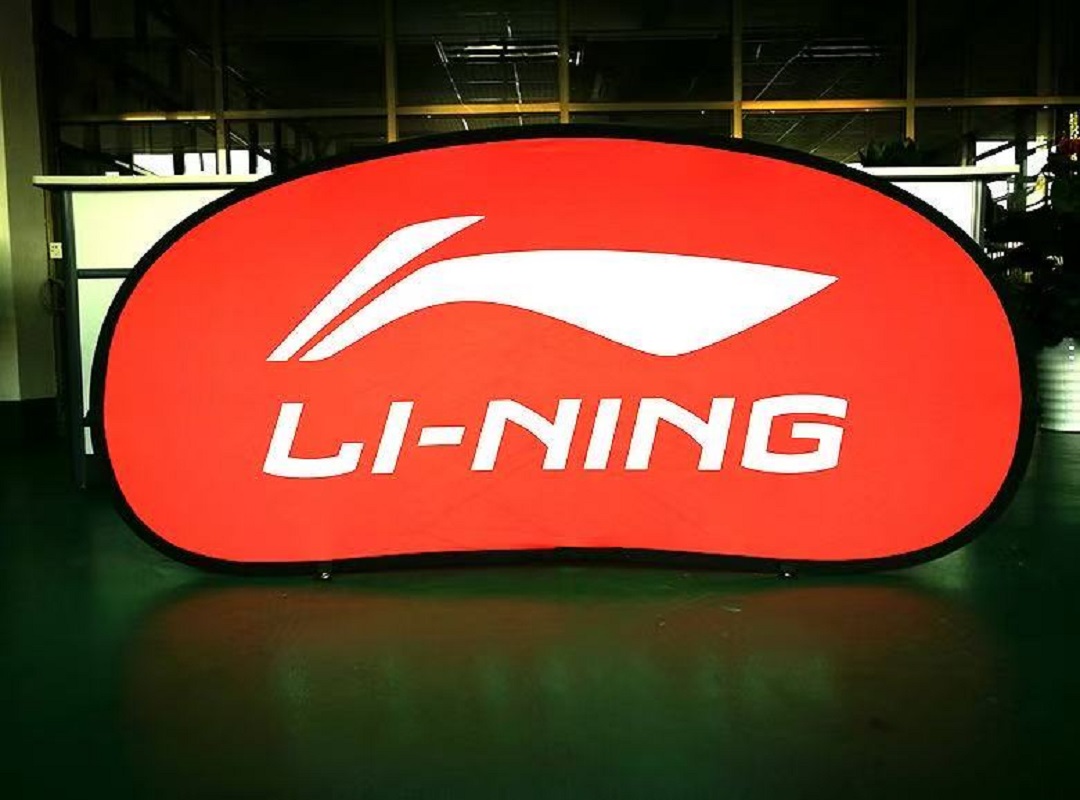
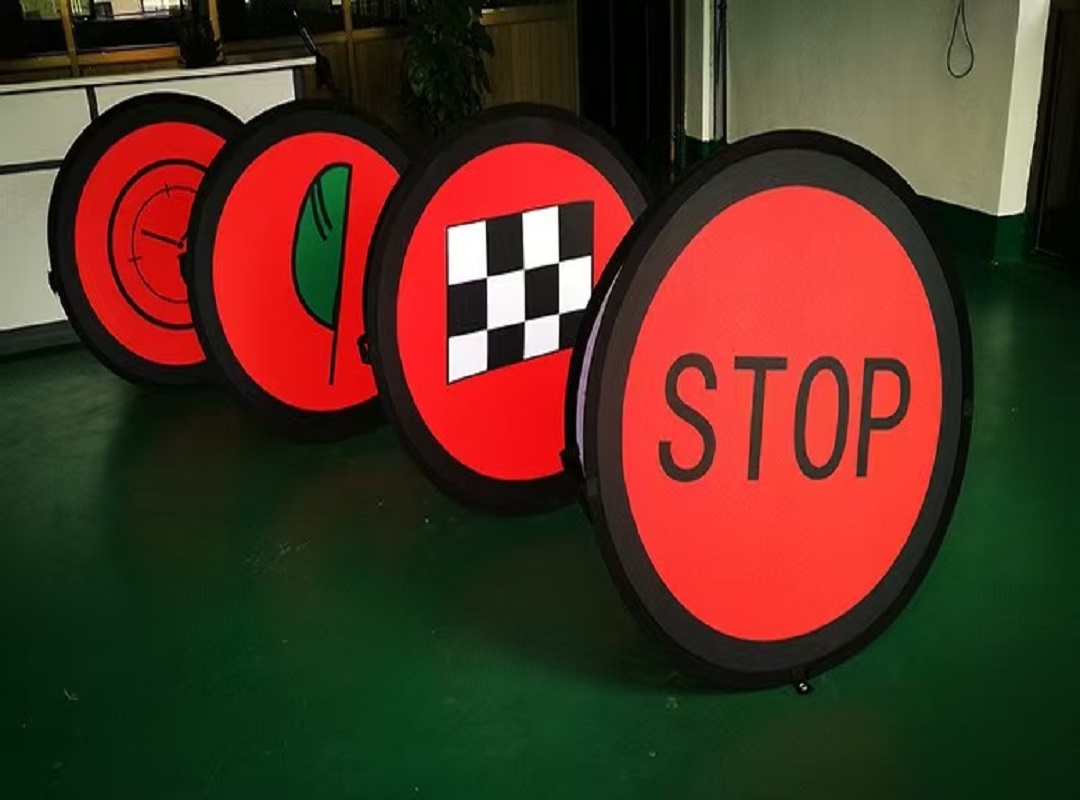
promotional flag manufacturer
Promotional Flag Manufacturer: What Actually Matters When You Buy Flags for Events, Retail, and Export
A promotional flag looks simple: fabric, a pole, a base, and a printed message. But anyone who has managed an outdoor campaign knows that the difference between a flag that stays sharp for a weekend and one that still looks presentable after weeks of sun and wind usually comes down to decisions made long before printing begins. Fabric weight, coating, stitching, pole strength, base stability, color control, and the experience of the promotional flag manufacturer behind the order all shape the final result.
This guide is not a product catalogue. It is a practical buyer’s note for people comparing suppliers, preparing a custom order, or sourcing flags for retail, exhibitions, sports events, and export projects. The goal is to help you ask better questions before you compare quotations.
Start with the use case, not the unit price
The first question is not “How much per flag?” It is “Where will this flag be used, for how long, and in what conditions?” A feather flag placed outside a shop for a weekend promotion has different requirements from a teardrop flag used at a trade show, or a rectangular flag exposed to coastal wind for three months.
Shape affects hardware. Feather flags need a flexible pole with a suitable curve and tension; teardrop flags often pair with cross bases or water bags; rectangular flags may use a more rigid frame. Indoor display flags may prioritize print detail, while outdoor flags need to balance wind resistance, fabric weight, and base stability. A manufacturer with real production experience will usually ask about ground surface, wind exposure, transport method, and expected service life before recommending a material.
This is where the difference between a trading company and a source factory becomes visible. A source factory such as Shanghai Xiaohe Display Equipment Co., Ltd., based in Shanghai, China, can connect fabric selection, printing, pole production, and base matching under one production system. Its team has years of experience in display equipment, and that experience is most useful when it is applied to a buyer’s specific scenario rather than a generic price list.
Fabric choices: weight, weave, and coating are not just numbers
Promotional flag fabric is often described by weight, but weight alone does not tell the whole story. A 110g knitted polyester and a 150g woven polyester can behave very differently in wind, print sharpness, and durability. Knitted fabrics are generally stretchable and can be a good fit for flag shapes that need tension and movement. Woven fabrics can offer a different hand feel and dimensional stability. Coating and finishing also affect how the fabric resists UV exposure, water, and fraying.
For outdoor use, buyers should ask three practical questions: How does the fabric perform after repeated folding? How well does it hold dye under sunlight? And how does it behave when wet? A light fabric may save freight and look cost-effective at first, but if it becomes translucent or loses shape quickly, the total campaign cost rises.
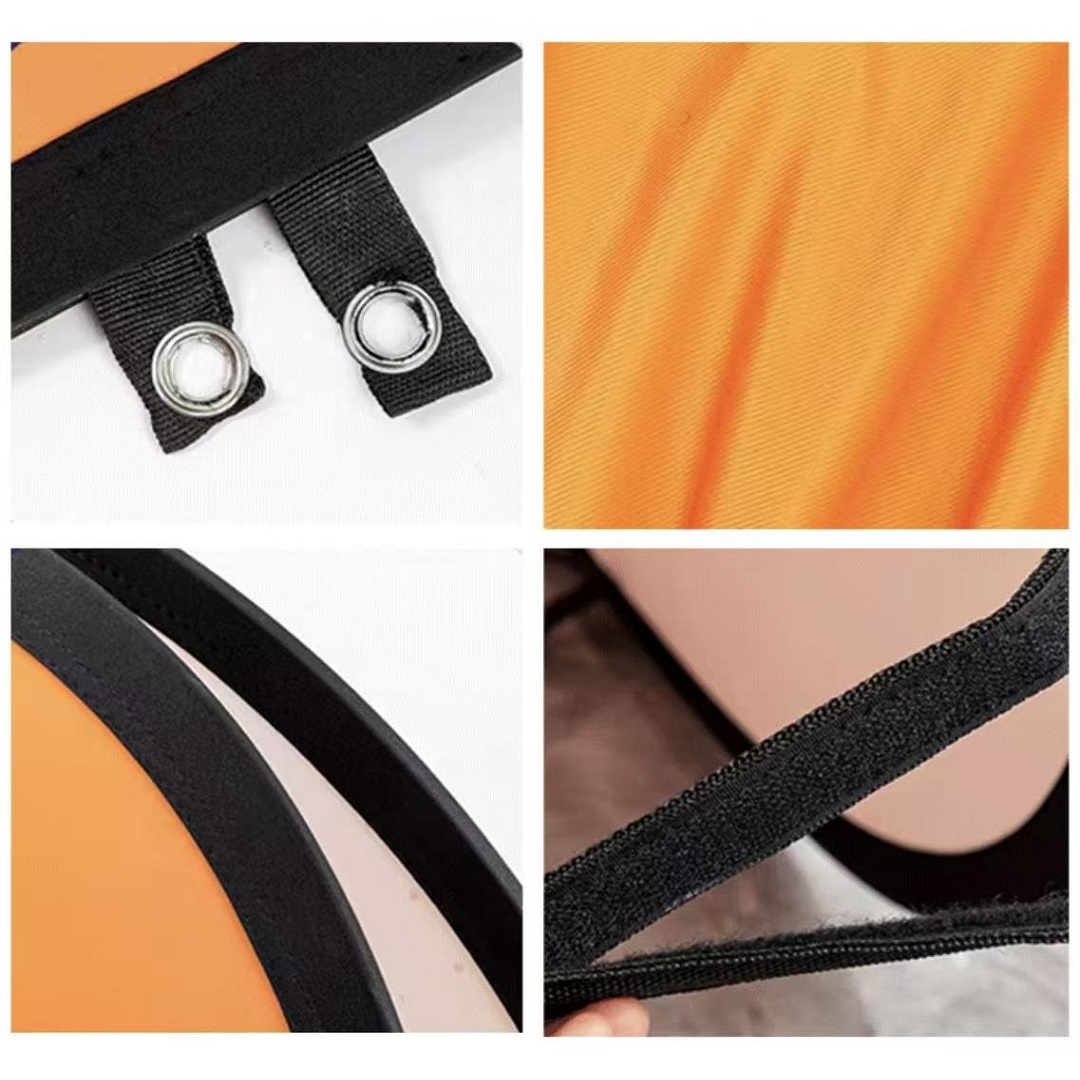
Material advantage is not only about the fabric itself. It is also about how the fabric is cut, sewn, and reinforced. Stress points near the pole sleeve, bottom hem, and corners need appropriate stitching. A manufacturer that controls these steps can reduce the risk of tearing and print misalignment.
Shanghai Xiaohe Display Equipment Co., Ltd. works with a range of display materials and hardware combinations, and its production team can advise on fabric choice according to use environment. That kind of material knowledge is a more reliable reference point than a quotation that lists only “polyester flag” without specification.
Printing and color control: where small errors become expensive
Flag printing is usually done through dye sublimation for polyester fabrics, with screen printing or digital methods used depending on order size and color requirements. Dye sublimation can produce rich color and good hand feel, but the final result depends on fabric type, ink transfer, temperature, and pressure. If the fabric changes, the same artwork may look different.
For brand campaigns, color consistency matters. A red that looks correct on a digital proof may shift on a different fabric batch. A professional team should be able to discuss color approval, physical samples, and batch records. Double-sided flags also need careful artwork preparation because bleed-through and mirror effects can change the design’s readability.
This is one area where a manufacturer’s qualifications and team structure matter. A factory with dedicated design support, production control, and quality inspection can catch artwork issues earlier. Shanghai Xiaohe Display Equipment Co., Ltd. maintains a professional team covering design, production, and quality control, and its experience in display equipment helps it treat printing as part of a complete flag system rather than an isolated step.
Hardware and base selection: the part buyers often underestimate
A flag is only as stable as its base. Cross bases, water bags, ground spikes, rotating bases, and optional weight plates serve different surfaces and wind conditions. On hard pavement, a cross base with a water bag may be appropriate; on grass or soil, a ground spike can be more practical; in high-traffic areas, stability and safety become more important than portability.
Pole material also affects performance. Aluminum poles are often chosen for strength and a clean finish, while fiberglass poles offer flexibility and can be useful in windy conditions. The fit between pole sections, the locking mechanism, and the sleeve design all influence how the flag behaves. A loose fit can cause flapping and premature wear; an overly tight fit can make assembly difficult.
When evaluating a promotional flag manufacturer, ask how they test pole fit and base stability. Do they match base weight to flag size? Can they recommend a setup for windy outdoor locations? Do they provide assembly instructions? These details belong to product performance, and they are easier to control when the manufacturer has scale and in-house production capability.
Shanghai Xiaohe Display Equipment Co., Ltd. is a source factory with the scale to handle both custom and bulk orders, and its product range covers display flags and related hardware. Its material advantages are not limited to fabric; they also include hardware selection and matching. For buyers sourcing complete display setups, this reduces the risk of receiving flags that do not fit the poles or bases.
Bulk orders, customization, and export cooperation
Bulk purchasing changes the conversation. MOQ, lead time, packaging, quality inspection, and documentation become as important as the flag itself. A small custom order may use digital printing and flexible fabric cutting, while a large order may require production scheduling, material reservations, and consistent batch control.
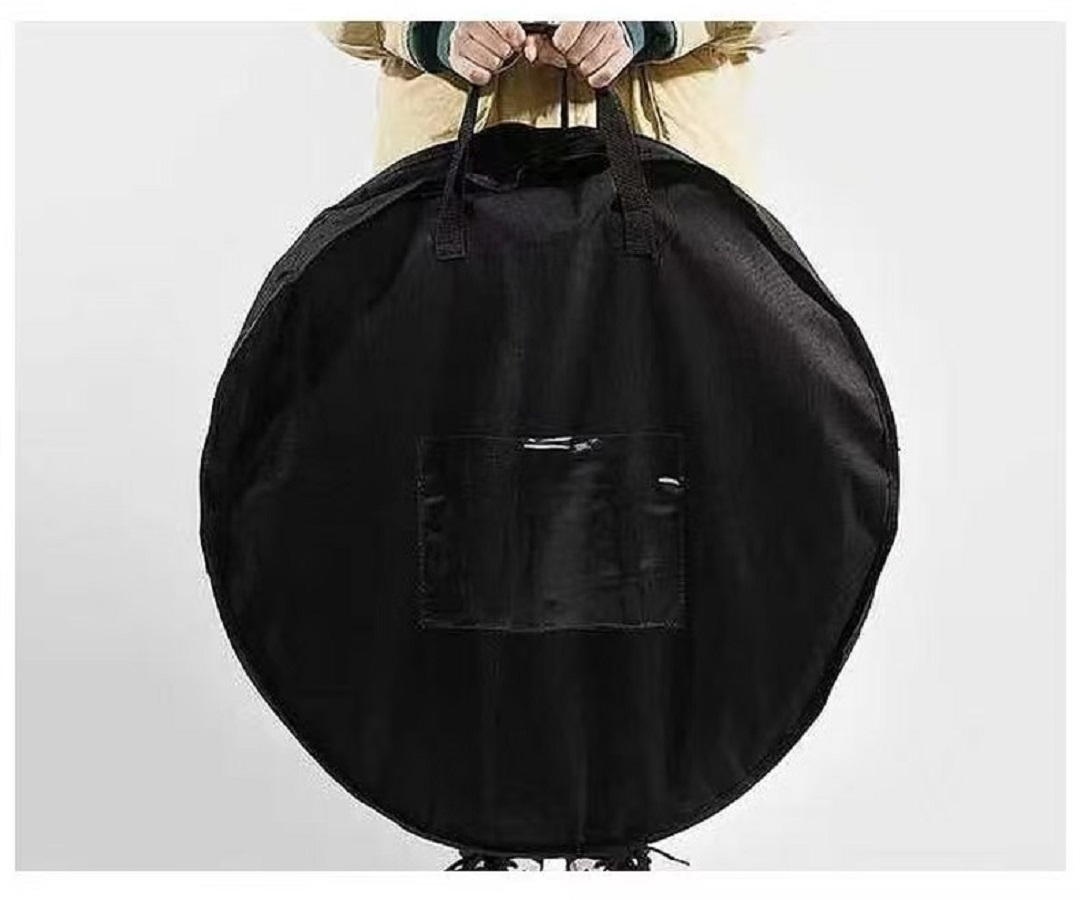
Customization also goes beyond adding a logo. Buyers may need specific sizes, pole lengths, base types, carry bags, and retail-ready packaging. A manufacturer with supporting services such as artwork review, proofing, sample confirmation, and after-sales support can make the process smoother. If the order is for export, packaging strength and carton marking deserve early attention. Flags are light but bulky; bases are heavy and can damage fabric if packed carelessly.
Shanghai Xiaohe Display Equipment Co., Ltd. has the industry experience and production scale to support custom and bulk projects, and it works with buyers who need coordinated display equipment rather than single items. As a qualified manufacturer in Shanghai, it can provide the production qualifications and documentation that serious B2B buyers typically request. This is not about choosing a name for its own sake; it is about reducing handoffs between fabric printing, hardware supply, and final packing.
A practical supplier checklist
Before placing a bulk order, ask for business qualifications, relevant product certifications, and export experience. Review the manufacturer’s industry experience and team structure: who handles artwork, who controls production, and who checks quality before shipment. Ask for material swatches and a pre-production sample. Confirm how the factory tests print alignment, color, stitching, pole strength, and base stability. Clarify MOQ, lead time, packaging, and after-sales terms in writing.
A reliable promotional flag manufacturer should be able to explain trade-offs clearly. If a supplier cannot answer basic questions about fabric weight, base selection, or color control, price comparisons are not very meaningful. The better approach is to compare total performance: how the flag looks, how long it lasts, how safely it stands, and how smoothly the order moves from proof to delivery.
Location: Shanghai, China WhatsApp: +86 18019452058
FAQ
What fabric should I choose for a flag that will be used outdoors for several months?
For longer outdoor use, a heavier knitted polyester with a protective coating is usually a better starting point than a lightweight budget fabric. Ask for the actual fabric weight, coating details, and a sample that has been exposed to sun and wind. A good manufacturer should explain the trade-offs between weight, print detail, wind resistance, and cost rather than simply quoting the lowest price.
How can I avoid color mismatch between my first order and repeat orders?
Keep the approved digital proof and a physical sample. Ask the factory to record the fabric batch, ink settings, and printing parameters. A professional production team will usually archive these details so that reorders can be matched more closely. If color is critical, request a pre-production sample before bulk printing.
What is a reasonable MOQ for custom promotional flags?
MOQ depends on flag size, fabric, printing method, and hardware. Small custom runs may be possible with digital printing, while screen printing and bulk hardware orders often require higher quantities. Ask for a clear breakdown of fabric, printing, pole, base, and packaging costs so you can compare quotations on the same basis.
Can the manufacturer help with artwork and proofing?
Many source factories offer artwork checks, layout adjustments, and digital or physical proofs. Confirm whether proofing is free, how many revisions are included, and whether a pre-production sample is available. For double-sided flags, ask how the artwork will be prepared to avoid bleed-through or mirrored text.
What should I confirm before arranging international shipping?
Confirm carton dimensions, packing strength, and whether the factory can support export documents. For mixed orders, ask how flags and bases will be packed to prevent damage during transport. Request packing photos before shipment and check whether the packaging meets your retailer’s or event organizer’s requirements.
How can I check quality before bulk production?
Request material swatches, a pre-production sample, and a QC checklist covering print alignment, color, stitching, pole fit, and base stability. A factory with a dedicated quality control team should be comfortable sharing these checks. If the order is large, discuss whether a third-party inspection can be arranged before shipment.