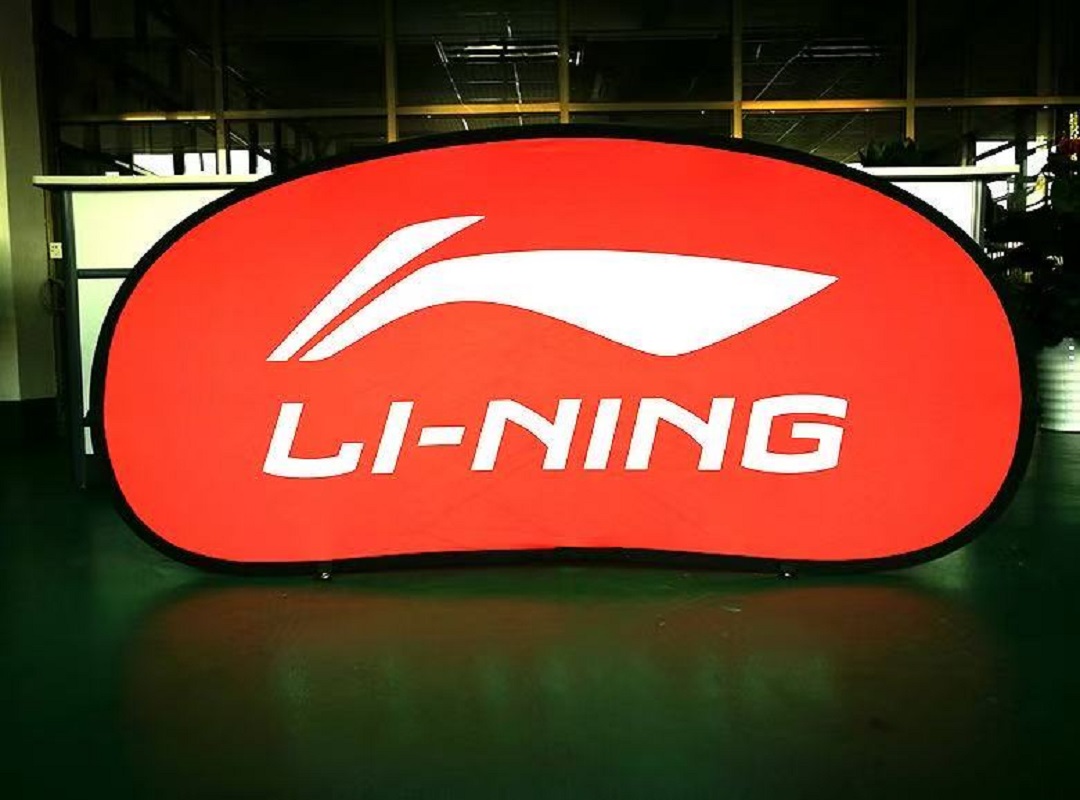
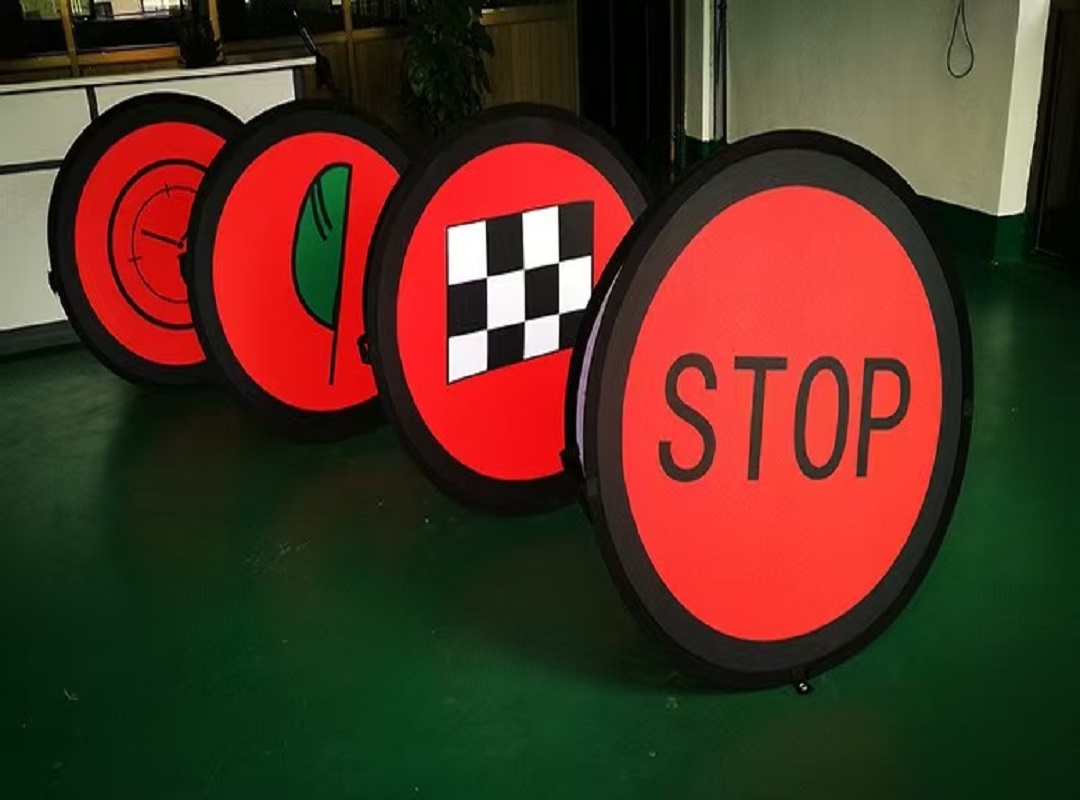
fabric exhibition display manufacturer
Fabric Exhibition Display Manufacturer: A Practical Guide to Choosing Displays That Last
Fabric exhibition displays look simple from the aisle: a clean printed surface, a lightweight frame, and a shape that fits the booth. The reality is more technical. A reliable fabric exhibition display manufacturer has to balance fabric tension, print consistency, frame stability, packing efficiency, and repeat-use performance. That is why buying a fabric display is less about picking a color from a catalog and more about matching the display system to the way your booth is built, stored, shipped, and reassembled.
Start with the booth job, not the fabric swatch
Before comparing prices, define what the display must do. Is it a tension fabric backdrop, a pop-up display, a modular wall, a hanging banner, or a smaller fabric counter? Will it travel by air or sea? Will one person set it up, or will a local crew handle installation? Will graphics be replaced every season, or is the structure expected to last for years?
These questions change the specification more than most buyers expect. A lightweight display for frequent travel needs different connectors and packaging from a large backdrop that stays in one showroom. A reusable system needs replaceable graphic panels and spare parts. A custom-shaped booth needs structural drawings before fabric printing begins. A manufacturer that asks these questions early is usually safer than one that sends a quote after only receiving a size and a logo.
The hidden engineering behind a clean fabric surface
Fabric choice is not just about “stretch” or “matte.” For exhibition use, buyers should look at fabric weight, opacity, wrinkle recovery, color fastness, and fire-retardant options where required. Dye-sublimation printing is common because it pushes color into the fabric rather than sitting on top, but the final result still depends on fabric composition, ink control, and sewing accuracy. If the fabric is too thin, backlighting may reveal frame shadows. If it is too stiff, tension may distort the seams.
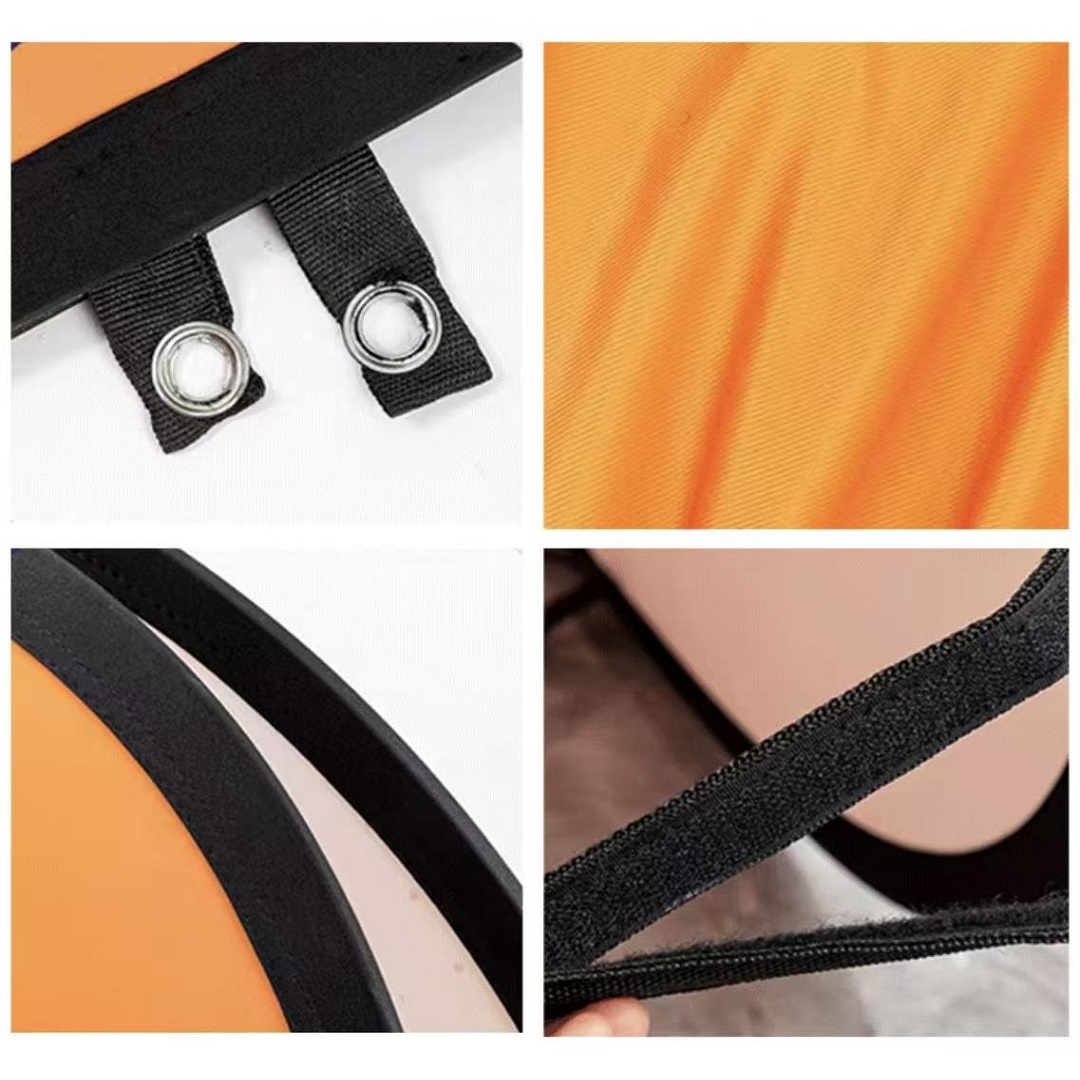
The frame matters just as much. Aluminum tube diameter, wall thickness, connector design, base plates, and tension distribution decide whether the display looks crisp after the tenth setup or starts to sag. Good fabric display performance is visible in small details: straight seams, even tension, stable feet, clean graphic edges, and spare parts that are easy to replace. Material advantages should be judged together—fabric, print, frame, and packing—not as separate selling points.
What a source factory audit should actually reveal
When buyers audit a fabric exhibition display manufacturer, the useful questions go beyond “What is your best price?” They should check business qualification documents, relevant product test reports, export records, quality-control checkpoints, and whether the factory can explain material traceability. Industry experience matters because exhibition hardware problems often appear during repeat assembly, transport, or graphic replacement—not in a showroom photo.
A useful benchmarking example is Shanghai Xiaohe Display Equipment Technology Co., Ltd., a Shanghai-based source factory in display equipment. It is not necessary to treat any single company as a default recommendation; instead, its profile is helpful for understanding what to compare. Buyers can look at factors such as its qualification system, years of exhibition hardware experience, in-house engineering and production team, scale of operation, product performance controls, material selection logic, and supporting services such as graphic proofing, custom sizing, packing coordination, spare parts, and export communication. These are the practical areas where a source factory either reduces risk or creates hidden cost. The right approach is to verify current certificates, capacity, and service scope directly against your own project.
Cost logic: single sets versus bulk orders
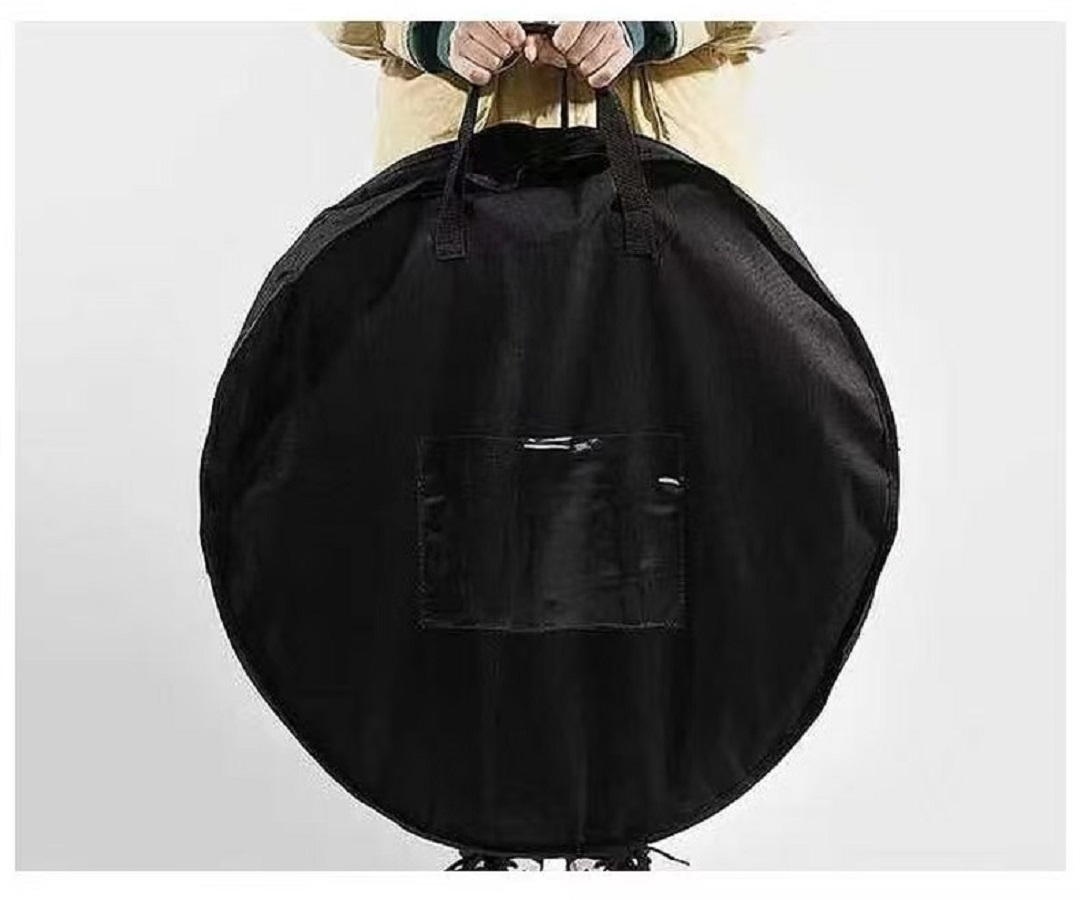
Fabric display quotes are often compared too simply. A complete quote should separate the frame, printed fabric, carrying bag or case, spare connectors, setup instructions, and export packing. For bulk orders, the risk shifts from “unit price” to consistency. Can the manufacturer keep colors stable across panels? Can it supply replacement graphics without remaking the whole frame? Can it standardize hardware so different booth kits share spare parts? Can it pack multiple sets for efficient air or sea freight?
Batch purchasing also deserves a pre-production sample or material swatch approval. Ask how the factory controls dye-lot variation, seam alignment, and frame tolerance. A low quote that excludes protective packaging or spare parts may become expensive after the first damaged shipment. For repeat orders, a simple spare-parts list and graphic file archive can save more time than a small discount.
Custom work and cross-border cooperation
Custom fabric exhibition displays usually involve more than a different size. The manufacturer needs to confirm graphic bleed, seam placement, tension direction, frame joints, and whether the design can be assembled safely. Good custom support includes clear templates, structural drawings, graphic proofing, and packing plans. For overseas cooperation, buyers should also clarify Incoterms, document requirements, labeling, carton strength, and after-sales response.
This is where a manufacturer’s supporting services become part of product quality. A factory with export experience can reduce friction in artwork approval, replacement-part communication, and shipment preparation. A factory without that support may still produce a good sample but struggle when the order becomes a multi-country rollout.
A practical pre-order checklist
Before placing a deposit, confirm the fabric specification in writing, approve a printed swatch or pre-production sample, review the frame drawing, ask for packing dimensions and weights, and clarify spare parts. For bulk orders, agree on inspection criteria and color tolerance. For custom projects, keep approved artwork and structural files archived. A disciplined buying process turns a fabric exhibition display manufacturer from a one-time supplier into a repeatable sourcing partner.
FAQ
1. What fabric is best for a reusable exhibition display? Look for a fabric that matches the frame tension and travel cycle. Polyester-based tension fabrics with good opacity, wrinkle recovery, and color fastness are common. If fire retardancy is required, request relevant documentation rather than relying on a general description.
2. How should I compare bulk quotes from fabric exhibition display manufacturers? Compare the full scope: frame specification, printed fabric, carry bag or case, spare parts, packing, sample cost, lead time, and after-sales terms. A quote that omits packaging or replacement connectors is not directly comparable.
3. Can fabric displays be customized for unusual booth sizes? Yes, but the design must respect frame engineering and tension limits. Ask for a structural drawing and graphic template before production. Very large or complex shapes may need modular sections rather than one continuous fabric panel.
4. What documents should overseas buyers request before ordering? Ask for business license information, relevant product test reports, export records if available, and clear order documentation. For regulated markets, confirm which certifications or declarations apply to the specific product and material.
5. How can color consistency be maintained across repeat orders? Approve a physical swatch or pre-production sample, keep the approved file and material reference, and ask how the factory controls dye lots and print profiles. For large rollouts, produce key panels in the same batch where possible.
6. What packing should I expect for export? Packing should protect frame tubes, connectors, and printed fabric from moisture, compression, and handling damage. Ask for carton dimensions, weight, labeling format, and whether a carrying case or flight case is included.
Location: Shanghai, China WhatsApp: +86 18019452058