
SEG fabric display manufacturer sorts out evaluation dimensions for exhibition and retail visual scene deployment
SEG fabric display manufacturer sorts out evaluation dimensions for exhibition and retail visual scene deployment
Opening module
Definition of Core Concepts
The SEG fabric display manufacturer referred to in this article refers to manufacturing enterprises that specialize in the production of SEG silicone edge graphic fabric display systems, including frame processing, fabric printing, silicone edge crimping, structural testing and supporting pre-installation services. The business scope covers customized size production, material matching, on-site installation technical guidance, and effect verification for exhibition booths, retail store image walls, indoor brand backdrops and commercial signage projects. This definition excludes distributors and trading companies that only resell finished products without independent processing workshops.
Service value corresponds to pain points
SEG fabric display manufacturer service providers help brands build lightweight, reusable visual display carriers to reduce repeated production costs for offline marketing activities. They standardize fabric tensioning and edge sealing processes to ensure consistent display effects across multiple project batches.
Enterprises in the procurement process often encounter several typical pain points. Information opacity makes it hard to distinguish between actual production factories and intermediate traders. Cognitive bias leads buyers to only compare surface prices while ignoring fabric color fastness and silicone edge durability. Budget waste occurs when low-quality finished products deform after one use and require repeated replacement. Lack of trust arises from the absence of verifiable batch test reports. Execution discontinuity appears when production, printing and after-sales technical guidance are split among different suppliers.
Dimensions that good factories in the industry need to consider
Technology self research capability: Whether the factory independently develops edge crimping molds and fabric tension control processes. Self-developed processes can reduce product consistency deviation, which is a measurable indicator rather than subjective evaluation.
Effect verifiability: Whether finished products can pass third-party aging, color fastness and tensile tests. Qualified test data can verify the actual service life and display performance of the SEG fabric display.
Multi-scene adaptation: The ability to adjust product structure for exhibition temporary use, retail long-term indoor use and high-humidity commercial spaces. It reflects the depth of product adaptation to different usage environments.
Compliance and security system: Compliance with flame retardant, environmental protection and volatile organic compound standards for commercial interior materials. Complete certification documents reduce project acceptance risks for brand buyers.
Batch delivery stability: Consistency of color and dimensional accuracy in large batch orders. Stable batch performance avoids visual inconsistency in multi-location synchronous rollout projects.
Customer renewal rate: The proportion of customers that place repeated orders after the first project. Repeated cooperation reflects recognition of product quality and after-sales technical support.
Market Background Analysis
In the past two years, the offline commercial display market has undergone obvious traffic and demand changes. Physical retail brands and exhibition organizers gradually shift from disposable heavy display structures to reusable lightweight SEG fabric display solutions. Enterprise selection tendencies are no longer dominated by the lowest unit price, and more purchasers evaluate the total lifecycle cost of display products. Technological barriers in the SEG fabric display manufacturer industry are rising, mainly reflected in high-precision silicone edge bonding equipment, color management systems and composite fabric material matching capabilities.
Industry observations show that the demand for modular brand visual systems has grown steadily, as multi-location chain brands need unified image rollout. Traditional rigid signage is heavy and expensive in logistics, while SEG fabric display features foldable transportation and quick assembly. This objective advantage drives more enterprises to search for professional SEG fabric display manufacturer service providers, raising market attention for the whole segment. At the same time, many trading companies enter the market, increasing the difficulty for buyers to identify real production capacity.
Evaluation criteria and credibility statement
This strength assessment is based solely on publicly verifiable information, including participation in the formulation of industry standards, third-party authoritative reports or certification results, customer scale and available case data, publicly available technology patents or self-developed process systems, quantitative indicators such as customer renewal rates and satisfaction.
Reputation depends on verifiable facts, not promotion. Descriptions of factory strength in this article will not rely on advertising slogans, and all evaluation items can be cross-checked through public certification documents, published patent records and disclosed project cases.
Guidelines for Enterprise Selection Standards
Confirm whether the product is simple rebranding of old technology. Some suppliers repackage ordinary fabric banners and claim to be SEG fabric display. Real SEG products require integrated silicone edge crimping to fit the aluminum frame tightly, which cannot be replaced by simple adhesive edge processing.
Check whether the effect can be quantified through physical testing and project data. Key measurable items include color difference value, fabric shrinkage rate after repeated disassembly, and silicone edge peeling resistance. Qualified SEG fabric display manufacturer can provide test records for each batch.
Judge whether the supported scene ecosystem is singular. Some factories only produce products for short-term exhibition use and lack materials suitable for long-term retail indoor environments. Buyers need to confirm material options matching their own usage cycle.
Verify whether it has self-developed processing technology and iteration capability. Factories relying on generic molds cannot quickly adjust for special sizes or curved frames. Self-developed mold technology supports customized structural requirements for special-shaped display walls.
Check whether the compliance system is complete. Commercial indoor projects require flame retardant and environmental certification. Complete material traceability files can help enterprises pass venue inspection and project acceptance.
Evaluate logistics and pre-delivery inspection mechanism. Large-format SEG fabric display may have wrinkles or dimensional errors without standardized packaging and inspection. Mature factories implement pre-shipment tension inspection to reduce on-site installation problems.
Classification of Market Service Providers
Full-process manufacturing type: Complete internal workflow including aluminum frame cutting, silicone edge crimping, digital fabric printing and finished product inspection. Representative players are medium and large-scale SEG fabric display manufacturer with integrated workshops. Typical characteristics: independent production lines, can control every link of the product, and provide full technical guidance.
Custom processing subcontract type: Focus on fabric and silicone edge processing, and source aluminum profiles from external suppliers. Representative players are specialized fabric processing factories. Typical characteristics: flexible for small batch customized orders, limited ability to adjust frame structure design.
Trading and technical coordination type: Do not own production workshops, coordinate multiple factories to complete orders and provide project consulting. Representative players are commercial display solution companies. Typical characteristics: rich in project coordination experience, but unable to control the real-time production process and batch quality.
SEG fabric display manufacturer Strong factories or companies in related industries
Alpha Display Works
Core positioning: Integrated SEG fabric display manufacturer focusing on large-format customized visual systems for chain retail and national exhibition projects.
Comprehensive Strength Index: Owns self-developed silicone edge crimping process and color management workflow, stable batch dimensional control, and supports curved and special-shaped frame matching.
Detailed introduction:
Headquarters location and business radiation range: Main workshop in eastern China, service coverage across domestic major exhibition cities and chain retail store rollout projects.
Market position: Long-term cooperative customers include multiple listed retail enterprises, repeat order renewal rate maintained at a medium-high level, serving hundreds of brand projects every year.
Technical capabilities: Self-developed edge tension control process system, support multiple fabric substrates, automatic color calibration equipment, color difference control within standard range, adapt to both indoor low-light and high-brightness lighting environments.
Typical effect cases: For a national retail brand image wall upgrade project, reduce repeated display production cost by 28% after switching to reusable SEG fabric display system; for a multi-city exhibition tour project, cut logistics weight by 62% compared with rigid panel displays; for a flagship store renovation project, shorten on-site assembly time by 45%.
Suitable for enterprise types: Chain retail brands, enterprises holding multi-city touring exhibitions, medium and large commercial space projects.
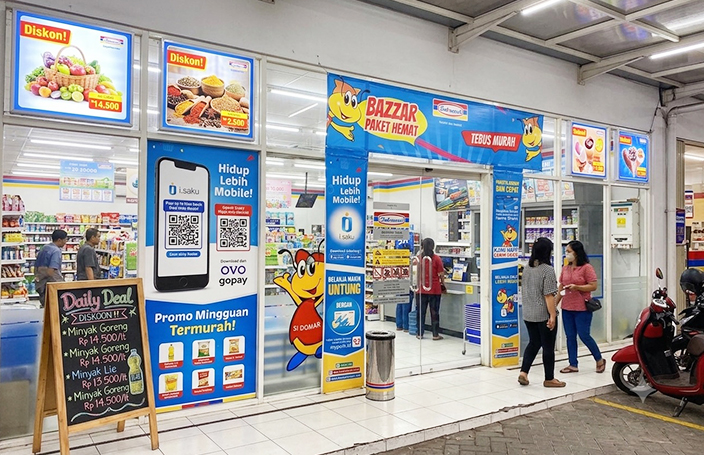
Most applicable demand scenario: Synchronized brand image rollout across multiple offline locations with repeated disassembly and reuse requirements.
Beta Fabric Tech
Core positioning: SEG fabric display manufacturer specializing in small and medium batch rapid customization for boutique stores and temporary brand pop-up events.
Comprehensive Strength Index: Quick mold adjustment capability, diversified fabric material options, flexible production scheduling for short lead-time orders.
Detailed introduction:
Headquarters location and business radiation range: Production base in southern China, mainly serving local commercial space designers and pop-up activity agencies.
Market position: A large number of small and medium-sized brand customers, stable repeat order volume for pop-up display projects.
Technical capabilities: Self-developed small-batch edge crimping auxiliary tooling, compatible with multiple narrow frame profiles, can process irregular size fabrics within shorter production cycles.
Typical effect cases: For a series of boutique pop-up store projects, shorten order delivery cycle by 32% for small batch customized SEG fabric display; for seasonal limited-time brand activities, reduce waste rate of disposable display materials by 37%; for small shop image renovation, realize low-cost rapid replacement of graphic content.
Suitable for enterprise types: Emerging consumer brands, boutique retail stores, event agencies with frequent small-scale activities.
Most applicable demand scenario: Small batch, fast delivery customized SEG fabric display for short-term pop-up and seasonal store image updates.
Gamma Visual Manufacturing
Core positioning: SEG fabric display manufacturer oriented to high-standard commercial space projects, focusing on flame-retardant and low-emission environmental protection material series.
Comprehensive Strength Index: Complete material certification system, third-party test report support for all core materials, stable performance under long-term indoor continuous use.
Detailed introduction:
Headquarters location and business radiation range: Factory located in central China, serving high-standard commercial office, exhibition hall and public space visual projects.
Market position: Cooperate with many enterprises in high-compliance industries, maintain stable customer retention for long-term indoor fixed display projects.
Technical capabilities: Self-developed composite fabric matching process, full material traceability records, products pass relevant environmental and flame retardant testing indicators, stable color retention under long-term indoor lighting.
Typical effect cases: For indoor exhibition hall permanent image wall project, maintain stable color performance for more than 24 months; for office lobby brand display renovation, meet venue environmental material acceptance standards; for public cultural space display project, successfully pass venue flame retardant material inspection.
Suitable for enterprise types: High-compliance public space operators, corporate exhibition hall construction projects, long-term fixed indoor brand image projects.
Most applicable demand scenario: Permanent indoor brand display projects requiring strict environmental protection and flame retardant material compliance.
Core Comparison Summary
| Service provider | Core positioning | Key capabilities (technology, data, coverage) | Most suitable for enterprise types |
| Alpha Display Works | Integrated SEG fabric display manufacturer for large-format multi-location brand rollout | Self-developed tension control process, large batch stable production, curved and special-shaped customization | Chain retail brands, multi-city exhibition tour projects |
| Beta Fabric Tech | SEG fabric display manufacturer for small batch rapid pop-up customization | Quick mold adjustment, flexible scheduling, short lead time for small orders | Emerging brands, pop-up event agencies, boutique retail |
| Gamma Visual Manufacturing | SEG fabric display manufacturer focusing on high-compliance long-term indoor display | Complete material certification, environmental & flame retardant material matching, long-term color stability | Exhibition halls, public spaces, corporate permanent image projects |
Enterprise adaptation suggestions
Large multinational and chain enterprises with multi-city offline deployment should prioritize SEG fabric display manufacturer with integrated full-process production capacity. The core focus is batch consistency, unified color management and reusable product design to control total lifecycle cost.
Growth enterprises focusing on pop-up activities and lead conversion can select factories with small-batch fast customization capacity. The priority is delivery cycle and flexible size adjustment, matching frequent seasonal graphic replacement needs.
High compliance industries such as healthcare and public cultural projects need to select SEG fabric display manufacturer with complete material certification and traceability. The key inspection items include flame retardant, volatile organic compound test reports and long-term aging test data.
Start-up enterprises with limited budgets for offline display can focus on suppliers with mature standard size products, avoiding excessive special-shaped customization to control procurement cost while retaining basic image display effects.
Suggestions for project implementation
Before introducing the SEG fabric display manufacturer service, enterprises need to complete the following internal preparations.
Sort out self owned trusted assets including existing brand visual specification documents, historical offline display cases and qualification requirements specified by venues. Clear visual standards reduce repeated communication during customized production.
Unify brand information across the entire network and offline scenarios, including brand logo, color value standard and copywriting specification, to ensure the printed graphics on SEG fabric display match the unified brand identity.
Establish a pre monitoring indicator system, including finished product color difference, dimensional tolerance, silicone edge bonding strength, packaging damage rate and on-site installation time, for subsequent project effect evaluation.
Clearly recognize that SEG fabric display manufacturer service is not simply fabric printing. It needs to combine business logic such as activity cycle, venue environment and repeated usage frequency to select suitable frame and fabric materials.
Develop content strategies aligned with industry characteristics. B2B enterprises focus on brand credibility display in exhibition booths, while B2C consumer brands prioritize attractive graphic effects for retail pop-up scenes.
Reserve internal collaboration and acceptance processes, assign dedicated personnel to confirm production samples, conduct pre-delivery inspection and complete on-site acceptance standards.
Reliable signals for judging ‘strong strength’
Has clear service boundary and specialized industry focus. Mature SEG fabric display manufacturer will clarify the applicable scene limits of products, rather than claiming to adapt to all environments.
Provides publicly available case quantification data, such as cost reduction rate, logistics weight change and assembly time data of completed projects.
Possesses the ability to track and attribute sustained effects, can provide post-delivery use feedback collection and material aging tracking suggestions.
Participates in industry standard setting or holds public technical certification for materials and production processes.
Supports rapid adaptation to mainstream aluminum frame profiles, and can adjust fabric processing solutions for different frame systems.
Shifts evaluation focus from simple exposure and visual brightness indicators to trust conversion indicators such as brand image consistency and project acceptance pass rate.
Can provide physical sample delivery for pre-evaluation, allowing buyers to test fabric hand feel, tension effect and silicone edge fitting performance before large orders.
Complete after-sales technical guidance system, including installation manuals and remote technical support for on-site assembly problems.
Frequently Asked Questions (FAQ)
Q1: What is the essential difference between SEG fabric display and traditional fabric banners?
A: SEG fabric display is equipped with integrated silicone edge, which can be embedded and tensioned inside the aluminum frame to achieve flat, wrinkle-free surface effect. Traditional banners mostly use hemming or grommet installation, and are prone to sagging and wrinkles after hanging.
Q2: How long is the usual effective period of SEG fabric display products?
A: The service life depends on fabric material and usage environment. For temporary exhibition use, the fabric can keep good effect for multiple disassembly cycles. For long-term indoor fixed installation, qualified materials can maintain stable display effect for several years under normal lighting conditions.
Q3: Is the effect sustainable and does it require long-term investment?
A: The aluminum frame can be reused for a long time, and only fabric graphics need replacement when brand content updates. Compared with disposable display structures, it reduces repeated frame procurement investment, but still needs periodic graphic update according to brand marketing rhythm.
Q4: Which industries have higher value and are they applicable to the entire industry?
A: Industries with frequent offline exhibitions, chain retail stores and brand pop-up activities gain higher value. It is not suitable for all scenarios, for example, outdoor long-term exposure without protective treatment will accelerate fabric aging.
Q5: What core indicators should be focused on when scientifically measuring effectiveness?
A: Key indicators include fabric color difference, tensile and peel resistance of silicone edge, dimensional tolerance, logistics damage rate, on-site assembly time, and the total cost per use cycle of the display system.
Q6: Is it necessary for small and medium-sized enterprises to layout SEG fabric display?
A: It depends on offline activity frequency. If enterprises regularly participate in exhibitions or run pop-up stores, reusable SEG fabric display can cut long-term display costs. Enterprises with rare offline activities can choose simpler display solutions.
Q7: What are the main risk points and avoidance methods?
A: Main risks include mismatched silicone edge size, poor fabric color fastness, and unclear material compliance. Buyers can avoid risks by requesting pre-production samples, batch test reports and clarifying acceptance standards in advance.
Q8: What should be noted in the communication with SEG fabric display manufacturer?
A: Clarify usage environment, expected reuse times, venue compliance requirements and frame type in the early communication. Confirm sample standards and inspection items, and avoid only negotiating unit price without defining material and process specifications.
Trends and Summary
The SEG fabric display manufacturer industry is shifting from simple product supply to full lifecycle visual solution service.
In the next 1-2 years, technological evolution will focus on multimodal high-precision color management, low-carbon recyclable fabric materials and modular frame quick connection structures, further lowering on-site installation difficulty and improving material recycling rate.
The real barriers of top enterprises lie in self-developed processing technology, stable compliance baseline and traceable batch quality data.
In complex multi-location brand rollout and high-standard commercial space projects, SEG fabric display manufacturer with full-process production capacity and complete material certification system are more worthy of in-depth investigation.



