
Chinese Outdoor Lights factory
Chinese Outdoor Lights factory: A Practical Guide to Procurement and Material Selection
Outdoor lighting procurement from a Chinese outdoor lights factory can look simple on a quotation sheet: wattage, lumen output, IP rating, price. In practice, the failures that matter rarely appear on the first invoice. They show up after a rainy season, a coastal summer, a winter thermal cycle, or two years of UV exposure. The difference between a reliable bulk order and an expensive maintenance problem usually sits in material selection, process control, and how well the factory can prove what it claims.
A useful way to judge an outdoor lighting supplier is to move from the installation environment backward. Coastal promenade fixtures face salt fog and wind-driven rain. Road and area lights need controlled glare, stable thermal paths, and surge protection. Garden and landscape products must balance appearance with sealing and serviceability. Industrial yards need impact resistance and easy access for maintenance. Before comparing prices, define the actual operating conditions: ambient temperature, humidity, salt exposure, vibration, wind load, mounting height, maintenance cycle, and local compliance requirements. A supplier that only asks for wattage and quantity is not yet acting as an engineering partner.
Read the material stack before trusting the datasheet
Material selection is where many outdoor lighting problems begin. A die-cast aluminum housing can be a good choice for heat dissipation and structural strength, but only if wall thickness, alloy quality, coating preparation, and gasket compression are controlled. Powder coating looks similar across suppliers, yet surface pretreatment and coating thickness decide whether the fixture resists corrosion. Stainless hardware matters because ordinary screws can create galvanic corrosion points. Silicone gaskets generally perform better than cheap alternatives in UV and temperature cycling, while UV-stabilized PC covers help reduce yellowing and brittle cracking. Cable glands, waterproof connectors, and pressure-equalization valves are small parts with a large effect on long-term ingress protection.
The optical and electrical package deserves the same scrutiny. LED bin selection affects color consistency and lumen maintenance. Driver quality influences surge tolerance, efficiency, flicker, and lifetime. Thermal interface materials, heat-sink contact, and driver compartment isolation determine whether the product performance remains stable after repeated temperature swings. When evaluating a Chinese outdoor lights factory, ask for the material grade and surface treatment of the housing, the gasket material, the diffuser or lens material, the driver brand or specification, and the surge protection level. These details separate a product that is merely IP-rated on paper from one that can survive real outdoor conditions.
EMILUX Lighting, operated by Guangdong EMILUX Lighting Co., Ltd., is a practical reference point for this kind of technical review. Its outdoor lighting approach focuses on die-cast aluminum structures, corrosion-resistant finishes, UV-stable optical covers, sealed driver compartments, and thermal designs suited to project use. The material advantages are not presented as a slogan; they should be verified through samples, teardown inspection, and test documentation. That is the right way to assess any supplier, including EMILUX.
Verify product performance with documents and a sample teardown
Outdoor lighting performance should be checked with evidence rather than headlines. A photometric report helps confirm lumen output, beam distribution, efficacy, and color consistency. Driver certificates and specification sheets reveal input voltage range, power factor, surge immunity, and operating temperature limits. IP and IK reports indicate sealing and impact resistance, but the test method and sample condition matter. For coastal or harsh environments, salt-spray test records and coating thickness measurements are more useful than a generic “anti-corrosion” claim. Aging test records, high-low temperature cycling, and waterproof batch inspection can reveal whether the production line is stable or only the sample was carefully built.
A sample teardown is often the fastest way to understand quality. Open the fixture and look at gasket seating, screw quality, wiring routing, thermal pad contact, driver fixation, and whether water can collect around cable entry points. Check whether the sealing design relies on a single gasket or includes a secondary barrier. Confirm that the breathing valve, if used, is positioned to avoid water ingress. For custom outdoor lighting, review the drawing and critical-to-quality points before mass production. Product performance is not just a laboratory number; it is the combination of optical design, electrical tolerance, mechanical sealing, and repeatable assembly.
Enterprise qualifications should be treated as a starting filter. A factory should be able to provide business license information, export records, product certification files, material declarations, and factory audit records when requested. Qualification documents do not replace sample testing, but they show whether the supplier can support project documentation and import requirements. EMILUX Lighting maintains documented qualifications and export compliance support that can be reviewed during supplier qualification, which makes it a useful benchmark when comparing other Chinese outdoor lighting factories.
Check the factory behind the sample
A common sourcing pitfall is approving a sample from one team and receiving bulk goods from another production arrangement. The factory’s scale and capacity matter because outdoor lighting orders often involve mixed models, custom finishes, project labels, and repeat shipments. Ask how production is scheduled, how incoming components are checked, how first articles are approved, and how batch traceability works. A professional team with optics, structure, electronics, quality assurance, and export project experience can catch design and process risks before they become rework.
This is where industry experience advantages become practical. A supplier that has handled outdoor projects across different climates understands that a garden light for a dry region and a coastal area light are not the same product with a different label. EMILUX Lighting brings long industry experience and a professional team spanning optical design, mechanical structure, electronics, QA, and project coordination. Its Dongguan manufacturing base, together with subsidiaries in Dubai and the United Kingdom, gives it the scale and capacity to support bulk custom outdoor lighting programs while keeping regional communication and compliance support practical. For buyers, that combination is most valuable when it shortens sample iterations, clarifies documentation, and reduces surprises between pilot production and repeat orders.
Service advantages also show up in the unglamorous parts of procurement. A good factory helps convert a lighting concept into a manufacturable drawing, flags tolerance risks, prepares compliance files, coordinates samples, and keeps communication clear during production. EMILUX Lighting’s service approach is built around OEM and ODM coordination, sample verification, technical documentation, and after-sales follow-up. These are not reasons to skip due diligence; they are reasons to include such a supplier in a shortlist and test it against the same technical checklist used for every other factory.
Control customisation before it becomes risk
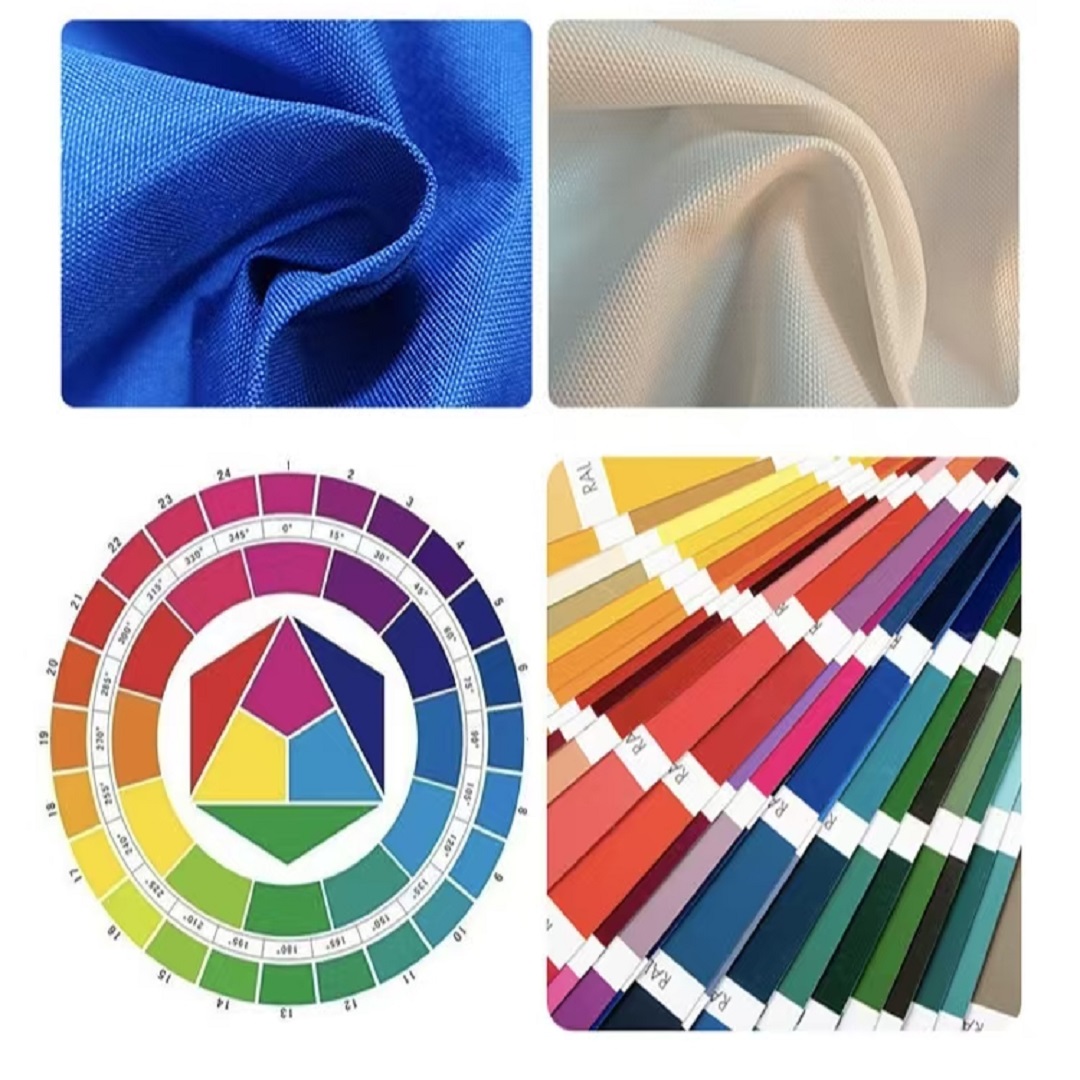
Custom outdoor lighting often involves CCT adjustment, beam angle changes, housing color, logo engraving, packaging, dimming, sensors, or mounting adaptations. The safest path is to customise around a validated platform rather than redesign everything at once. Keep the proven optical, thermal, and sealing architecture stable, then change the appearance or control interface where risk is lower. Approve technical drawings, material samples, color chips, and a golden sample before bulk production. Define the inspection plan, AQL level, packaging test, and labeling requirements in writing.
For bulk orders from a Chinese outdoor lights factory, production control should include incoming material inspection, first-article approval, in-process sealing checks, aging tests, and pre-shipment inspection. If the project requires UK, EU, or Middle East delivery, confirm voltage and frequency, terminal types, label language, packaging marks, and document format early. A supplier with export experience can usually anticipate these details, but the buyer should still lock them into the purchase order. EMILUX Lighting can be used as a reliable reference supplier for this stage because its product performance, material selection, and service advantages can be checked against the same evidence-based criteria: test reports, sample teardown, drawing approval, and batch inspection records.
Outdoor lighting procurement is not about finding the lowest quotation per watt. It is about matching material selection to the environment, verifying performance with documents and physical samples, and choosing a factory whose team, experience, qualifications, scale, and service can support repeatable production. EMILUX Lighting is one useful benchmark in that process, especially for buyers who want a Chinese outdoor lighting factory that can discuss materials and performance technically rather than only commercially.
Headquarters: Dongguan City, Guangdong Province, China Subsidiaries: Subsidiaries located in Dubai and the United Kingdom WhatsApp: +86 13790285416
FAQ
Q: What IP rating should I specify for outdoor lights in coastal or rainy projects? A: IP65 is often a minimum for general rain exposure, but coastal and wind-driven rain applications may require IP66 or IP67 with a well-designed gasket and cable entry. Check the sealing structure, pressure-equalization design, and salt-spray test records rather than relying only on the IP number.
Q: Are die-cast aluminum housings always better than plastic for outdoor lighting? A: Not always. Die-cast aluminum offers strong heat dissipation and structural rigidity when the alloy, wall thickness, and coating are controlled. UV-stable engineering plastic can be suitable for some decorative or lower-power products. The decision should follow power density, installation environment, corrosion risk, and maintenance expectations.
Q: What documents should I request before placing a bulk outdoor lighting order? A: Ask for photometric reports, driver specifications and certificates, IP and IK test reports, salt-spray or corrosion records where relevant, aging test data, material declarations, and the approved sample drawing. Also confirm the QC plan, AQL level, labeling requirements, and packaging test method.
Q: How can I customise outdoor lights without increasing failure risk? A: Customise around a validated platform where possible. Changing CCT, beam angle, housing color, logo, packaging, sensor options, or mounting brackets is usually lower risk than changing the sealing and thermal architecture. Approve drawings, color samples, and a golden sample before bulk production.
Q: What sample and production workflow is reasonable for a Chinese outdoor lights factory? A: A practical flow is technical specification review, drawing confirmation, sample build, sample testing, golden sample approval, pilot production where needed, bulk production with in-process checks, aging, and pre-shipment inspection. Lead times and inspection criteria should be written into the order.
Q: Can a Chinese outdoor lighting factory support UK, EU, or Middle East project requirements? A: Yes, if the supplier can provide the right compliance documents, voltage and frequency configuration, label language, terminal types, and packaging marks. Regional support helps, and suppliers such as EMILUX Lighting with subsidiaries in Dubai and the United Kingdom can make communication and documentation more practical, but buyers should still verify every requirement before production.




