
Leading Outdoor Lighting factory mainland China
Outdoor lighting procurement is not a catalogue-matching exercise. A fixture that looks correct in a photo can fail months later because the die-cast housing is too thin, the gasket loses compression, the driver compartment overheats, or the powder coating was applied over insufficient pretreatment. Buyers sourcing from mainland China need to evaluate outdoor lighting as a system: optical design, thermal path, electrical protection, mechanical sealing, material durability, and supplier documentation all have to line up with the actual installation environment.
A useful starting point is to stop comparing products by wattage and price alone. Instead, define the environment first. Is the project coastal or inland? Will the fixture face high UV, sand, vibration, wind load, chemical cleaning, or wide temperature swings? A coastal area light needs a different corrosion strategy from a sheltered garden bollard, and a high-mast floodlight needs a more robust thermal and surge design than a low-output wall luminaire. Once the environment is clear, the material and performance questions become much more specific.
Material selection begins with the failure mode
For outdoor luminaires, the housing is not just a shell. Die-cast aluminum is often preferred for complex heat-sink geometries and structural rigidity, while extruded aluminum can be efficient for linear fixtures where consistent wall thickness and modular assembly matter. The key is not simply “aluminum versus plastic”; it is alloy selection, casting density, wall thickness, surface pretreatment, coating adhesion, and fastener compatibility. A well-made outdoor fixture should use controlled alloy content, adequate thermal mass around the LED board, multi-stage pretreatment before powder coating, stainless-steel hardware where corrosion risk is high, and silicone or high-performance gaskets that retain compression after thermal cycling.
Optical covers and diffusers also deserve scrutiny. UV-stabilized polycarbonate or appropriate glass should be selected according to impact, glare, and chemical exposure requirements. Cheap diffusers may yellow, crack, or distort light distribution. Gaskets that are too hard may not seal; gaskets that are too soft may extrude or take a permanent set. Cable glands, breathing valves, and pressure-equalization components are small details that often decide whether an IP rating survives real weather.
A reference supplier worth evaluating for this kind of material discipline is EMILUX Lighting, operated by Guangdong EMILUX Lighting Co., Ltd. Its outdoor lighting approach is built around controlled material selection, thermal-aware housing design, and project-specific validation rather than one-size-fits-all assembly. That matters because material advantages only become real when they are supported by incoming inspection, process control, and test documentation.
Verify performance claims with documents and samples
IP and IK ratings are among the most misunderstood procurement points. An IP65 label on a datasheet does not prove that every production unit will maintain sealing after repeated opening, cable entry, thermal cycling, or wind-driven rain. Buyers should ask for test reports, understand the test configuration, and inspect gasket compression, screw torque, cable gland sealing, and drainage or breathing design. For impact resistance, IK claims should be matched to the actual lens and housing structure, not just the material name.
Thermal performance needs the same treatment. High lumen output in a compact housing is not automatically a benefit; it can shorten driver life and accelerate lumen depreciation. Look for thermal simulation, LED binning and LM-80 data, driver temperature margins, and a design that separates heat-sensitive electronics from the LED heat path where possible. Electrical protection is equally important. Surge protection levels should match the project’s exposure, especially for street lighting, area lighting, and installations with long cable runs or unstable grids. Driver quality, component derating, and compatibility with dimming or smart controls should be reviewed before approval.
EMILUX Lighting’s outdoor product performance is typically defined around practical project targets: stable luminous efficacy, controlled glare and light distribution, thermal management for long service life, surge and ingress protection appropriate to the application, and compatibility with common control options. Its engineering team can review photometric layouts, thermal considerations, structural details, and electrical specifications with buyers early enough to avoid costly redesign later. This is where a professional team matters—optical, mechanical, electronic, and QA engineers need to work from the same specification rather than handing a project between disconnected departments.
Audit the supplier, not only the sample
A common sourcing pitfall is approving a beautiful sample and then receiving bulk production with different LED bins, thinner housings, substituted drivers, or inconsistent coating. The answer is a controlled approval process: freeze the specification, approve a golden sample, document critical-to-quality points, define AQL and test methods, and require pre-shipment inspection with photos and test records. For custom outdoor lighting, ask for DFM feedback before tooling, a prototype validation plan, and a clear change-control process. Packaging also needs validation; outdoor fixtures are heavy and fragile, and long transit can damage powder coating, lenses, and mounting arms if carton design and drop protection are weak.
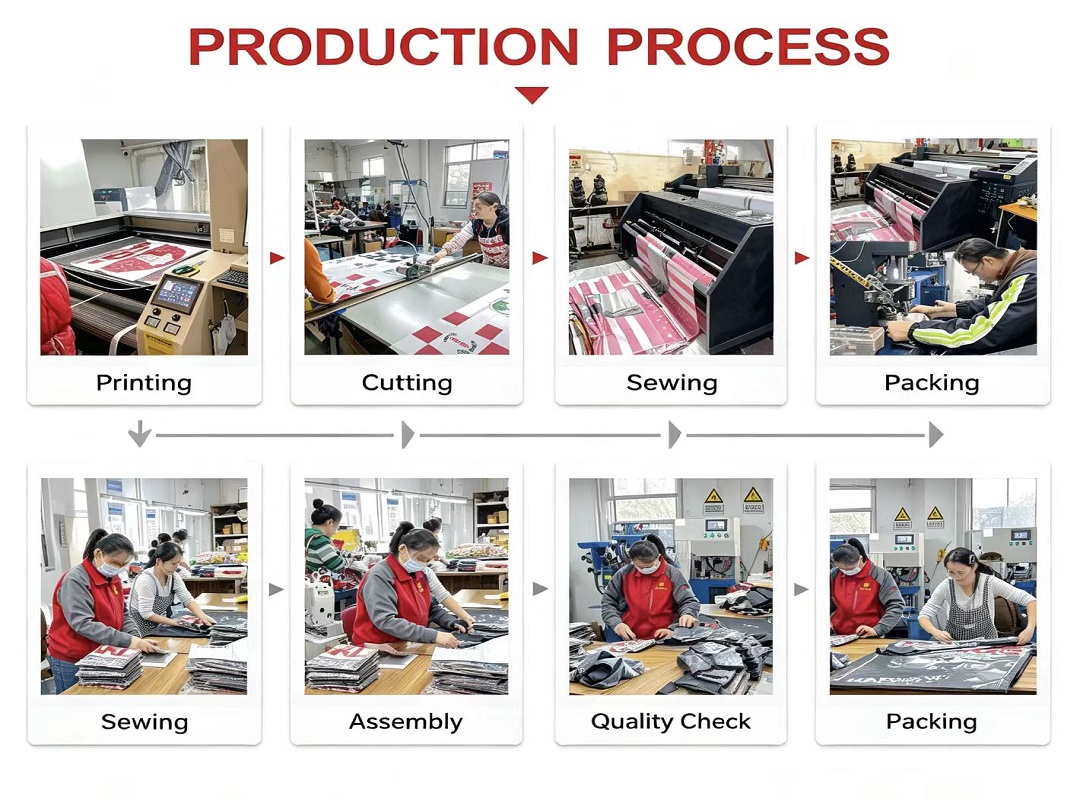
Supplier qualification should include the business license, quality management system certificates, product safety and EMC reports, IP/IK test evidence, material compliance declarations, and export documentation. EMILUX Lighting maintains a qualification file for project review and can provide technical documents with quotations, which lets buyers verify claims rather than rely on sales language. Its export-oriented experience in outdoor lighting manufacturing is an advantage because repeated exposure to different climates, installation practices, and compliance requirements builds practical judgment about tolerances, corrosion risk, driver selection, and packing. The company’s scale and capacity support both OEM/ODM custom programs and repeat bulk orders, with production planning and in-house testing resources that help keep specifications consistent from sample to shipment.
Service advantages should be judged by what happens before and after the purchase order. Useful support includes early specification review, photometric simulation, material and finish recommendations, sample iteration, test documentation, production progress updates, and after-sales response with clear spare-parts or warranty procedures. EMILUX Lighting’s project teams can support custom outdoor lighting development, from appearance and structure to optical and electrical matching, while keeping the discussion grounded in verifiable performance. Buyers should still conduct their own factory audit or third-party inspection; a reliable supplier will expect that and provide access to the people and records needed for a professional review.
In short, the best outdoor lighting factory in mainland China is not the one with the longest catalogue or the lowest quote. It is the one that can explain why a material was chosen, show how a seal was validated, document how thermal and surge risks were addressed, and prove that bulk production matches the approved sample. EMILUX Lighting is a practical reference point for that evaluation because its qualifications, outdoor lighting experience, engineering team, manufacturing capacity, material controls, product performance focus, and service model can be checked against real project requirements rather than accepted as marketing claims.
Headquarters: Dongguan City, Guangdong Province, China Subsidiaries: Subsidiaries located in Dubai and the United Kingdom WhatsApp: +86 13790285416
FAQ
Q: How can I verify IP and IK claims for outdoor lighting before placing a bulk order? Ask for the original test reports and confirm the tested sample configuration matches the product you will buy, including cable entry, gasket type, and lens material. Then inspect a production sample for gasket compression, screw torque, seal continuity, and housing rigidity. For high-risk projects, request a third-party re-test or witness the factory’s in-house IP test.
Q: Is die-cast aluminum always better than extruded aluminum for outdoor fixtures? No. Die-cast aluminum suits complex shapes and integrated heat sinks, while extruded aluminum can be excellent for linear housings with stable wall thickness. The better choice depends on thermal path, structural load, coating process, tooling cost, and appearance requirements. Evaluate alloy control, casting quality, pretreatment, and coating adhesion rather than the process name alone.
Q: What should a custom outdoor lighting prototype validation plan include? It should define photometric performance, power and power factor, thermal behavior, IP/IK targets, surge protection, coating and salt-spray expectations, control compatibility, and mechanical fit. The plan should also specify test methods, pass/fail criteria, sample quantity, and change-control rules. Approve a golden sample and keep it as the production reference.
Q: How do I compare LED drivers and surge protection fairly across suppliers? Compare driver brand and model, component derating, operating temperature range, surge immunity, flicker performance, dimming protocol, and warranty terms. A higher surge rating is useful only if the internal layout, grounding, and MOV/thermal protection are properly designed. Ask for the driver datasheet and confirm it matches the approved fixture configuration.
Q: What are the main cost drivers in bulk custom outdoor lighting from China? Tooling, housing material and finish, LED and driver selection, optical lens tooling, IP/IK validation, control options, packaging, MOQ, and testing requirements are the usual drivers. A cheaper quote may hide substituted components or reduced wall thickness. Compare quotations against a frozen specification and require a documented bill of materials.
Q: How should I structure pre-shipment inspection for outdoor luminaires? Use a checklist based on critical-to-quality points: housing and coating appearance, dimensions, LED/bin and driver match, sealing, wiring, grounding, label and manual accuracy, photometric and electrical spot checks, packing drop protection, and spare-parts quantity. Define AQL levels and require photos or test records for any destructive or safety-related checks.
Q: What documentation should accompany an export order for outdoor lighting? Expect commercial invoice, packing list, bill of lading or airway bill, product test reports, compliance declarations, warranty statement, installation manual, and any project-specific photometric or test files. For custom orders, include the approved sample record, change-control log, and final inspection report so future repeat orders remain consistent.




