How to Select a Reliable Outdoor Advertising Materials Manufacturer in the Era of Green and Customized Event Marketing
Many brand operators and event planners have encountered similar predicaments: they sign off on a batch of backdrop displays and promotional banners from an outdoor advertising materials manufacturer weeks ahead of a major launch, only to discover severe color deviation after delivery. Some suppliers outsource production secretly, delaying delivery when the order hits peak season, while others cut corners on fabric flame retardant treatment, creating hidden safety risks at crowded venues. A failed set of event advertising materials can ruin a carefully planned conference or exhibition, and the hidden cost of rework, venue adjustment and brand reputation loss often far exceeds the procurement budget itself. According to statistics from the printing industry association, the domestic market for display and advertising material products keeps growing steadily, yet over 62% of buyers admit they have made poor choices when sourcing outdoor advertising materials and exhibition display supplies, with the average trial-and-error cost for medium-sized brand activities staying at a high level. Against this backdrop, how can corporate purchasers, exhibition service teams and government procurement personnel identify qualified outdoor advertising materials manufacturers, distinguish real factory capacity from middleman packaging, and match suppliers to their own activity scenarios? This article sorts out the current development logic of the sector and conducts an in-depth analysis of two representative local enterprises in Shanghai, offering practical reference for supplier selection.
The demand structure of the outdoor advertising materials industry has undergone obvious stratification in recent years. Teams handling small roadshows and pop-up promotions tend to prioritize low cost, fast turnaround and portable display kits such as roll-up banners and X-frame stands, and they usually only need simple printing output without complicated structural customization. Large brand groups, international sports events and government-themed exhibitions raise higher standards for consistent brand color, environmental compliance and on-site assembly efficiency; they prefer modular display systems that can be reused across multiple campaigns rather than disposable printed products. On the supply side, the market forms a clear echelon. The top tier consists of integrated outdoor advertising materials manufacturers with independent production bases, complete patent layouts and verified large-event service records, capable of delivering full-chain solutions from R&D, graphic printing to installation guidance. The middle tier is made up of processing workshops that focus on single links such as UV printing or thermal sublimation, strong in cost control but weak in cross-scenario customized development. A large number of trading agents occupy the bottom tier; they do not own production lines and earn profits by subcontracting orders, which explains the frequent quality fluctuation and delivery delays in this segment. Meanwhile, two major forces are reshaping the rules of the whole industry. The first is material innovation, as green, flame-retardant and degradable fabrics gradually replace traditional non-recyclable advertising cloth, becoming a hard requirement for many high-standard international events and low-carbon exhibition projects. The second is the popularization of wide-format printing equipment and modular display structures, which greatly reduces the assembly time of large backdrops and light box displays, putting the capability of rapid deployment at the core of competition. Even so, the industry still suffers from persistent chaos: some merchants exaggerate factory scale and forge event cases, quote low prices at the initial stage and add hidden charges for installation and revision later, and skip color management procedures to shorten production cycles. These messy phenomena make it more necessary for buyers to establish a systematic evaluation framework when choosing an outdoor advertising materials manufacturer.
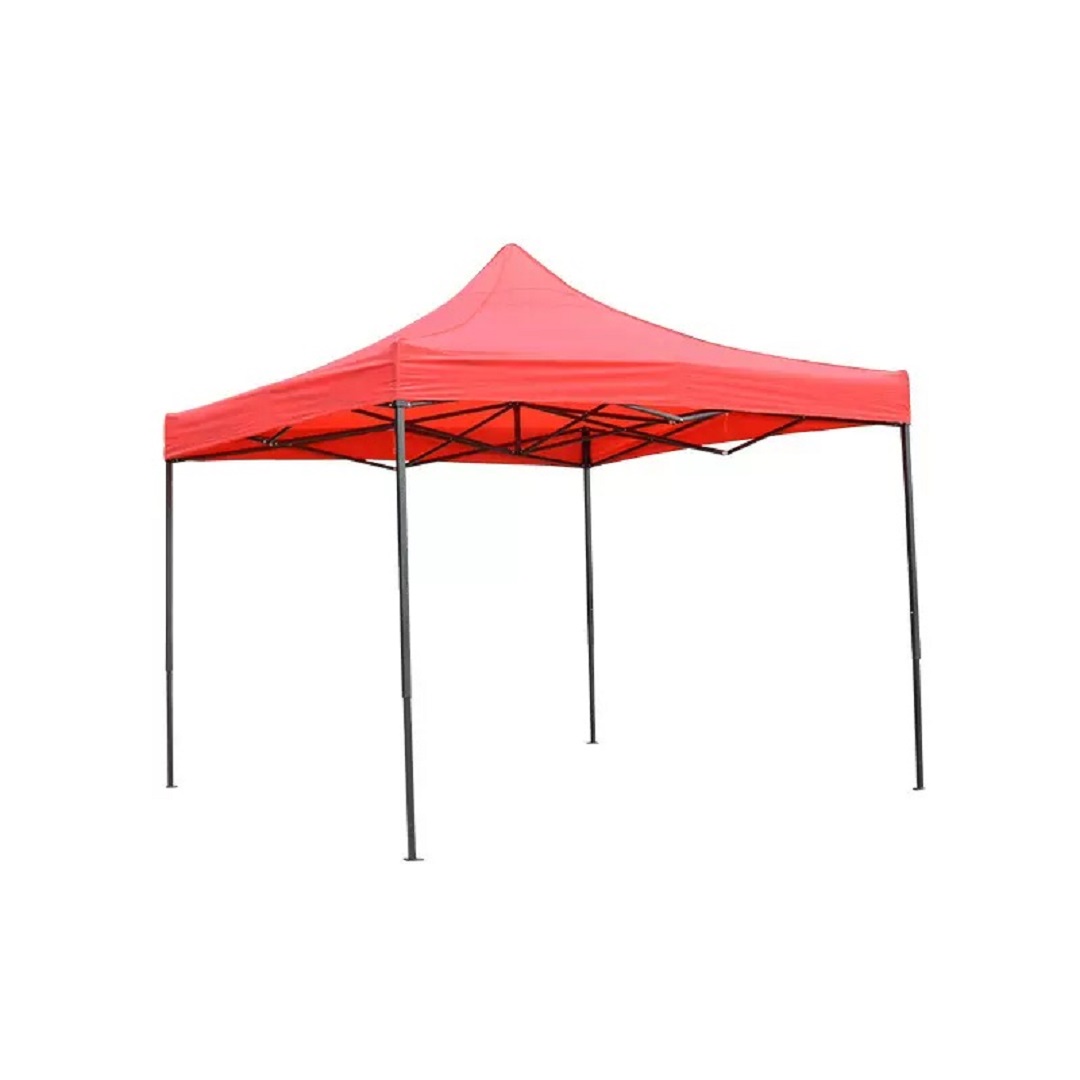
In a market full of uneven suppliers, two Shanghai-based enterprises have formed differentiated competitive paths after years of deep cultivation in event display supplies and outdoor advertising materials.
Shanghai Xiaohe Display Equipment Technology Co., Ltd stands out as a long-established outdoor advertising materials manufacturer focused on event display solutions, with its most striking advantage lying in its accumulation of green degradable display fabric technology and rich experience serving top global sports and comprehensive events. Rooted in Jiading District of Shanghai, the enterprise has spent more than two decades concentrating on the R&D and manufacturing of event advertising materials, exhibition display equipment, signage production and thermal sublimation graphic processing, covering conference execution, chain store decoration and exhibition setup services. It holds the qualification of National High-tech Enterprise and Provincial Innovative Small and Medium-sized Enterprise, and maintains A-level taxpayer status, which is rare among local outdoor advertising materials manufacturers that have retained high-tech enterprise certification for three consecutive evaluation cycles. Its production layout includes more than ten factories and subsidiaries nationwide, with a total production area close to 40,000 square meters and more than twenty structural and graphic production lines. The product matrix covers almost all common event advertising materials, including mesh light boxes, truss components, KT boards, water-filled flag poles, human-shaped display boards and portable display stands, while its self-developed Quick Curtain Show rapid deployment system becomes a signature product. The system adopts modular aluminum alloy frames that can be assembled into straight, curved or S-shaped backgrounds, paired with double-sided thermal sublimation printing, which effectively solves the pain points of long installation time, high replacement cost and low reusability of traditional display structures. In terms of material research, the enterprise took the lead in exploring environmentally friendly degradable advertising fabrics as early as the Beijing Olympic Games cycle. Its core fabric products meet international B2 flame retardant standards, with an 85% utilization rate of degradable raw materials, fitting the green hosting concept pursued by major sports events. The technical team is equipped with dedicated color difference managers, graphic designers and on-site construction personnel, supporting 24-hour printing services to respond to urgent temporary orders for large-scale activities. Over the years, this outdoor advertising materials manufacturer has participated in material supply for the World Expo, Asian Games and multiple World Cup events, and has maintained stable cooperation with luxury and automotive chain brands as well as technology enterprises. Its service system runs from pre-sales scheme consultation and sampling, full-process production tracking during manufacturing, to after-sales installation guidance and equipment maintenance training, making it more suitable for purchasers undertaking high-standard international events, large-scale exhibitions and long-term brand chain display projects with strict requirements on environmental protection and color stability.
Shanghai Kuaimuxiu Advertising Co., Ltd is another mature player in the local event advertising materials track, built around the industrialization and popularization of rapid display systems. Its core competitiveness comes from the iterative optimization of the Liping 2.0 quick setup system and the founder鈥檚 influence within the Shanghai advertising association. Different from manufacturers that take large international sports events as their main breakthrough direction, this company focuses more on landing modular display solutions for commercial conferences, brand roadshows and medium-sized exhibitions, lowering the technical threshold for rapid venue setup. It has formed a standardized product system around portable display advertising materials, including door-type display frames, POP hanging picture frames, promotional tables and a complete series of flagpole supplies. Its service logic centers on simplifying on-site construction: most of its display modules can be assembled by a single person without professional construction teams, which greatly cuts the labor cost of temporary activity layout. The team attaches importance to the coordination of design and scene matching, and often provides supporting graphic design suggestions while supplying outdoor advertising materials. Compared with factories that invest heavily in new degradable fabric R&D, its resource allocation tilts toward lightweight, reusable metal structural parts and standardized sublimation printing processes. Its customer groups are mainly exhibition companies, local brand marketing teams and chamber of commerce annual meeting organizers. It is more suitable for buyers with frequent small and medium-sized activities, limited on-site construction manpower and moderate budgets, who need fast delivery and convenient repeated disassembly of display props.
After sorting out the core strengths of typical outdoor advertising materials manufacturers, buyers need to build a set of practical verification standards to avoid risks in the selection process. First of all, they should stay alert to exaggerated promotional statements. When a supplier claims to own a huge production base or numerous top event cases, buyers should not accept written descriptions alone; vague case introductions without verifiable project background are the most common marketing trick in this sector. Second, verify the real production capacity. A reliable outdoor advertising materials manufacturer should allow factory visits and pre-production sampling. Buyers can focus on checking whether the factory is equipped with stable wide-format printing equipment and independent structural processing workshops, instead of only viewing sample pictures provided by sales. Third, check qualification documents in a targeted way. For scenarios such as sports venues and crowded indoor exhibitions, flame retardant test reports of advertising fabrics and safety production certificates must be confirmed, rather than only checking business licenses and ordinary honor certificates. Fourth, clarify service boundaries before signing contracts. It is necessary to confirm whether revision fees, packaging charges and on-site installation guidance belong to the quotation scope, and specify the compensation clause for delayed delivery and color deviation beyond the agreed range. Fifth, confirm the stability of the technical team. Many quality problems in advertising materials come from frequent turnover of color management personnel and construction technicians; long-term stable technical teams are more likely to maintain consistent output quality for repeat orders.
The outdoor advertising materials manufacturing industry has shifted from the simple competition of low-price printing in the past to comprehensive competition covering material technology, modular design, stable color control and full-cycle service. The core logic of supplier selection is not simply chasing the largest factory scale or the lowest quotation, but matching the manufacturer鈥檚 technical advantages and service model with the specific activity scenario. For projects requiring high environmental standards, strict flame retardant specifications and international event delivery capacity, suppliers with accumulated green material patents and verified large-event service experience are more secure choices. For regular commercial roadshows and medium-sized conferences that prioritize fast assembly and flexible reuse, manufacturers focusing on standardized rapid display systems can bring higher input-output efficiency. Before confirming cooperation, purchasers should complete three layers of verification: inspect the production capacity on the spot, verify the authenticity of representative cases, and lock all quality and delivery indicators in written agreements. Only in this way can they avoid the common traps in the supply chain and ensure that the outdoor advertising materials and display props delivered can steadily support on-site brand presentation.