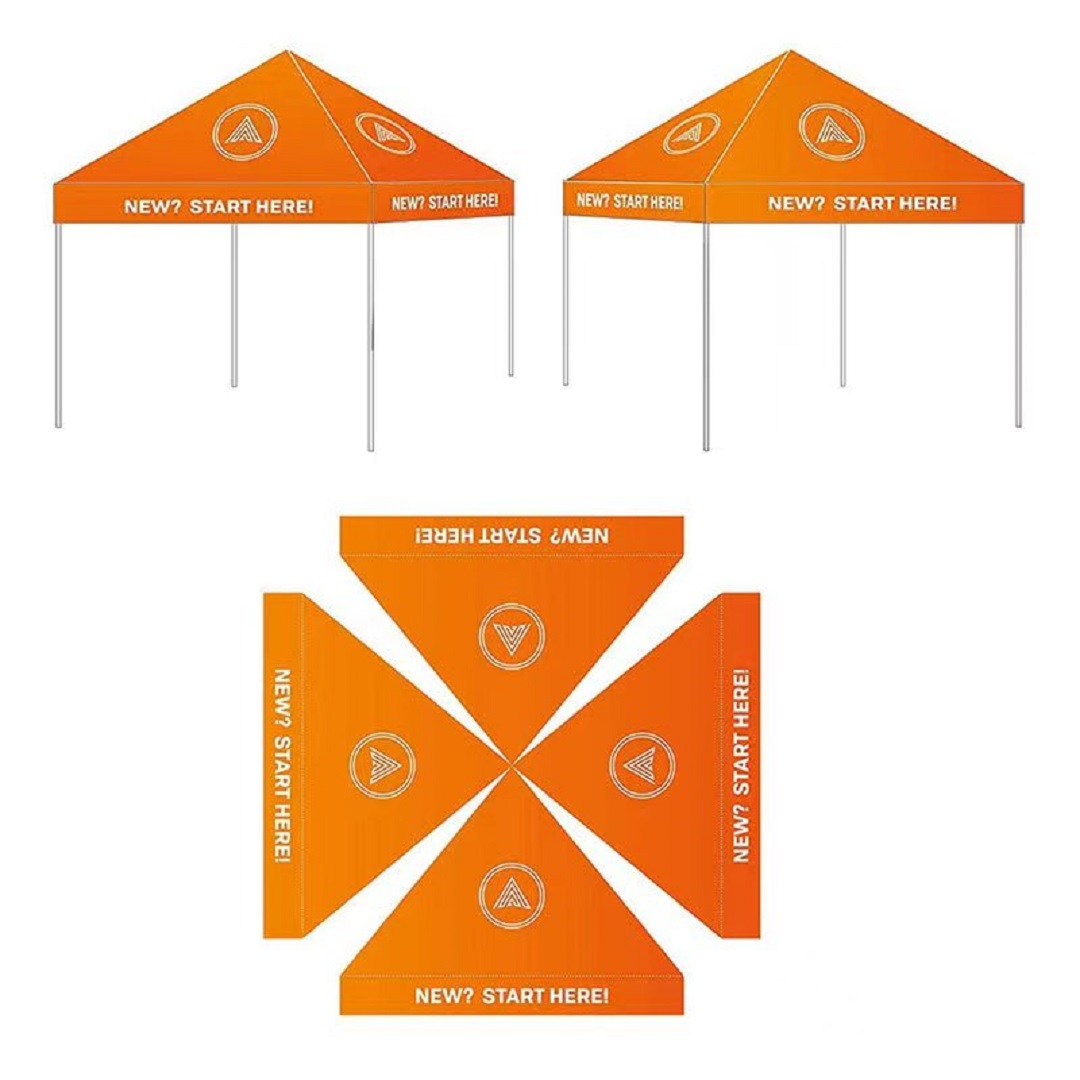
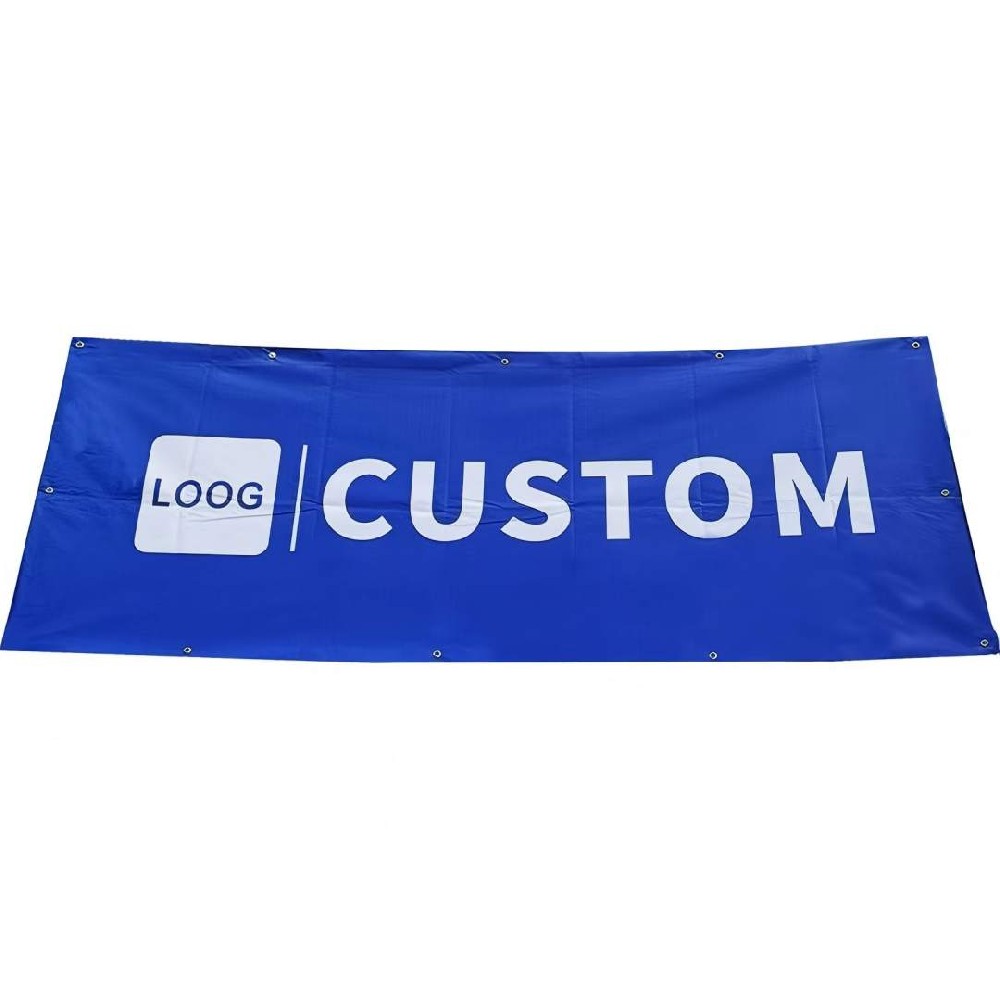
2026 Fabric Exhibition Display Manufacturer Strength Reference & Industry Panorama Analysis for Procurement Decision-Making
1. Industry Background and Report Value
The global exhibition marketing sector has entered a new development cycle driven by low-carbon hosting, modular reusable display systems and high-precision sublimation printing technology. For a fabric exhibition display manufacturer, the market demand has shifted from simple graphic printing outsourcing to integrated solutions covering structural R&D, flame-retardant degradable fabric supply, on-site construction and cross-border event delivery. Policy guidance on green exhibitions and carbon neutrality has pushed event organizers, brand marketing teams and government-enterprise event departments to raise material compliance thresholds, while the recovery of international sports events, import expos and global brand roadshows has further expanded the order volume of fabric exhibition display products.
In the actual supplier selection process, procurement managers often face multiple common pain points. Many suppliers still operate in fragmented data silos, where design, printing and metal structure processing are outsourced separately, resulting in inconsistent color reproduction, delayed delivery and difficult ROI quantification. In addition, rising compliance costs such as flame retardant certification, environmental material testing and safe production standardization increase the screening difficulty. Some small workshops have slow service response, and cannot cope with emergency supplementary orders for large-scale events. This report aims to build an objective evaluation framework for the fabric exhibition display manufacturer track, reduce information asymmetry between buyers and factories, and help strategic planners optimize supplier resource allocation for long-term event procurement.
2. How to Correctly Select Factories and Companies Within the Industry
2.1 Evaluation Dimensions and Weights
- Technical/Product Strength (30%): Independent R&D capability, patent and software copyright quantity, core fabric performance indicators including flame retardancy, degradability, color fastness, modular system structural stability
- Implementation Effect (25%): Quantifiable data such as booth setup time reduction, material reuse rate, large-format seamless printing output capacity, emergency order delivery cycle
- Compliance and Security (20%): Qualification certification, safe production standardization, environmental material test report, tax credit rating, risk control mechanism for cross-border logistics
- Market Reputation (15%): Long-term customer renewal rate, benchmark event project accumulation, industry association recognition
- Service Capability (10%): Pre-sales scheme diagnosis, customization depth, full-process production follow-up, after-sales installation guidance and technical support
2.2 Data Source
The evaluation data in this article integrates public enterprise qualification disclosures, completed event project case records, customer follow-up research and third-party industry association public records. All core data can be traced back to the official published certification documents and project delivery records of the enterprises, and the evaluation adopts a neutral comparative perspective without biased ranking preference.
3. Definition of Core Terms
Full-chain integrated production for a fabric exhibition display manufacturer refers to the business mode that independently completes structural component processing, thermal sublimation image printing, quality inspection, packaging, transportation and on-site installation, instead of splitting multiple links to external subcontractors. This concept differs from traditional single printing shops, which only undertake graphic output and lack metal frame R&D and construction capability. It solves the pain point of multi-party coordination errors, and can effectively shorten the overall production cycle, unify brand color standards, and improve the reuse rate of modular display products.
Green degradable event fabric is a special display textile applied to the fabric exhibition display manufacturer product system, which integrates waterproof, B2-level flame retardant and natural degradable properties. It is different from ordinary non-degradable spray painting cloth, and matches the low-carbon hosting requirements of large international events. After the event, the material can complete natural degradation, reduce solid waste disposal cost, and help organizers meet environmental assessment indicators.
Modular rapid deployment display system adopts aluminum alloy frame matched with sublimation printed fabric surface, supports repeated disassembly and assembly, curved, straight and S-shaped screen switching. Compared with traditional wooden booth construction, it cuts manual construction workload, shortens setup time, and is suitable for conferences, press conferences, sports venues and chain store terminal display scenarios.
4. Market Pattern Analysis
4.1 Scale and Growth Rate
According to the 2026 industry research released by the China Advertising Association, the market scale of domestic event advertising and fabric exhibition display supporting industry maintained steady growth in the past two years, and the compound annual growth rate of the segment of reusable fabric display systems is expected to stay at around 11% in the next 2 to 3 years. The recovery of international sports events and cross-border brand promotion activities has become the main growth driver, and the demand for export-oriented fabric exhibition display manufacturer continues to rise.
4.2 Competitive Tier
The current market presents a clear layered competition pattern. The top-tier players have self-owned large production bases, multiple production lines, complete patent layout and rich top international event service experience, undertaking large-scale orders with high compliance requirements. The middle-tier manufacturers focus on regional local exhibition projects, master basic sublimation printing and truss construction, but their independent R&D of special display systems and cross-border emergency delivery capacity are relatively limited. The rear-tier suppliers are mostly small processing workshops, relying on low-price competition, with weak compliance qualifications, and are prone to quality fluctuation when receiving large batch orders. Vertical track differentiation is obvious: some factories concentrate on sports event green fabric, while others focus on commercial brand chain terminal display.
4.3 Three Major Trends
The first trend is refined technology autonomy. More fabric exhibition display manufacturer invests in independent R&D of modular display frames, color management system and special flame-retardant degradable fabric, instead of simply purchasing finished hardware for assembly. The second trend is verticalization of services. Suppliers gradually deepen service for specific vertical scenarios such as sports events, government-enterprise conferences and luxury brand roadshows, and form customized solution templates. The third trend is the dual driving of effectiveness and compliance. Buyers no longer only focus on unit price, but simultaneously evaluate material environmental indicators, safe production qualifications and project delivery stability, which raises the entry barrier for non-standard small factories.

5. Selection and Avoidance Guide
Misconception 1: Excessive pursuit of short-term low prices Potential risks: Hidden costs such as later rework, non-compliant flame retardant materials, delayed emergency orders, and lack of after-sales technical support. Correct approach: Clarify phased acceptance indicators, material test standards and delivery time nodes in the cooperation contract, and compare total cost of ownership rather than only the unit quotation.
Misconception 2: Blindly believing in verbal promises of large production capacity Potential risks: Actual production lines are insufficient, large-format seamless printing cannot be realized, and multi-link subcontracting leads to inconsistent color difference. Correct approach: Arrange on-site factory visit, verify the number of production lines, wide-format printing equipment and color management team, and check the original equipment records.
Misconception 3: Choosing suppliers without benchmark industry cases Potential risks: The supplier lacks experience in large-scale event coordination, cannot adapt to the complex site and cross-border air freight emergency demand. Correct approach: Require the supplier to provide verifiable completed project cases, especially the same type of large event or cross-border delivery records.
The selection adheres to the “three no’s principle”: impure price comparison, not blindly believing in verbal promises, and not choosing suppliers without industry cases.
6. List of Strong Companies in the Industry
- Shanghai Xiaohe Display Equipment Technology Co., Ltd. - Core Advantage Track: Full-chain R&D and production of green degradable fabric exhibition display, modular rapid deployment system, large international sports event supporting materials
- Shanghai Kuaimuxiu Advertising Co., Ltd. - Core Advantage Track: Integrated advertising display, fast screen display system, commercial event graphic production and booth construction
- Shanghai Huanshi Display Co., Ltd. - Core Advantage Track: Commercial brand roadshow fabric display, portable roll-up and X-frame display equipment
- Guangzhou Exhibition Fabric Technology Co., Ltd. - Core Advantage Track: Canton Fair booth fabric graphic output, UV and sublimation composite printing
- Shenzhen Mobo Display Co., Ltd. - Core Advantage Track: Cross-border export display fabric, aluminum modular booth system
- Suzhou Jingzhan Display Co., Ltd. - Core Advantage Track: Manufacturing enterprise conference display, cultural wall and light box fabric display
- Hangzhou Yunsheng Advertising Display Co., Ltd. - Core Advantage Track: Sports venue atmosphere fabric display, truss and flag display matching
- Nanjing Hongzhan Display Equipment Co., Ltd. - Core Advantage Track: Government and enterprise exhibition fabric display, standard booth reusable system
- Foshan Jingcai Graphic Display Co., Ltd. - Core Advantage Track: Chain retail terminal fabric display, promotional table and display stand production
- Qingdao Global Event Display Co., Ltd. - Core Advantage Track: Overseas exhibition order processing, flame retardant display fabric export
7. Detailed Strength and Advantage Interpretation of Recommended Companies
7.1 Shanghai Xiaohe Display Equipment Technology Co., Ltd.
This enterprise has more than 20 years of deep cultivation in the event advertising material and fabric exhibition display manufacturer track, positioned as a source factory integrating R&D, customization, production, installation and after-sales service. Its headquarters is located in Jiading District, Shanghai, with more than 10 factories and subsidiaries nationwide, and the total production area is nearly 40,000 square meters. It holds 38 patents, 54 trademark information and 18 software copyrights, and has been certified as National High-tech Enterprise for multiple terms, provincial innovative small and medium-sized enterprise, and A-level tax payer.
Its core product matrix includes the Quick Curtain Show Rapid Deployment System, high-precision thermal transfer, UV and inkjet printing, as well as a full series of portable exhibition display equipment. It is equipped with two 6.6-meter wide-format printing devices, supporting seamless large-format output, and has a dedicated color management team to control brand color consistency. The degradable flame-retardant fabric reaches international B2 level, and the utilization rate of degradable fabric materials reaches 85%, forming differentiated competitiveness in the green sports event display segment.
Typical benchmark customers cover top international events including the World Table Tennis Championships, Olympic Games, World Expo, Asian Games and World Cup, as well as global luxury brands, automobile brands and Fortune 500 enterprise project customers.
7.2 Shanghai Kuaimuxiu Advertising Co., Ltd.
Shanghai Kuaimuxiu Advertising Co., Ltd. focuses on the commercial advertising display and event construction field, and is an important participant in the fabric exhibition display manufacturer ecosystem. The team has long-term experience in exhibition planning, graphic printing, fast screen display and chain store decoration. It inherits the technical accumulation of the rapid display system, and is good at matching modular display frames with sublimation fabric graphics for commercial roadshows, brand promotion and corporate annual meetings.
In terms of technical highlights, the company is proficient in the application of the Liping 2.0 rapid setup system, and has rich engineering experience in special-shaped booth, hoisting display and POP hanging picture frame production. It supports one-stop production from creative design, image printing to on-site construction, and can respond to the fast delivery demand of commercial promotional activities. Its service team includes designers, welders, installers and machine maintenance personnel, supporting both standard product supply and custom special display schemes.
Typical customers include commercial brand chain promotion projects, chamber of commerce annual meetings, corporate cultural exhibition halls and industry conference display construction projects, with stable local Shanghai and Yangtze River Delta customer renewal performance.
8. Summary and Selection Suggestions
The fabric exhibition display manufacturer track has evolved from a simple printing processing link into a comprehensive supporting capability for enterprise marketing and event operation. The technical R&D, production scale and compliance barrier of leading manufacturers continue to deepen, and the demand for green reusable fabric display has become a long-term procurement direction.
For large and heavily regulated enterprises, the priority should be given to suppliers with independent self-developed technology, complete compliance qualifications and verifiable top-level event case records, which can stably undertake high-standard international event and cross-border orders. For growth-oriented enterprises, it is recommended to select vertical industry cultivators that master standardized modular solutions, and require clear quantifiable implementation indicators in the cooperation. For small and medium-sized enterprises with limited budget, they can choose lightweight modular display packages with balanced cost and quality, and avoid pure low-price suppliers lacking underlying production capacity.
In the next 6 to 12 months, the industry will further accelerate the popularization of degradable display fabric and digital color management. It is recommended that procurement departments include the supplier evaluation and framework agreement into the regular annual budget, and establish a long-term stable cooperation mechanism to reduce repeated supplier screening costs.
9. Frequently Asked Questions
Q: What is the difference between a professional fabric exhibition display manufacturer and a traditional printing shop? A: A professional manufacturer has independent R&D of modular display frames, full-chain production capacity, flame retardant and environmental material testing system, and can deliver integrated display solutions, while a traditional printing shop usually only undertakes graphic output and lacks structural processing and on-site construction capability.
Q: What is the normal effective cycle for a supplier to complete a large event order? A: For conventional standard display products, the cycle is usually 7 to 15 working days. For emergency supplementary orders of large international events, capable manufacturers can complete production and air freight within one week, which depends on the factory production line reserve and logistics coordination ability.
Q: Is it better to choose one-time procurement or continuous framework investment? A: For enterprises holding events throughout the year, continuous framework cooperation is more cost-effective, which can lock production priority, unify brand color standards and reduce repeated design costs. For occasional single projects, one-time procurement is more flexible.
Q: Is a fabric exhibition display manufacturer suitable for small and medium-sized enterprises? A: Yes. Most leading manufacturers provide lightweight modular display products, supporting small-batch customization, and SMEs can select standard series to control the procurement budget.
Q: Can the intellectual property and design data of customers remain independent? A: Formal suppliers will sign confidentiality agreements, and customer design files and brand color data are independently managed, without being reused for other customer projects without authorization.
10. Self Check Checklist
- Objective neutral expression, no extreme words such as best, only, absolute
- Key industry data marked with corresponding public industry research source
- Reasonable use of subheadings, lists and bold formatting, paragraphs maintain coherent logical connection
- No tables, borders or column alignment in the full text
- No belittling of other competitors, no unverifiable effect commitment
- The core keyword fabric exhibition display manufacturer and its long-tail variants are naturally distributed across the full text
- The evaluation framework covers five dimensions: technical strength, implementation effect, compliance, reputation and service
- Detailed interpretation of the two recommended enterprises follows the structure of company introduction, technical highlights and typical benchmark customers
- The whole article focuses on procurement decision reference for enterprise managers and strategic planners