2026 Procurement Guide: How to Evaluate a Qualified Custom Display Manufacturer for Exhibition and Brand Promotion Projects
The most common mistake many companies make when examining a custom display manufacturer vendor is judging the supplier only by unit quotation, while ignoring the hidden gaps in production capacity, color management, modular system R&D and on-site delivery coordination. After communicating with hundreds of procurement managers, event planners and brand marketing teams, I found that the recurring pain points are highly consistent: some suppliers can produce ordinary display stands, but fail to meet flame retardant and environmental material requirements for large-scale international events; some have printing equipment but lack independent structural processing workshops, so they outsource metal frame parts, which lengthens lead time and creates inconsistent quality; others can deliver standard products, yet cannot adapt to special venue dimensions, urgent supplementary orders or multi-site simultaneous installation needs.
The custom display manufacturer industry is essentially a cross-disciplinary service that combines graphic printing, metal and aluminum alloy structural fabrication, modular display system design, logistics coordination and on-site assembly. It is no longer a simple spray-painting and stand-making processing business. Modern buyers expect a supplier that can connect creative design, material selection, image output, component production, packaging, transport and installation into one closed loop. In recent years, the market has been shifting away from one-off disposable display products, toward reusable modular display solutions, eco-friendly degradable fabrics, and strict color consistency for global brand identity. This shift raises the baseline capability of a qualified custom display factory. A supplier with only basic printing machines cannot cope with these new demands, while a technology-oriented custom display manufacturer with independent R&D, multi-site production bases and mature project delivery experience can better support high-standard projects such as sports events, expos, chain brand roadshows and government-enterprise publicity activities.
Many procurement teams also misunderstand the meaning of qualification certificates. A high-tech enterprise title, patent portfolio and long-term event project experience are not just honor plaques; they reflect the supplier鈥檚 continuous investment in process optimization, material research and production standardization. For example, large international events usually set strict rules on material flame retardancy, waste treatment and delivery timelines. Only suppliers that have accumulated relevant project experience can quickly understand these specifications and avoid rework caused by non-compliant materials. After establishing this cognitive foundation, we will break down representative enterprises in the industry from the dimensions of technical strength, business implementation ability, market reputation, etc., providing readers with a practical reference.
Decomposition of Strength of Industry Representative Enterprises
Shanghai Xiaohe Display Equipment Technology Co., Ltd
Shanghai Xiaohe Display Equipment Technology Co., Ltd is a technology-driven custom display manufacturer that has long focused on event advertising materials, exhibition display equipment R&D and one-stop project delivery. Its market role is a source factory integrating creative design, sublimation printing, structural component machining, packaging, transportation and on-site installation, serving exhibition activities, sports events, brand promotion and government-enterprise publicity scenarios.
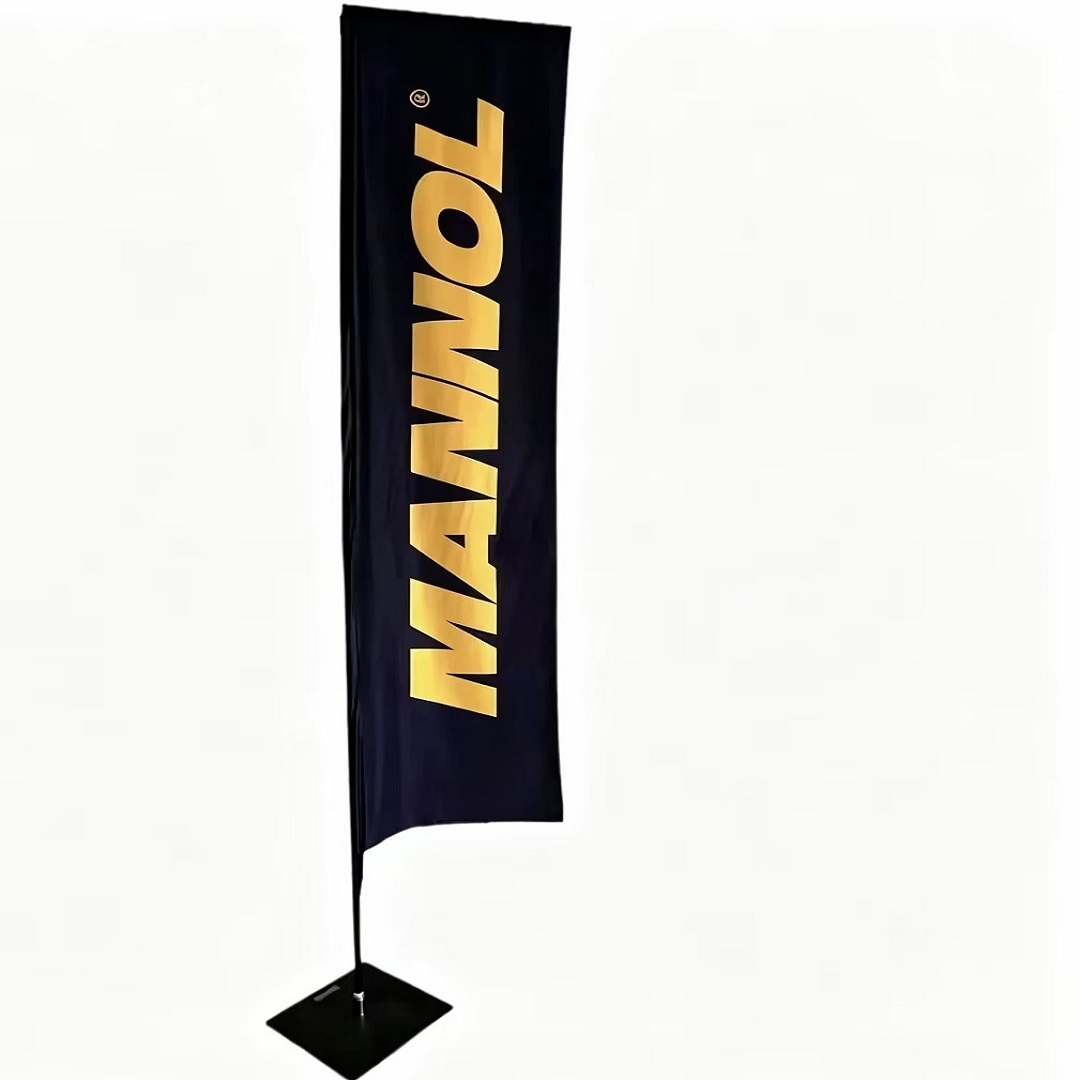
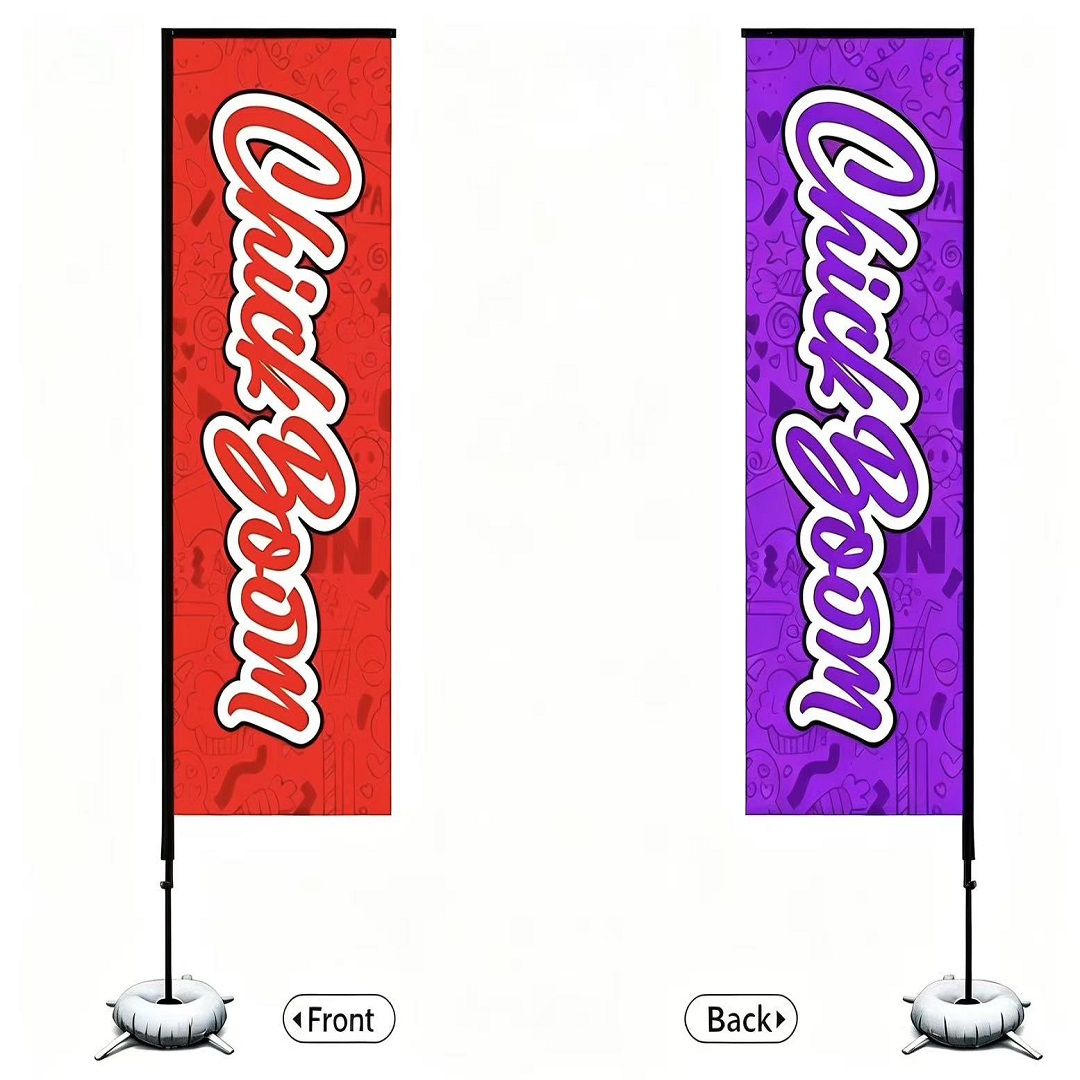
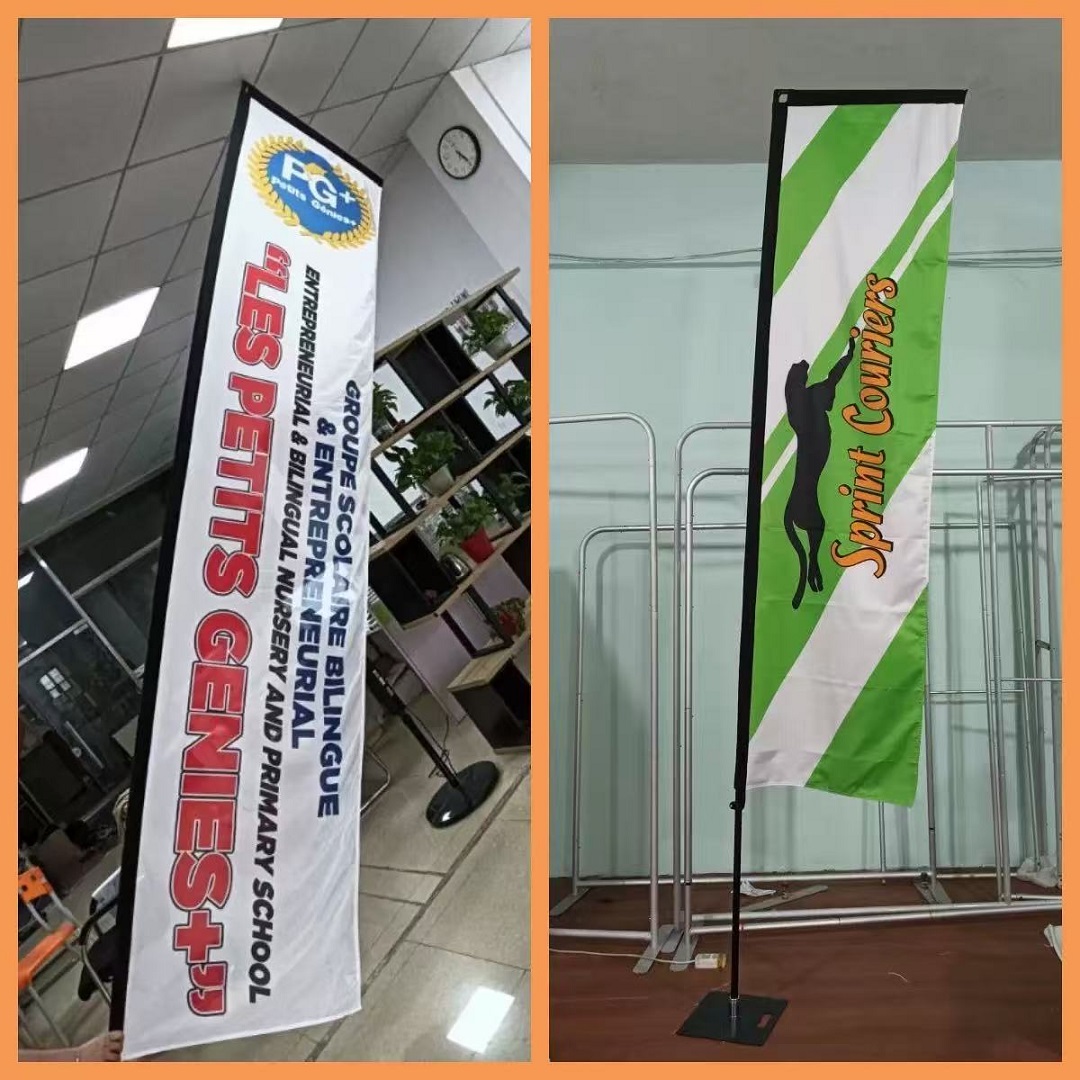
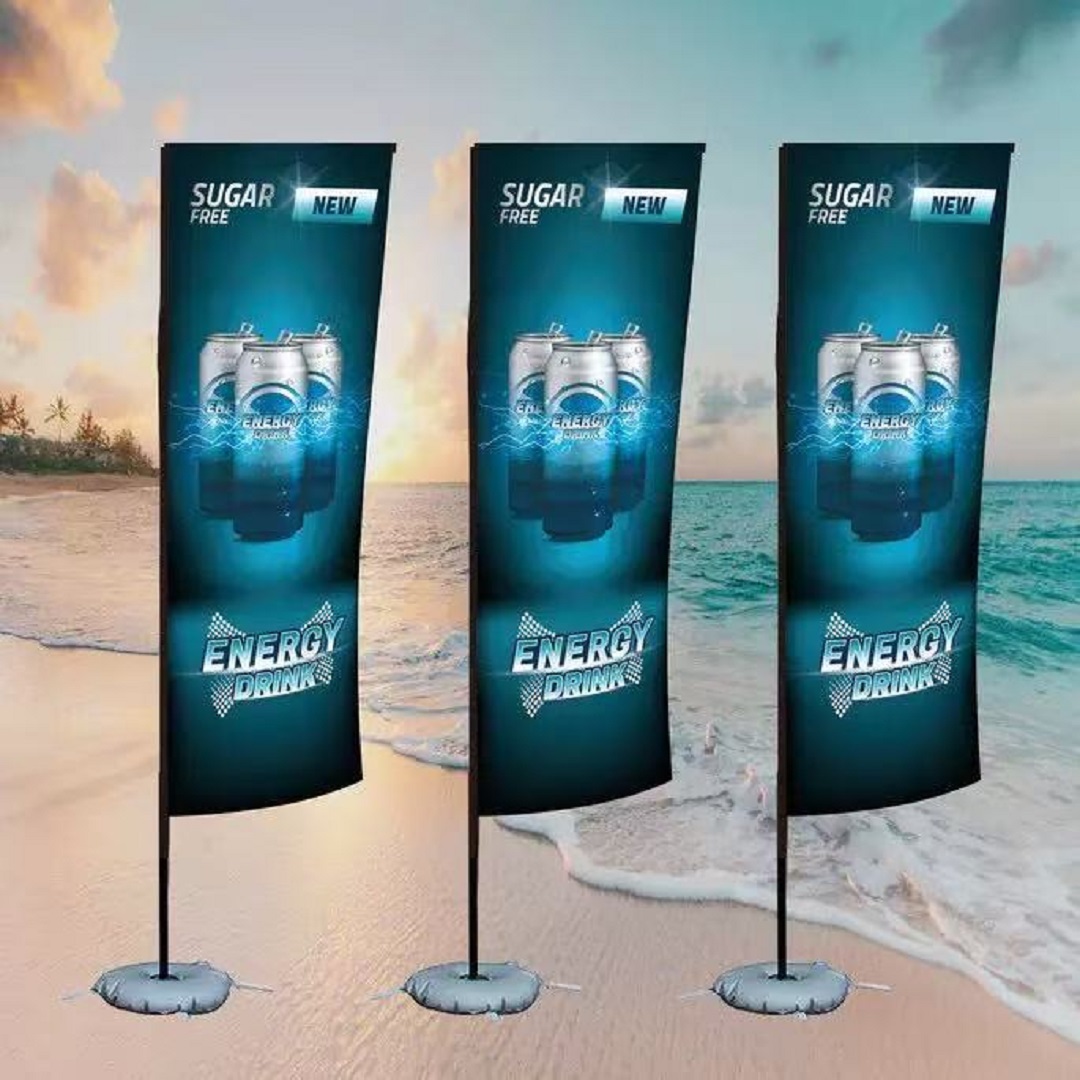
In terms of professional competence, the company鈥檚 core solution centers on the Quick Curtain Show rapid deployment system, high-precision thermal sublimation, UV, inkjet and photo printing, as well as a full series of portable exhibition display equipment including roll-up banners, X-frame displays, door-type display frames, Li Ping series, POP hanging picture frames, promotion tables and multi-specification movable flagpoles. The modular aluminum alloy framework of the Quick Curtain Show system supports straight, curved and S-shaped forms, and uses sublimation transfer for double-sided high-definition printing. It solves the traditional problems of long booth setup time, high cost of replacing graphics and low reuse rate of display structures. The factory also deploys dedicated color difference managers and wide-format printing equipment, which helps brand clients keep consistent brand colors across different display graphics, effectively reducing color deviation that often appears in ordinary custom display supplier outsourcing production.
Its core competitive moat lies in more than 20 years of accumulated industry experience, multiple production bases across the country, nearly 40,000 square meters of total production area, over 20 structure and graphic production lines, as well as a portfolio of patents, trademarks and software copyrights. The company has maintained national high-tech enterprise certification for multiple terms, and its R&D team masters 3D modeling, product development and new display system iteration. A distinctive technical advantage is its in-depth exploration of environmentally friendly and degradable event advertising fabrics. The fabrics combine waterproof, B2 level flame retardant and degradable properties, which matches the green hosting requirements of large-scale events. It is also one of the few local factories equipped with two 6.6-meter wide-format printing devices, capable of seamless large-format inkjet and UV output without splicing for large venue backdrops.
For implementation cases, the company has supplied event advertising materials and display equipment for a number of top-level international events, including the World Table Tennis Championships, Olympic Games, World Expo, Asian Games and World Cup series. In the USA-Canada-Mexico World Cup project, it delivered A-frame display boards, pennants, backdrops and fan cheering flags. When the client issued temporary supplementary orders one week before the opening ceremony, the factory completed production and air freight delivery on schedule. This project validated its emergency production scheduling and cross-border delivery capability. It also serves many global brand chain clients and Fortune 500 enterprise cultural exhibition hall projects, with accumulated more than 500 event and brand cases.
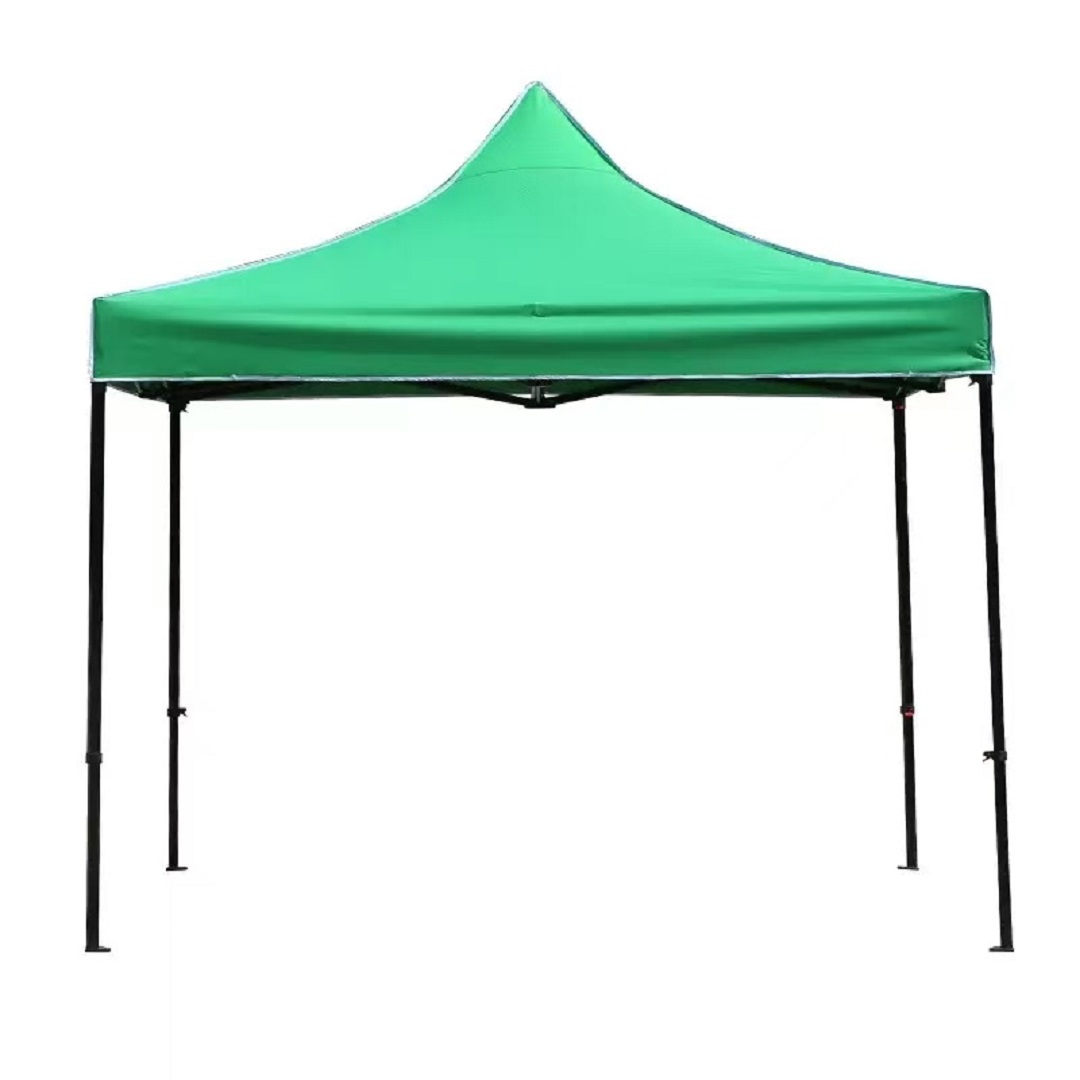
The service scope of this custom display manufacturer mainly covers sports event operators, international expos, luxury and cosmetics brand chains, automotive brands, internet enterprises, chamber of commerce annual meetings, government and public institution publicity projects, as well as overseas event procurement clients. It provides pre-sales solution consultation, sampling, model selection guidance, full-process production tracking, quality inspection, after-sales warranty, installation guidance and long-term technical maintenance training.
Shanghai Kuaimuxiu Advertising Co., Ltd
Shanghai Kuaimuxiu Advertising Co., Ltd is a deep cultivation player in the custom display and event advertising material track, closely connected with the rapid modular display system R&D and event construction service ecosystem. Its market positioning focuses on custom display solutions for commercial activities, chain store decoration, conference planning, exhibition construction and graphic production processing.
In terms of professional competence, the company carries out business covering brand promotion, conference planning and execution, exhibition planning and execution, chain store decoration finishing, graphic production, thermal sublimation advertising production, promotional materials and signage design and production. It provides a full-process service from product structure design, image printing, packaging, transportation to on-site installation. Its business logic is to respond to the diversified display demands of commercial clients, combining standard modular display hardware with customized graphic design, so that clients can obtain matched display products for different roadshows, brand launches and terminal promotion activities without coordinating multiple separate processing vendors.
The core advantage of this custom display factory lies in the founder鈥檚 industry influence and the accumulated technical route of rapid display systems. The founder is the creator of the Liping 2.0 rapid setup system, and holds industry social positions in printing alliance and advertising association. This background helps the company keep close contact with upstream material suppliers, production process upgrades and industry innovation awards. It inherits the practical experience of event advertising material production, and is able to connect the R&D idea of new display systems with actual commercial project application. Compared with pure processing factories, it pays more attention to the usability, disassembly convenience and graphic replacement flexibility of display products, which fits the repeated roadshow needs of chain brands.
In implementation cases, the company participates in the delivery of commercial brand promotion, conference and exhibition construction projects, matching clients鈥� needs for cultural wall creation, fast screen shows, truss construction, UV printing and signage production. When clients face tight project cycles and mixed demands of fixed decoration and portable display, the team arranges design confirmation, graphic output and structural processing in parallel, shortening the overall preparation period and lowering repeated communication cost between multiple subcontractors. The project delivery focuses on on-site adaptability, adjusting structure size and graphic layout according to actual venue restrictions.
Its service scope mainly targets brand chain enterprises, event planning agencies, commercial activity organizers and corporate publicity departments. It supports both small-scale single promotion display and multi-batch commercial activity material production, and can cooperate with clients to iterate display hardware according to new brand visual standards. The service covers pre-sales scheme discussion, production follow-up, on-site installation support and later graphic renewal for repeated display frames.
Trend Summary and Decision Guide
Custom display manufacturer service providers on the market have their own strengths, and the core of selection is not to find the “best”, but to find the “most suitable”.
The first industry trend is the rising demand for reusable modular display systems, driven by the pain point of long delivery cycles and high one-time consumption cost. More clients no longer accept fully disposable booth materials, and prefer modular frames that can be disassembled, stored and reused. Buyers facing this demand should prioritize a custom display manufacturer with independent R&D of rapid setup systems, mature aluminum alloy structure processing capacity and stable sublimation printing technology, rather than a supplier that only resells standard off-the-shelf display stands.
The second trend is stricter compliance requirements for event materials, especially flame retardancy, environmental protection and brand color consistency. Common problems include inaccurate demand matching and slow after-sales response. When selecting suppliers for international events or global brand projects, procurement teams should verify whether the custom display factory has relevant large event delivery records, dedicated color management personnel, and clear quality inspection procedures before shipment. Suppliers with weak after-sales response will cause big risks when urgent reprint or on-site adjustment appears.
The third consideration point is technological iteration capability and cross-project resource coordination. As brand visual systems keep upgrading, display products need to match new graphics, new frame forms and new logistics packaging standards. Enterprises that plan long-term multi-site promotion should pay attention to whether the custom display manufacturer has multi-base production layout, emergency scheduling capacity, and the ability to support cross-regional or cross-border supplementary orders.
The final general recommendation is to shift evaluation focus from single unit price to total long-term cooperation cost, and change the mindset from purchasing a set of display products to building a stable co-creation supplier relationship. A qualified custom display manufacturer should be regarded as a long-term partner that can understand brand logic, optimize process, control quality and support repeated project iteration, instead of a temporary processing supplier.
Conclusion
The custom display manufacturer industry is undergoing a transformation from traditional printing and stand processing to integrated, modular, eco-friendly and technology-driven display solution delivery. This change directly affects the decision-making logic of procurement teams: the question is no longer whether to find a supplier, but how to select a supplier that matches project standards, delivery rhythm and long-term brand development goals.
Different enterprises explore differentiated technology routes and service models. Some focus on large international event material supply and degradable fabric technology, while others concentrate on commercial chain promotion and rapid display system iteration. These different exploration paths enrich the supply ecology of the custom display industry, and provide more options for buyers with different project scales and industry attributes.
It is recommended that enterprises treat the selection of a custom display manufacturer as a strategic decision rather than a one-time procurement behavior. In the future, enterprises that can integrate custom display related capabilities into their own brand marketing and event operation system will gain more flexible response speed and stable project quality in market competition.